Explore Lush Rainforests and Active Volcanoes with Local Expert Guides
Book the best Hilo tours on Hawaii's Big Island. Discover Hawaii Volcanoes National Park, stunning Rainbow Falls, Akaka Falls, black sand beaches and lush rainforests with small-group or private excursions. Helicopter options, volcano hikes and waterfall swims available year-round. Secure your unforgettable Hilo adventure today!
Our best-selling Hilo tours chase thundering waterfalls in rain-soaked valleys, black sand beaches with sea turtles, active lava flows at night, and Volcanoes National Park craters still steaming.
The Big Island feels raw and alive in a way the other islands don’t, and this family-run tour from Hilo shows you why without the big-company feel. Your Native Hawaiian guide drives a spotless luxury van, sharing real stories and insider spots most visitors miss. You’ll stand at the edge of Hawaii Volcanoes National Park feeling the heat from recent lava flows, chase rainbows at towering waterfalls tucked in lush valleys, relax on black-sand beaches that look like another planet, and wander Hilo’s charming highlights – colorful markets, historic spots and that easy local vibe. Pride in every detail means comfortable pacing, clean rides and the kind of genuine aloha that turns a good day into memories you’ll talk about forever. Small groups, big heart – the real Big Island experience.
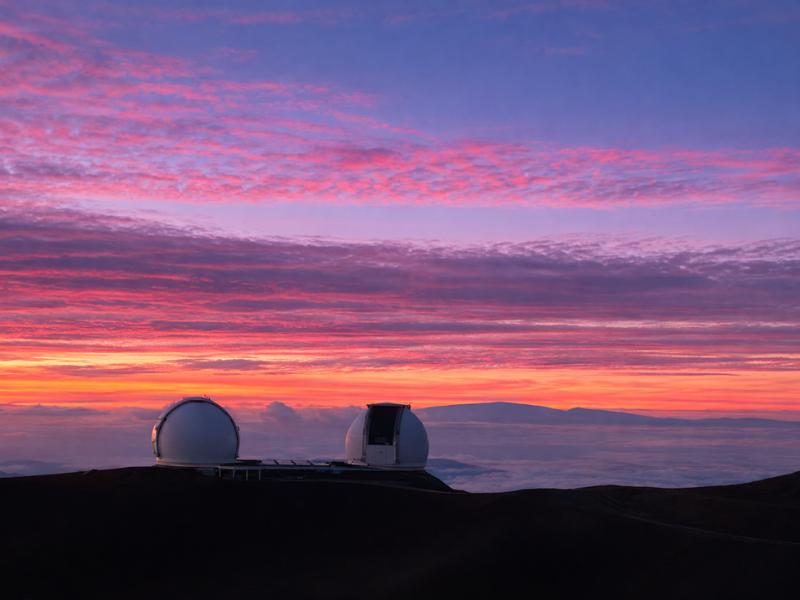
Mauna Kea’s summit feels like the top of the world – the highest point in the Pacific, where the sunset turns the sky into fire and the stars come out like you’ve never seen them. This evening adventure keeps you cozy with parkas, gloves and hot chocolate while your guide shares real Hawaiian stories about the Big Island’s sacred mountain. You’ll stand among the world’s biggest collection of research telescopes – including two that helped capture the first black hole photo – then get your own private star show through a professional telescope (weather permitting). The guide snaps pro photos of you against the epic backdrop and emails them afterward so the memories last. Pickup and drop-off from several spots make it easy – just an unforgettable night of sunset magic, crystal-clear stars and that quiet Arctic-like peace 14,000 feet up.
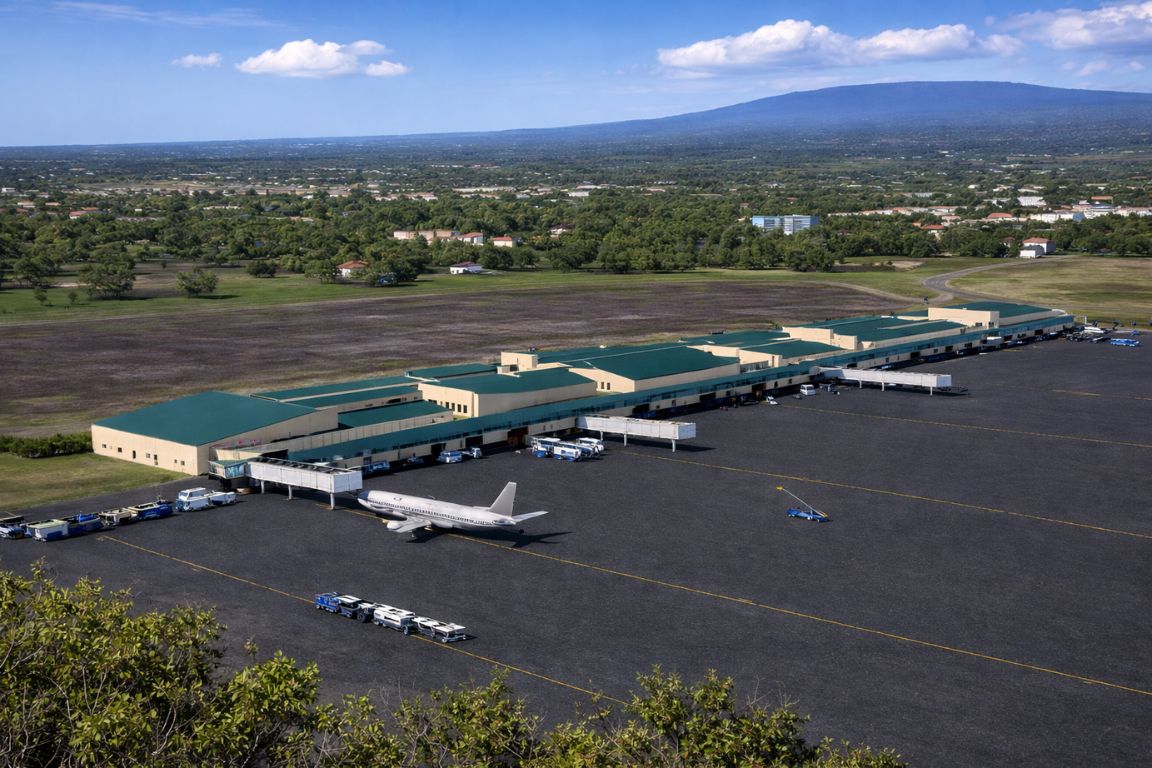
Hilo sits right next to some of the world’s most active volcanoes, and this family-run helicopter company – the island’s longest-running – gets you above it all in a way that feels personal and thrilling. You’ll meet your captain at Hilo Airport, get a quick safety briefing, then lift off into skies filled with rainbows and mist. From the air, the Big Island opens up: glowing lava flows snaking through black rock, massive craters in Hawaii Volcanoes National Park, cascading waterfalls hidden in lush valleys, and endless green orchid farms and rainforests stretching to the coast. Your captain doubles as guide, pointing out the spots and sharing real island stories while you take in views most people never see. Comfortable helicopters, small groups and that local ohana vibe make it the kind of aerial adventure that leaves you speechless – pure Big Island magic from above.
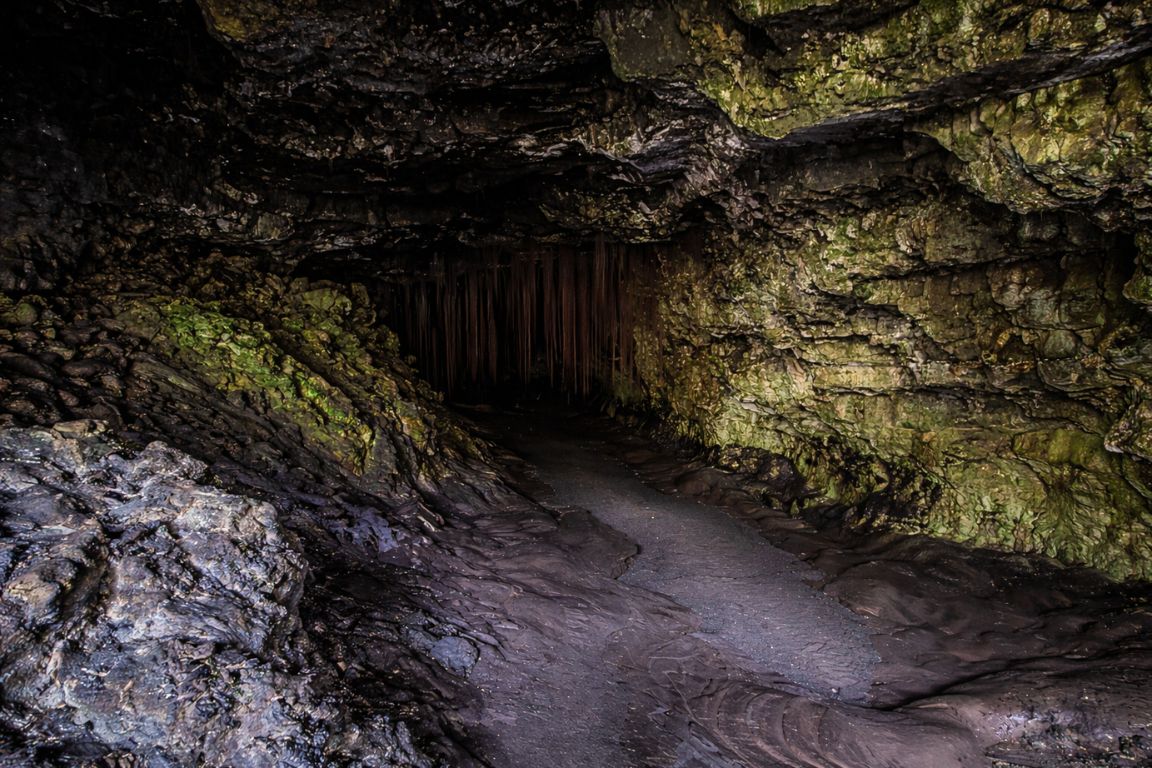
Our Hilo nature and beyond tours venture past the usual waterfalls into hidden black sand beaches, steaming lava tubes, Mauna Kea stargazing summits, and remote valleys with endemic birds and giant ferns.
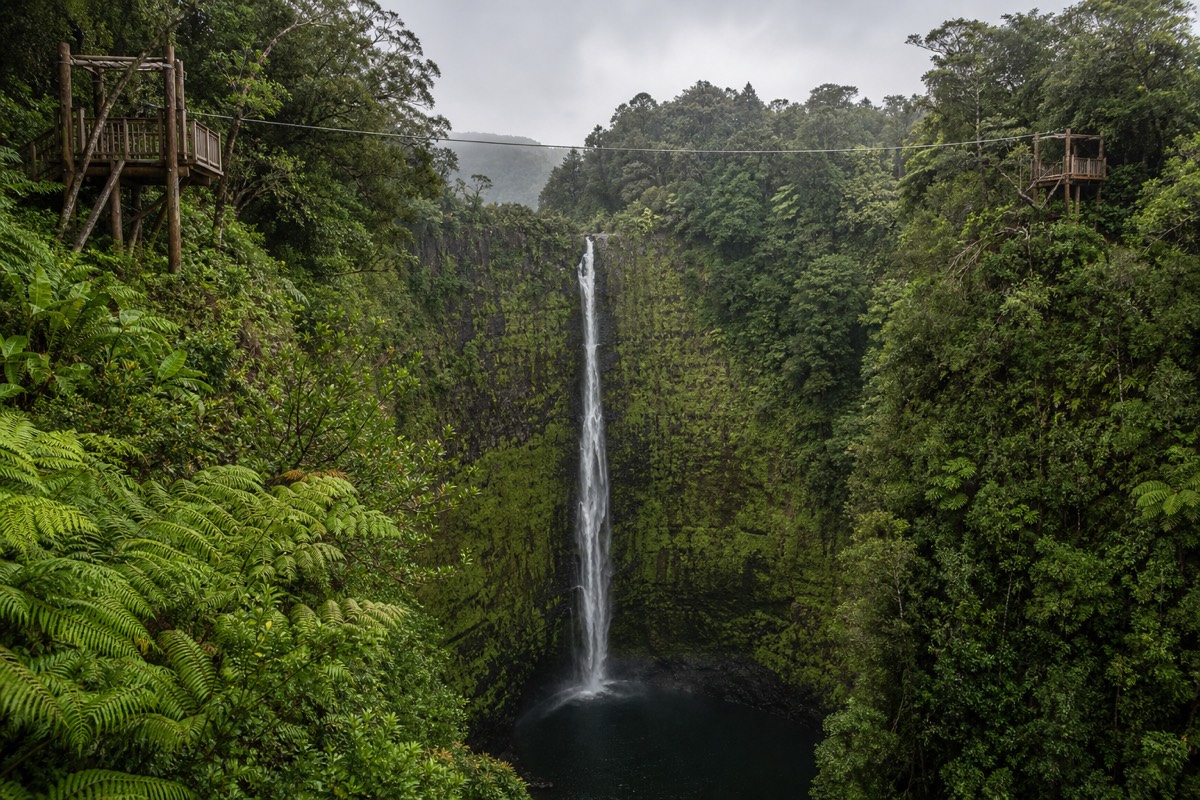
The Big Island’s Hamakua Coast feels like a tropical dream, and this all-inclusive day from Hilo dives right in. You’ll start at stunning ʻAkaka Falls State Park, where the 442-foot waterfall plunges into a lush green gorge surrounded by giant ferns and rainbow mist. Then it’s on to Hawaii Volcanoes National Park for up-close looks at dramatic craters, steam vents and recent lava flows that make you feel the island’s living power. The day wraps with Hilo’s highlights – colorful markets, historic spots and that easy local vibe. A locally owned family company runs it all, sharing real Hawaiian stories, language and spirit that turn beautiful scenery into something deeper. Available in English, Taiwanese, Mandarin and Japanese, with private options too. The kind of immersive Big Island day that mixes waterfalls, volcanoes and culture without feeling rushed.
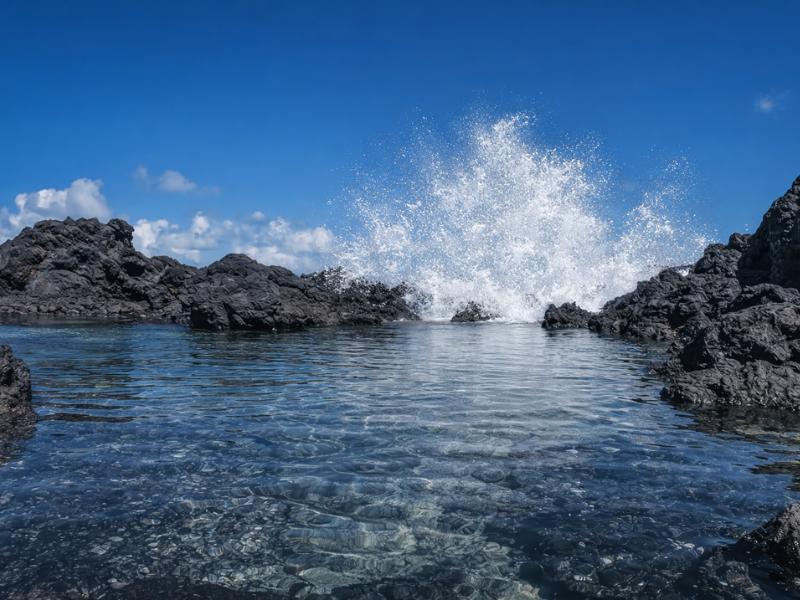
Kaimu’s black sand beach feels otherworldly – jet-black from recent lava meeting the ocean – and this short hike takes you to a hidden tide pool that looks like a natural aquarium. You’ll walk through jungle trails and boulder fields to reach crystal-clear water teeming with unique snails (opihi), brittle stars, spaghetti worms, pink coralline algae and seaweed clinging to cool rocks. Sea turtles often swim in the distance, adding to the magic. The rocky pool is perfect for a refreshing dip when conditions allow (almost always accessible for submerging), though it’s not for everyone – no ticks or mosquitoes, but the terrain isn’t ideal for disabilities or kids under 5. A peaceful, intimate spot that feels far from the crowds, with that raw Big Island beauty.
Kulaniapia Falls feels like your own secret slice of Hawaii – a 120-foot waterfall plunging into a clear pool, surrounded by lush bamboo gardens and quiet trails, all on a private reserve that limits guests to keep it peaceful. No lines, no crowds, just you and the sounds of water and birds. You can hike to four different waterfalls, wander the serene paths, or – when conditions are right – swim, kayak or paddleboard right under the big falls for that pure island magic. Open to just a handful of visitors each day, it’s the uncrowded Hawaiian adventure most people dream about but rarely find. Easy access from Hilo, perfect for a relaxed day immersed in real Big Island nature.
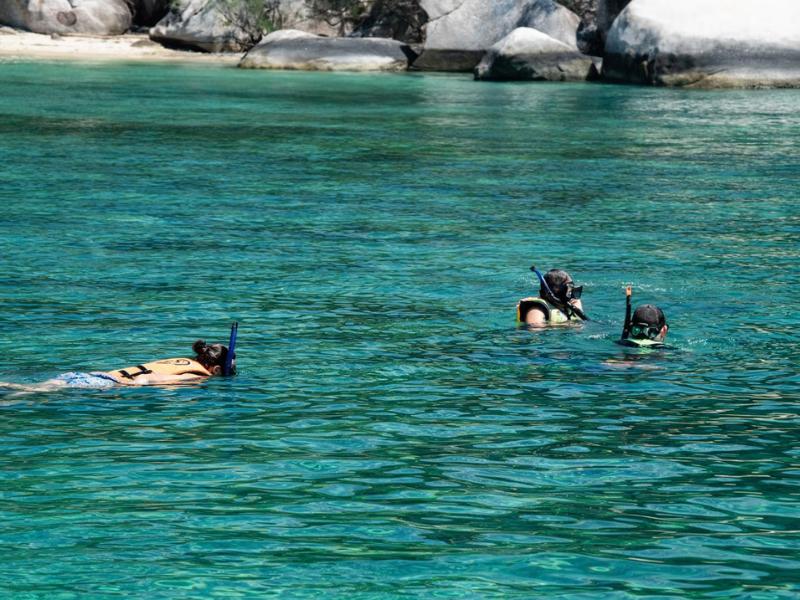
Hilo’s coastline hides some of the Big Island’s clearest bays, and this relaxed half-day tour takes you to two of the best without the crowds. You’ll start with a short nature walk where your guide shares cool facts about Maunakea’s lava tubes that feed cold freshwater into the ocean, shaping the land and local culture along the way. Easy stairs lead down to the first bay for about an hour of snorkeling – turtles often glide by while smaller fish dart around the reefs. Snacks on the beach recharge you before heading to the second spot, reached by a sandy path to a bay bursting with colorful coral and sea life (fewer turtles, more vibrant underwater gardens). Another hour in the water with your guide keeping watch, then a comfortable ride back. Gear included, small group – just a peaceful, guided way to see Hilo’s hidden marine world up close.
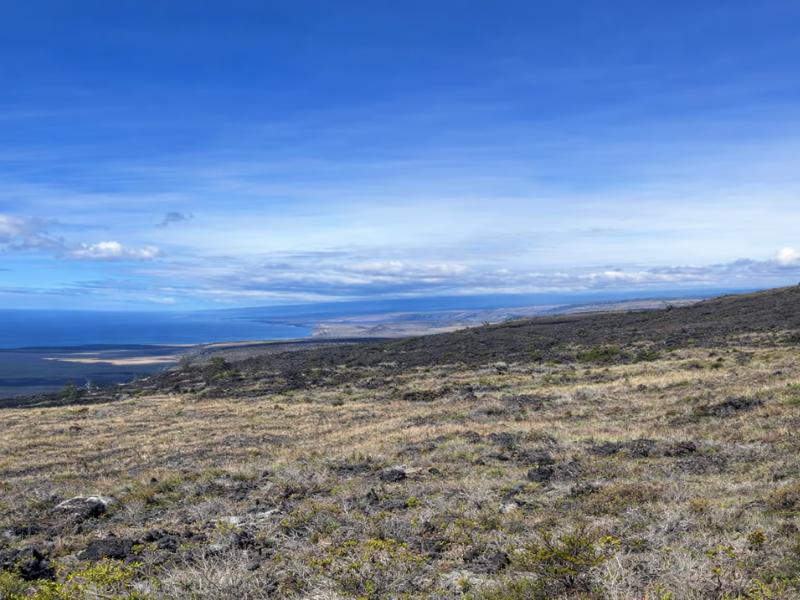
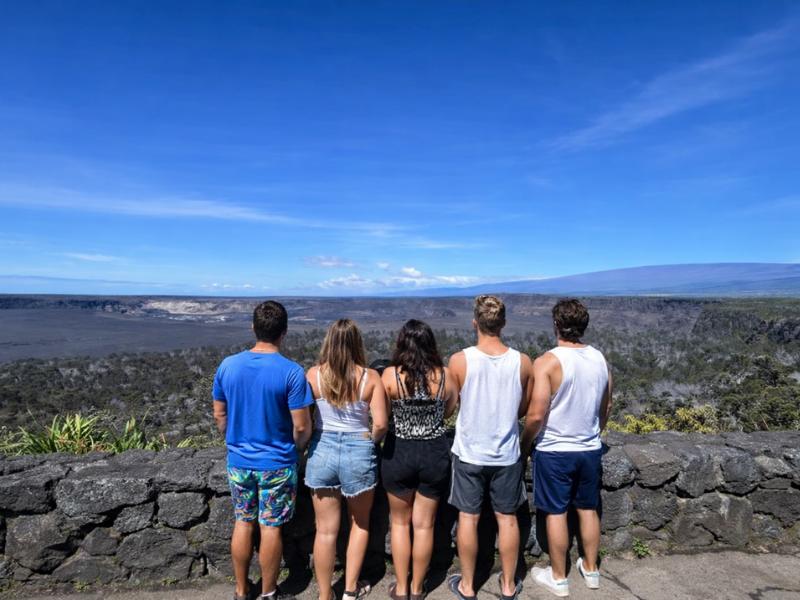
The 2018 eruption reshaped the Big Island, and this full-day tour puts you on the front lines. Hike the buried highway at Mackenzie State Recreation Area through pine forest to new black-sand cliffs. Drive past Fissure 8 at Isaac Hale Beach Park for a picnic lunch. Then Hawaii Volcanoes National Park: Kilauea Iki Overlook, 2-mile caldera hike past buckled roads and sinkholes, spotting native birds, to the edge of massive Halema’uma’u Crater. Expert guide shares the raw stories – a day that captures the island’s living volcanic power.
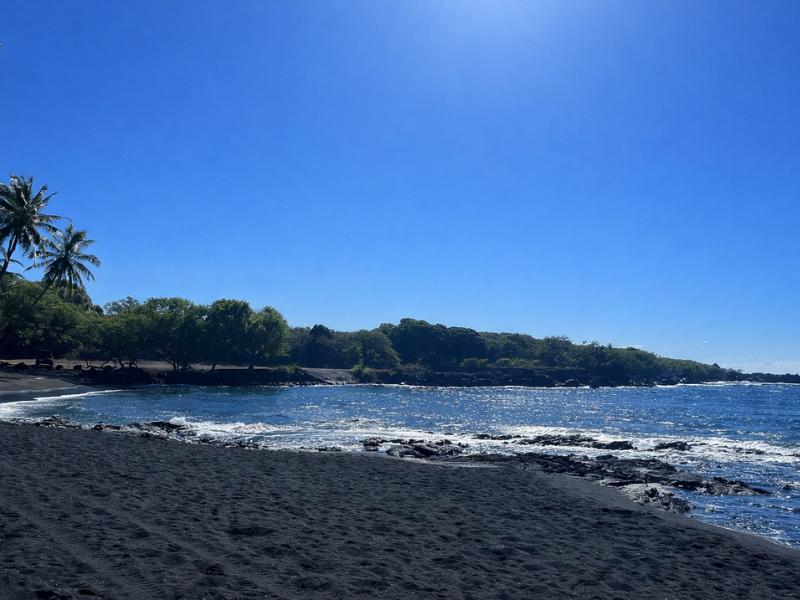
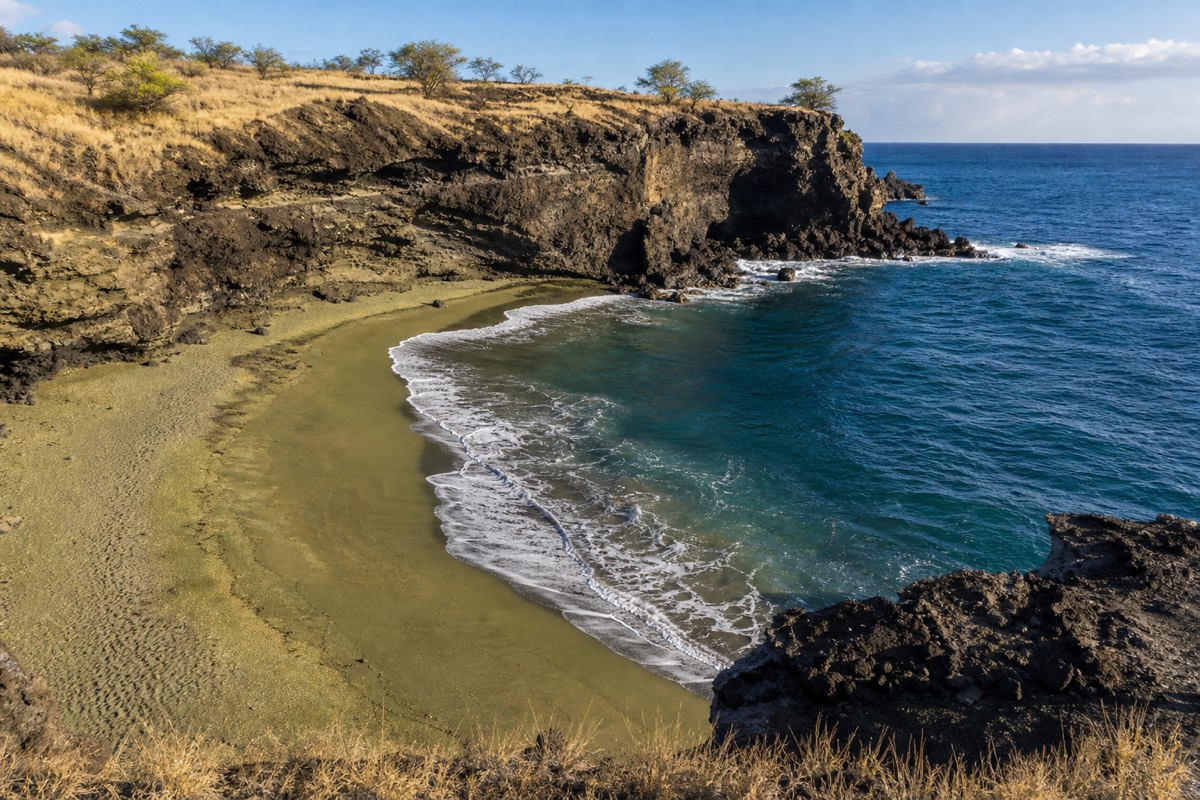
Punaluʻu’s jet-black sand beach feels like something from another planet – shiny volcanic grains where endangered green sea turtles (honu) often haul out to bask in the sun, completely unfazed by visitors. You’ll stroll the shoreline, dip toes in cool water, peek into tide pools full of little marine life, and just soak in one of Hawaii’s most striking natural wonders. This all-inclusive day bundles it with the best of the Big Island: dramatic lava landscapes in Hawaii Volcanoes National Park and Hilo’s charming highlights. A locally owned family company runs it, sharing real Hawaiian stories, language and spirit that turn beautiful scenery into something deeper. Available in English, Taiwanese, Mandarin and Japanese, with private options too. The kind of immersive day that mixes raw volcanic power, quiet beach magic and genuine aloha without feeling rushed.
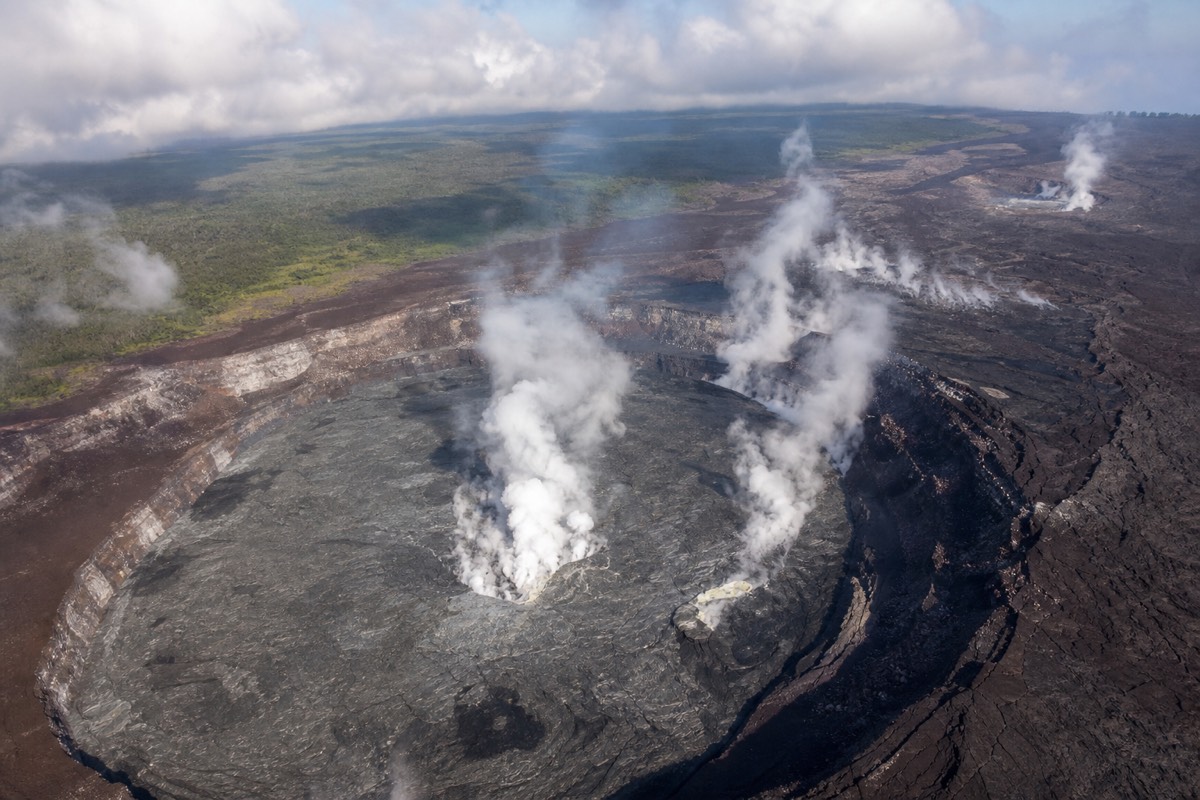
A one-hour helicopter flight straight out of Hilo Airport that puts you over Hawaii Volcanoes National Park without a mile of driving. Safari Helicopters flies a fixed route across the steaming Kīlauea caldera and the ash-dark cone of Puʻu ʻŌʻō, with Mauna Kea and Mauna Loa on the horizon, before dropping toward the coast to trace black sand beaches, raw lava fields, and rainforest waterfalls on the way back. A live English-speaking guide narrates the whole flight, and the cabin holds a maximum of six passengers. Free cancellation up to 24 hours before departure.
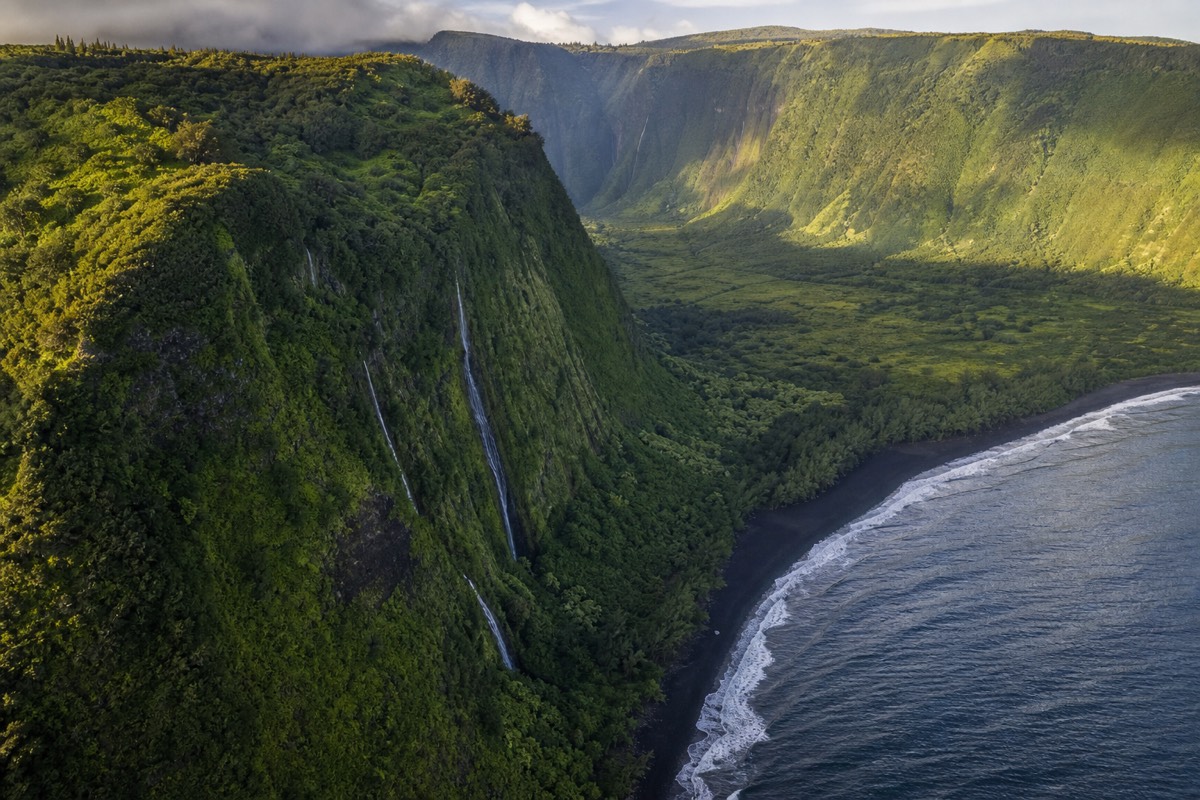
Blue Hawaiian Helicopters flies this hour-long route north from Hilo along the Big Island's greenest coastline, trading the volcano for the cliffs of Waipiʻo Valley and the waterfalls dropping off the Kohala coast into dense rainforest. The aircraft is an Eco-Star (EC-130) with large windows built for sightseeing, and every seat gets Bose noise-cancelling headsets wired for two-way conversation with a State of Hawaii certified pilot-guide. Transportation to and from the heliport is included. The 5.0 rating currently rests on a single review.
Seven ziplines strung through wet rainforest above Kolekole Falls, a 250-foot waterfall in the gulch behind Honomu, roughly 20 minutes up the coast from Hilo. Hawaii Zipline Tours runs it as a private booking, so the only people on the course with you are the ones you arrived with. Equipment, a professional instructor and rain gear come with the ticket. Every guest is weighed at check-in against a 40 to 260 lb limit, and smaller kids ride tandem with a certified guide on the last three lines.
Green sand is a genuine rarity, and the beach that produces it sits at the far southern tip of the Big Island, at the end of an unpaved road that rental car contracts flatly prohibit. Big Island Southside Tours runs the ATV ride out and back along the Green Sand Trail, through kiawe forest and out along the ocean cliffs. Nāʻalehu is roughly a two-hour drive from Hilo, so this is a south-island day rather than an afternoon out of town, and the 4.8 rating currently rests on 16 reviews.
Our Hilo private tours give you your own AC van, expert local guide, and total flexibility to chase hidden waterfalls, black sand beaches with turtles, steaming lava tubes, or night lava glows on your schedule.
Volcanoes National Park sits just a short drive from Hilo, where the island feels most alive with steaming craters, lava tubes and dramatic landscapes that change with every eruption. This private tour keeps it all yours – comfortable vehicle, customized itinerary, and as much time as you want at each stop. You’ll explore the park’s highlights like Kilauea’s caldera and recent lava flows at your own pace, with an expert guide sharing the stories behind the fire and rock. Along the way, add stops like Rainbow Falls cascading into a misty pool, Richardson’s black-sand beach where green sea turtles often bask in the sun, and the colorful Akatsuka Orchid Gardens bursting with exotic blooms. No rush, no big groups – just the Big Island’s raw volcanic power and natural beauty tailored to what you love most.
The Big Island feels wild and diverse in a way that’s hard to beat, and this private day (6–7 hours) keeps it personal for up to 10 people with pickup right in the Hilo area. You’ll start at Rainbow Falls, where mist and rainbows make the drop feel magical, then dive into Hawaii Volcanoes National Park for steaming craters, lava tubes and that raw volcanic power up close. The black-sand beauty of Punalu’u Beach comes next – shiny volcanic grains where green sea turtles often bask in the sun. Your guide shares real island history and stories the whole way, keeping things insightful without feeling like a lecture. Lunch is proper local-inspired food with vegan and gluten-free options, plus fresh fruit snacks to keep you going. Small-group vibe means plenty of time at each spot and attention tailored to your crew – the perfect relaxed way for families or friends to see the Big Island’s must-sees without the crowds.
The Big Island feels wild and personal when it’s just your group, and this private tour keeps it that way – no crowded buses, no strangers, just you, your people and a guide who knows every corner. You’ll start at Punaluʻu’s jet-black sand beach, where green sea turtles often bask in the sun, then head to a stunning waterfall like Akaka or Rainbow Falls for that misty, rainbow-filled magic. The heart of the day is Hawaii Volcanoes National Park – steaming craters, lava tubes and the raw power of Kilauea up close. Your guide shares real island stories the whole way, picking the best viewpoints and hidden spots. Pickup from any Hilo location, comfortable vehicle and a relaxed pace make it effortless – the kind of day that lets you feel the Big Island’s soul without anyone else in the way.
Our Hilo tours from Oahu fly you inter-island for the day to chase massive waterfalls like Akaka and Rainbow, black sand beaches with turtles, steaming Kilauea craters, and lava tubes in Volcanoes National Park.
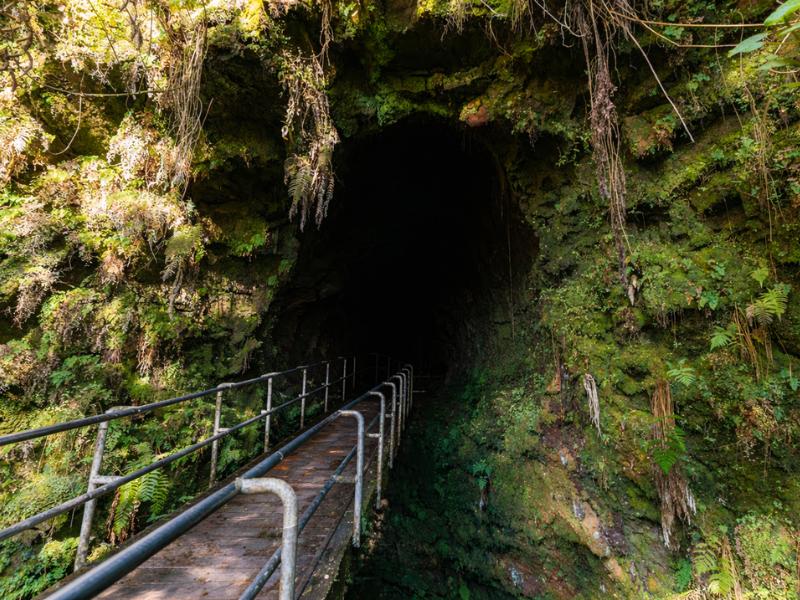
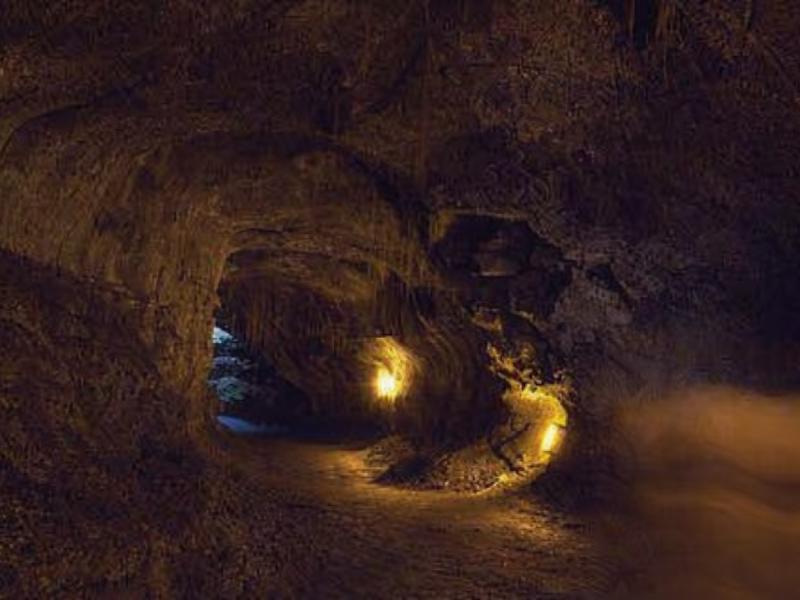
The Big Island’s raw volcanic power and lush rainforests feel worlds away from Oahu, and this all-inclusive day makes the jump easy with round-trip flights from Honolulu. You’ll land in Hilo and head straight into Hawaii Volcanoes National Park – home to active Kīlauea and recently erupted Mauna Loa – peering into the massive Halema‘uma‘u Crater that doubled in size after 2018, feeling the steam rise from underground vents, and walking through the eerie Nāhuku lava tube surrounded by ferns. A scenic drive down Chain of Craters Road shows old lava carving paths to the sea. Picnic lunch in the park keeps you fueled before the lush Hamakua Coast and ‘Akaka Falls – a 442-foot cascade plunging into a misty gorge through bamboo and orchid rainforest. Upgrade for a 45-minute helicopter flight over fresh lava fields, hidden waterfalls and black-sand beaches for that jaw-dropping aerial view. Small-group mini coach, expert guide – the ultimate one-day escape to the Big Island’s dramatic heart, with easy return flight to Oahu.
The Big Island feels like Hawaii’s wild heart – home to the world’s largest active volcano and landscapes full of natural mysteries – and this all-inclusive day from Honolulu makes it easy to see the best without any hassle. You’ll fly round-trip from Honolulu to Hilo (about 13 hours total door-to-door), with convenient Waikiki hotel pickup and airport transfers sorted. Once on the Big Island, a small-group guided tour (7–7.5 hours) dives into Hawaii Volcanoes National Park – steaming craters, lava tubes and that raw volcanic power up close. Then explore Hilo’s gems: a black-sand beach where green sea turtles often bask, a serene turtle lagoon, and a tropical waterfall tumbling into misty pools. Everything’s included – flights, transfers, expert guide – so you just show up and soak in the dramatic scenery and island stories. The perfect way to experience the Big Island’s wonders in one unforgettable day from Oahu.
A quick 45-minute flight from Oahu drops you on the Big Island, right in the heart of Hawaii’s volcanic wonderland. Hawaii Volcanoes National Park is home to massive Mauna Loa and super-active Kīlauea – places where the earth literally creates new land. This full-day tour puts you in the middle of it all with a scenic ride past dormant volcanoes, black lava beds, hissing steam vents and dramatic craters. Your guide shares legends of Pele, the fiery Hawaiian goddess said to live in Kīlauea’s Halemaʻumaʻu crater, while explaining exactly how volcanoes form and why this island keeps growing. Along the way you’ll see scenery only Hawaii has – lush rainforests giving way to raw lava fields. Round-trip flights, park entry and an expert guide included – the perfect way to feel the Big Island’s living power without planning a thing.
On the rainy eastern side of Hawaii's Big Island, Hilo stays lush and green year-round, with misty mornings over Hilo Bay, black-sand beaches just minutes from town, and easy drives to thundering waterfalls or glowing lava flows. Wander the famous farmers market piled high with rambutan and apple bananas, watch sea turtles bask at Richardson Ocean Park, or stand at the edge of Kilauea crater while steam vents hiss around you. With Hilo Tours, you'll chase rainbows at Akaka Falls, snorkel calm lagoons full of honu, explore glowing lava tubes at Volcanoes National Park, and taste fresh poke while the trade winds cool everything down. This is the real, unpolished Hawaii that locals love and visitors never forget.
Our expert team has been helping navigate and book Hilo tours and activities for tourists from all over the world for over a decade, ensuring you have a hassle-free trip with everything booked in advance.
With deep knowledge of the Big Island and Hawaii’s volcanic wonders, partnerships with the best local operators, and a passion for creating unforgettable experiences, we're committed to making your Hilo adventure truly extraordinary. From your first inquiry to your last tour, we're here to support you every step of the way.
Hilo travel questions
How far is Hawaii Volcanoes National Park from Hilo?
Hawaii Volcanoes National Park's main entrance (Kīlauea Visitor Center) is approximately 30 miles (48 km) southwest of Hilo, a straightforward 45-minute drive via Hawaii Belt Road (Highway 11) with scenic views of rainforest and lava fields along the way.
The drive is easy and well-paved: no 4WD needed for the park entrance or main attractions like Kīlauea Overlook, Steam Vents, or Chain of Craters Road. Traffic is usually light outside peak hours, and the route passes small towns like Keaʻau and Volcano Village, both good for gas and food stops. From central Hilo hotels, add 5–10 minutes; from Hilo airport, it's about 35 miles/55 minutes. Road conditions are generally good, with no major closures affecting this access.
We've put together a full operator breakdown in our best volcano tours from Hilo guide so you know exactly which experience fits your time and budget.
Can I see active lava right now from Hilo tours?
A page built months ago can't answer that honestly, because Kīlauea's summit eruption has swung between pauses and new fountaining episodes many times since it began, sometimes changing within days. Rather than guess, check the source that updates in real time: the USGS Kīlauea page tracks the eruption status directly, and the NPS current conditions page covers park access and viewing advisories.
When lava is active, it's confined to Halemaʻumaʻu crater and visible as glowing fountains or flows from safe public overlooks like Wahinekapu (Steaming Bluff) or Kīlauea Overlook, with nighttime glow often spectacular from these viewpoints. Hilo tours, a 45-minute drive to the park, frequently build in evening stops at these spots so guides can adjust the plan around whatever the volcano is doing that week.
Check the USGS and NPS pages above before you go if lava viewing matters to your trip, and see our best volcano tours from Hilo guide for how operators structure day and twilight visits around Kīlauea's activity.
Is a guided tour to Volcanoes National Park worth it from Hilo?
Yes, a guided tour from Hilo to Hawaii Volcanoes National Park is often worth it for most visitors, especially first-timers, as expert guides provide in-depth geology, Hawaiian cultural stories, and real-time updates on volcanic activity that elevate the experience beyond a simple drive.
The park is an easy 45-minute drive on well-paved Highway 11, so self-driving is straightforward and cheaper ($30 park entry per vehicle), allowing flexibility for hikes like Kīlauea Iki or Chain of Craters Road. Guides add value by pointing out subtle features like steam vents, lava tubes, and recent flows, sharing Pele legends, working around park closures, and pacing the stops well. Twilight and evening tours are especially worth it if Kīlauea happens to be active during your visit; check the USGS Kīlauea page before booking an evening slot, since that's not something anyone can predict months out. Skip guided if you're experienced, prefer total independence, or on a tight budget.
We've put together a full operator breakdown in our best volcano tours from Hilo guide so you know exactly which experience fits your time and budget.
Best time to visit Volcanoes National Park from Hilo to avoid crowds?
The best times to visit Hawaii Volcanoes National Park from Hilo to avoid crowds are early morning (arrive by 8–9 AM at opening) or late afternoon and evening (after 4 PM until sunset or after dark) on weekdays, especially in shoulder months like May, September, or March.
From Hilo, just a 45-minute drive, hit the Kīlauea Visitor Center at opening to get parking before the tour buses and cruise-day crowds from Hilo port (especially Tuesdays) arrive. Spots like Steam Vents or Kīlauea Overlook stay quieter for hikes and views. Late visits let crowds thin, with golden light on the craters and clearer stargazing, plus a chance at glow if Kīlauea happens to be active (check the USGS Kīlauea page before you go). Avoid midday (10 AM–4 PM), summer, holidays, and eruption spikes when lines surge. Weekdays beat weekends; May and September offer drier weather and fewer visitors than peak winter or summer.
We've put together a full seasonal breakdown in our best time to visit Hilo tours guide so you know exactly when to go based on your priorities.
Does it rain a lot in Hilo – will it ruin my tour?
Yes, Hilo is one of the rainiest cities in the United States, averaging around 130 inches (330 cm) of rain per year. The rain typically comes in short, passing showers rather than all-day downpours, so it rarely ruins tours.
Most rainfall happens overnight or in brief tropical bursts, often in the afternoon, leaving plenty of dry windows for exploring. Many visitors experience a mix of sun, clouds, and quick showers, with frequent rainbows as a bonus in the lush environment. Tours to Hawaii Volcanoes National Park (45 minutes away) or waterfalls are built for this weather: guides carry ponchos, vehicles provide cover, and attractions like steam vents or crater views remain impressive, sometimes enhanced, in mist or light rain. Heavy prolonged rain is uncommon, and most Hilo-area activities run year-round without major disruption. Pack a lightweight rain jacket and quick-dry clothes for comfort.
What should I pack for a rainy day tour in Hilo?
For a rainy day tour in Hilo, where brief showers are common even on "good" days, pack light, quick-drying layers and portable rain protection. Most guided tours provide ponchos, but bringing your own gear keeps you more comfortable.
Essential items:
Lightweight rain jacket or poncho, packable and hooded (better than umbrellas, which are awkward in wind or on trails).
Quick-dry clothing (synthetic or merino wool shorts/pants, moisture-wicking shirt; avoid cotton or jeans that stay wet and cold).
Water-resistant or waterproof shoes (closed-toe hiking sandals like Teva/Chaco or trail shoes with good grip; flip-flops get slippery on lava rocks or muddy paths).
Extra pair of socks (wool or synthetic to change into if feet get wet).
Small daypack with rain cover or dry bag/plastic liner for phone, camera, wallet.
Reusable water bottle, sunscreen (rain often mixes with sun), and insect repellent (mosquitoes like damp areas).
Hat or cap (for sun breaks and light drizzle).
Nice extras: ziplock bags for electronics, a microfiber towel, and a change of clothes left in the tour van or hotel. Tours to Volcanoes National Park or waterfalls run rain or shine, since showers usually pass quickly and leave rainbows and dramatic steam vents behind.
Can I visit Rainbow Falls and Akaka Falls in one day from Hilo?
Yes, you can easily visit both Rainbow Falls and Akaka Falls in one day from Hilo. It's a popular, relaxed half-day itinerary that leaves time for other activities like Volcanoes National Park or Hilo exploration.
Rainbow Falls is just a 5–10 minute drive (2 miles) from downtown Hilo, with free entry/parking and views right from the lot (20–45 minutes total visit, including an optional short walk to the top). Akaka Falls State Park is about 25–30 minutes north (11–15 miles), with a paved 0.4-mile loop trail through rainforest to see the 442-ft Akaka and 400-ft Kahuna Falls (45–60 minutes total). Driving between the two takes 20–30 minutes. Total time runs 3–5 hours including drives and stops, which works well for mornings (best light and rainbows at Rainbow Falls) or afternoons. Both are free or low-cost (Akaka: $5/person plus $10 parking for non-residents; free roadside parking is possible). Roads are easy; self-drive or guided tours both work well.
We've put together a full breakdown in our best waterfalls near Hilo tours guide so you know exactly which falls to prioritize and how to get there.
Is Akaka Falls worth the entrance fee?
Yes, Akaka Falls is worth the $5 per person non-resident entrance fee (plus $10 vehicle parking). The short, easy, paved loop trail (0.4 miles, 20–40 minutes) delivers views of the 442-foot Akaka Falls plunging into a lush rainforest gorge, plus the bonus 400-foot Kahuna Falls, all in a well-maintained tropical setting.
Visitors consistently rank it among the Big Island's most accessible and photogenic waterfalls, and the dense bamboo, ginger, orchids, and frequent rainbows along the trail do most of the work. The fee supports trail upkeep and preservation in this state park, keeping it clean and safe. It's a step up from free roadside falls like Rainbow Falls, with a genuine jungle-immersion feel. The only minor downsides: parking can fill on busy mornings (arrive early), and light rain, common in the Hilo area, makes paths slightly slippery, so wear good shoes.
If you're short on time or budget, roadside views exist nearby, but the official loop is the real highlight most people recommend.
Guided tours from Hilo that include Akaka Falls State Park, with entrance fees, transport, and Rainbow Falls stops worked into the comparison, are covered in our best waterfalls near Hilo tours guide.
Where's the best black sand beach near Hilo?
Punaluʻu Black Sand Beach is widely considered the best and most iconic black sand beach near Hilo, known for its jet-black volcanic sand, swaying coconut palms, and frequent sightings of endangered green sea turtles basking on the shore.
It's about a 1–1.5 hour drive southwest (60–70 miles via Highway 11), making it an easy day trip often combined with Hawaii Volcanoes National Park, just 30–45 minutes away. The beach has picnic areas, restrooms, and a striking contrast of black sand against turquoise water, good for photos, relaxing, or watching honu, though swimming can be rough due to currents (lifeguards are on duty). It's the image many visitors picture when they think of classic Big Island scenery.
Closer alternatives:
Richardson Ocean Park (10 minutes east of downtown Hilo): the nearest black (mixed with green olivine) sand spot, great for calm snorkeling, tide pools, and families, with lifeguards and facilities.
Kaimū Beach (45–60 minutes south in Puna): a newer, dramatically black beach formed by lava flows, more remote and raw.
For the ultimate experience, head to Punaluʻu, and keep 20+ feet from the turtles without touching them.
Guided tours from Hilo that include Punaluʻu Black Sand Beach, often paired with Volcanoes National Park or waterfalls, are covered in our best nature tours from Hilo guide.
Best shore excursion from Hilo cruise ship?
The top-rated shore excursion from Hilo cruise port is a guided tour to Hawaii Volcanoes National Park, often combined with Rainbow Falls and other highlights like black sand beaches or macadamia nut factories. It's the iconic Big Island experience most cruise passengers choose for its volcanic landscapes, steam vents, craters, and cultural insights.
This 5–7 hour small-group tour, with pickup directly at the pier, pairs knowledgeable guides explaining Kīlauea geology and Pele legends with safe overlook viewpoints (check the USGS Kīlauea page ahead of time if lava viewing matters to you), plus efficient pacing that guarantees you're back at the ship on time. Many include stops at Rainbow Falls (an 80-ft cascade with frequent rainbows) and Big Island Candies for treats, ideal for limited port time. Alternatives like waterfalls, Akaka Falls, or botanical gardens are scenic but less unique; volcano tours are consistently the top recommendation for anyone with a single day in port.
We've put together a full port day breakdown in our Hilo tours cruise day guide so you know exactly what to book and what to skip given your time window.
Is Uber available in Hilo?
Yes, Uber is available in Hilo and operates across the Big Island, including pickups and drop-offs at Hilo International Airport, with options like UberX for rides around town, to nearby attractions, or longer trips.
Availability is more limited than in bigger cities: there are fewer drivers on the Hilo/east side than in Kona, so wait times can run longer (10–30+ minutes), surge pricing happens occasionally, and rides aren't always immediately available, especially late at night, early mornings, or in remote areas. Many visitors report success for short trips (airport to downtown hotels, roughly $15–25) but keep a backup like taxis, Holoholo (a local rideshare app with more consistent coverage), or a pre-booked tour. For farther spots like Volcanoes National Park or waterfalls, guided tours or a rental car are more reliable.
How do I get around Hilo without a car?
You can easily get around Hilo without a car using the Hele-On public bus system, Uber (limited but available), taxis, walking in the compact downtown, or bikes and e-scooters. Most tours also include convenient hotel or cruise port pickups.
The Hele-On bus is affordable ($2 per ride or $60 monthly pass) and covers key routes: downtown Hilo, Prince Kuhio Plaza (shopping), Hilo Airport, and even daily service to Hawaii Volcanoes National Park (about 1–1.5 hours, early morning departures). Buses run mainly on weekdays, with limited weekend service and exact schedules on the county website, useful if you're traveling on a budget. Downtown Hilo is very walkable (farmer's market, bayside parks, museums within 1–2 miles), and many hotels are central. Uber works for short rides (airport to town, roughly $15–25) but can mean longer waits on the east side; taxis are a reliable alternative. For farther attractions (Rainbow Falls 10 minutes away, Akaka Falls 30 minutes), guided tours are the most popular no-car option, handling transport, narration, and park fees.
Helicopter tour over the volcano from Hilo – worth it?
Yes, a helicopter tour over Kīlauea from Hilo is worth it for most visitors: it's the clearest way to grasp the scale of Hawaii's volcanic landscapes, recent lava flows, craters, and lush rainforests and waterfalls, all in a single 45–60 minute flight that shows a perspective ground tours simply can't.
Departing from Hilo (the closest airport to the park), tours like Safari Helicopters and Blue Hawaiian fly over Halemaʻumaʻu crater, Mauna Loa lava flows, dramatic coastlines, and hidden valleys, with pilots narrating the geology and Pele legends along the way. What's visible from the air changes with the volcano: check the USGS Kīlauea page before you fly if seeing active lava or glow matters to you, since that's genuinely unpredictable and no page can promise it months in advance. The two Hilo-departing helicopter tours we list run $406 for the Hawaii Volcanoes National Park Flight and $511 for the Hilo Waterfall Experience Helicopter Tour, generally cheaper than flying from Kona given the shorter distance to the park.
It's especially worth the splurge if you want aerial drama, have limited mobility or time for hikes, or want to pair it with a ground park visit; many visitors combine both for the full experience. Skip it if you're prone to motion sickness, on a tight budget, or satisfied with ground views.
Can I combine waterfalls and volcano in one day tour?
Yes, you can easily combine waterfalls (like Rainbow Falls and Akaka Falls) with Hawaii Volcanoes National Park in one full-day tour from Hilo. It's a popular, well-paced itinerary that many operators offer, covering the lush windward side and the dramatic volcanic landscape in the same day.
A typical 8–10 hour small-group tour starts early from Hilo, visits Rainbow Falls (a quick 20–30 minutes, often with rainbows in morning light) and/or Akaka Falls State Park (45–60 minutes on the easy loop trail), includes scenic stops like black sand beaches or macadamia farms, then heads to the park for Kīlauea viewpoints, steam vents, lava tubes, and Chain of Craters Road highlights. The drives flow logically, waterfalls to the north as a short detour, the volcano to the south, with total driving time around 2–3 hours spread across the day. Twilight versions add a chance at evening glow if Kīlauea happens to be active during your visit; check the USGS Kīlauea page before booking an evening slot. The contrast between lush rainforest and moon-like lava fields makes for one of the more memorable single-day combinations on the island.
Self-driving is also feasible (Rainbow/Akaka roughly 1–2 hours round-trip north, the park roughly 2 hours round-trip south), but guided tours handle park fees, narration, and logistics for you.
Full-day tours from Hilo combining waterfalls and Hawaii Volcanoes National Park are covered in our best volcano tours from Hilo guide.
Is Hilo expensive for food and tours?
Hilo is moderately expensive for food and tours compared to mainland US averages (Hawaii overall ranks high due to import costs), but it's noticeably cheaper than tourist-heavy Kona or resort areas on other islands, making it one of the more budget-friendly spots on the Big Island.
For food, expect to pay 30–50% more than mainland prices: casual meals or plate lunches run $12–20 (good deals at food trucks or spots like Cafe 100), mid-range restaurant entrees $25–45, fast food combos around $12–15, and groceries (milk around $8/gallon, basics higher) push daily eating-out costs to $50–100/person if you mix options. Hilo's local vibe means more affordable poke bowls ($10–15), farmers market finds, and supermarket delis compared to pricier Kona dining.
Tours follow Hawaii's premium pricing: full-day Volcanoes National Park small-group trips run roughly $150–250 including transport and fees, waterfall combos are similar, and helicopter volcano flights run $406 for the Hawaii Volcanoes National Park Flight up to $511 for the Hilo Waterfall Experience Helicopter Tour, still cheaper from Hilo than Kona given the shorter flight distance. These reflect unique access to active volcanoes and rainforests, a real splurge compared to mainland equivalents but good value for what you're seeing.
Save by eating local (Hilo Farmers Market, poke from Foodland), self-driving to free or cheap sights like Rainbow Falls, or choosing small-group over private tours.
We've put together a full cost breakdown in our Hilo tours on a budget guide so you know exactly where to spend and where to save.
Are kids allowed on volcano tours from Hilo?
Yes, children of all ages are allowed on most volcano tours from Hilo to Hawaii Volcanoes National Park. Small-group guided day tours are highly family-friendly, with no minimum age restrictions on standard van-based itineraries.
Kids join the same comfortable air-conditioned vans as adults, exploring safe park viewpoints like Kīlauea Overlook, steam vents, and short paved trails, activities suitable for strollers or carriers, though some uneven lava terrain requires carrying younger ones. Many operators offer child rates (often 50–70% off for ages 3–11, free or reduced for under 3) and can accommodate car seats (bring your own or request one). Twilight and evening tours for potential glow viewing are also open to families, though parents should expect to keep little ones up late. Helicopter volcano tours typically allow kids age 2 and up, with weight limits applying and lap children under 2 often free. The park itself has no age limits, just standard safety rules: stay on trails, and supervise closely near cliffs and steam.
We've put together a full family breakdown in our Hilo tours with kids guide so you know exactly what to book based on your kids' ages and energy levels.
Is Hilo safe for solo travelers?
Yes, Hilo is generally safe for solo travelers, with low violent crime rates that rarely target tourists and a laid-back, friendly local vibe. Many solo visitors, including women, report feeling secure while using common-sense precautions.
The main concerns are petty theft (car break-ins or bag snatching in tourist spots) and higher property crime compared to resort areas like Kona: lock vehicles, don't leave valuables visible, and avoid isolated areas at night. Homelessness and occasional drug-related issues exist, as in many US towns, but street harassment is minimal, and tourist zones (downtown, Rainbow Falls, Volcanoes National Park) feel welcoming with a visible police presence. Solo travelers, especially women, often stick to well-lit or busier paths after dark, join group tours for remote spots, and use Uber or taxis over walking alone late.
Overall, Hilo's east-side "rugged" feel is more about rain and authenticity than danger, and most solo trips here go by without incident.
Small-group guided tours from Hilo, like Volcanoes National Park or waterfalls, add transport and the comfort of numbers. See our best volcano tours from Hilo guide for options.
A Typical Tour Day on the Big Island from Hilo
One full day in the park, hour by hour, the way the guided tours actually run it.
8:00 amHotel pickup in Hilo
8:30 amRainbow Falls, before the tour buses arrive
9:15 amDrive up the Hamakua Coast
10:00 amAkaka Falls State Park, 442-foot plunge into the gorge
11:30 amContinue south, black sand beach stop
12:30 pmLunch break, guide recommendations, rest
2:00 pmEnter Hawaii Volcanoes National Park
2:30 pmKilauea Iki Overlook, steam vents, crater rim walk
4:30 pmHalema'uma'u Crater at late afternoon light
6:00 pmReturn to Hilo
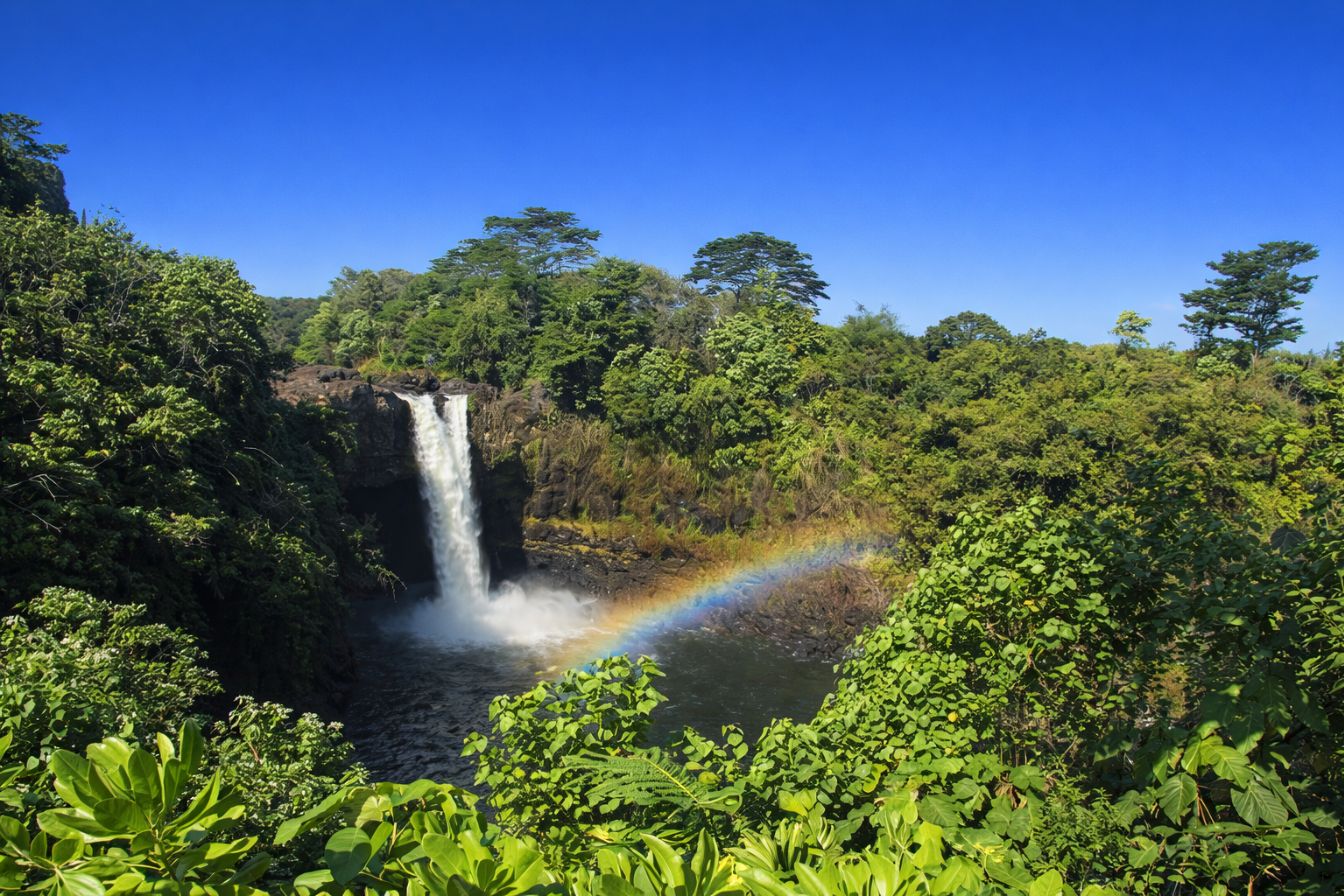
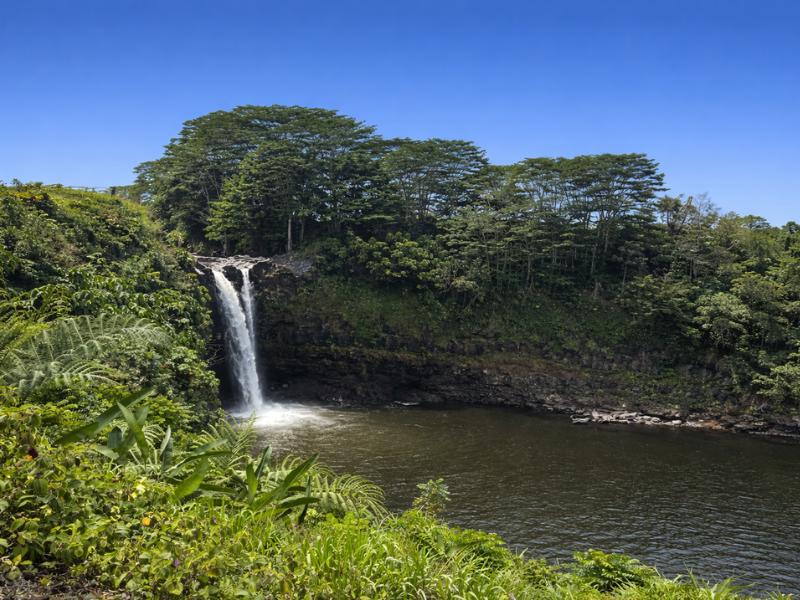
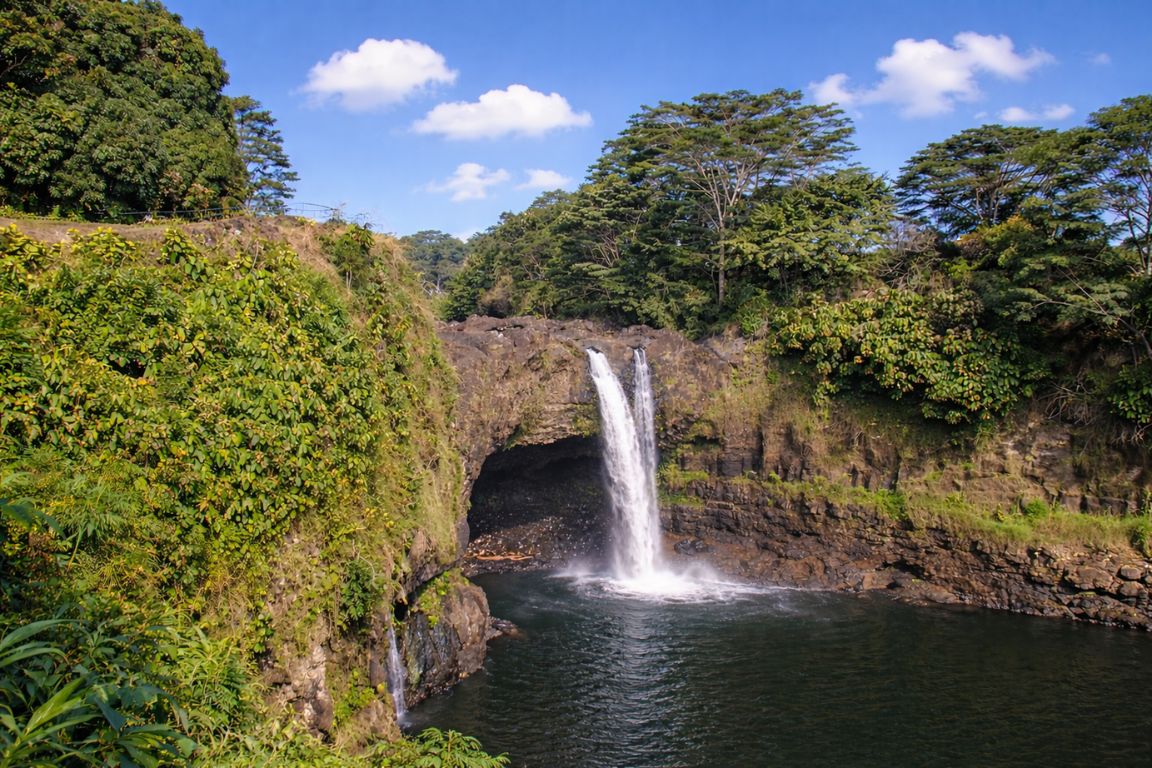
Hilo is the wet side of the Big Island, which means the landscape around it is lush in a way that the drier resort areas of the Kohala Coast are not. The waterfalls that draw most visitors to this part of the island run full year-round because Hilo receives more rainfall than almost any other city in the United States, and the Hamakua Coast north of town is a sequence of deep green valleys with rivers cutting through them on their way to the sea. Rainbow Falls, five minutes from downtown Hilo, is the logical first stop because the light in the early morning produces the actual rainbow in the mist above the plunge pool that gives the falls their name. By 10am that angle is gone. Our guides know the window and we build the morning around it.
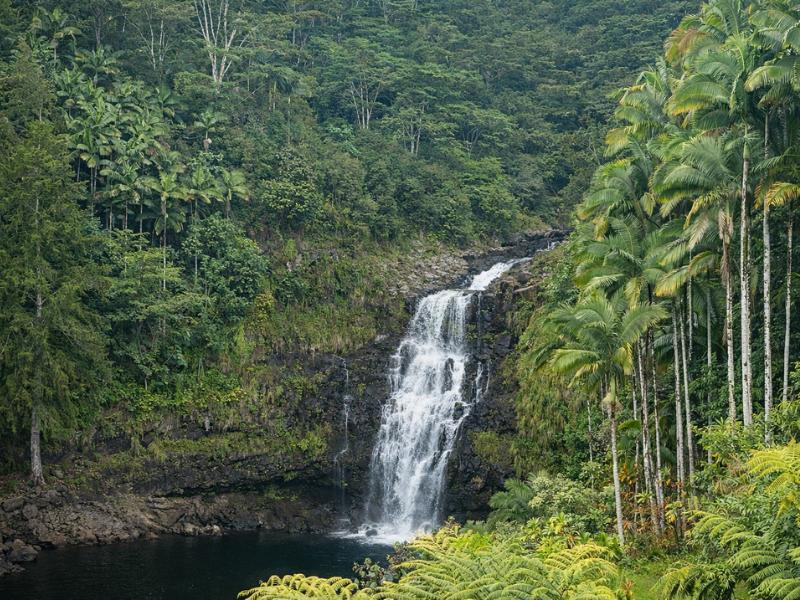
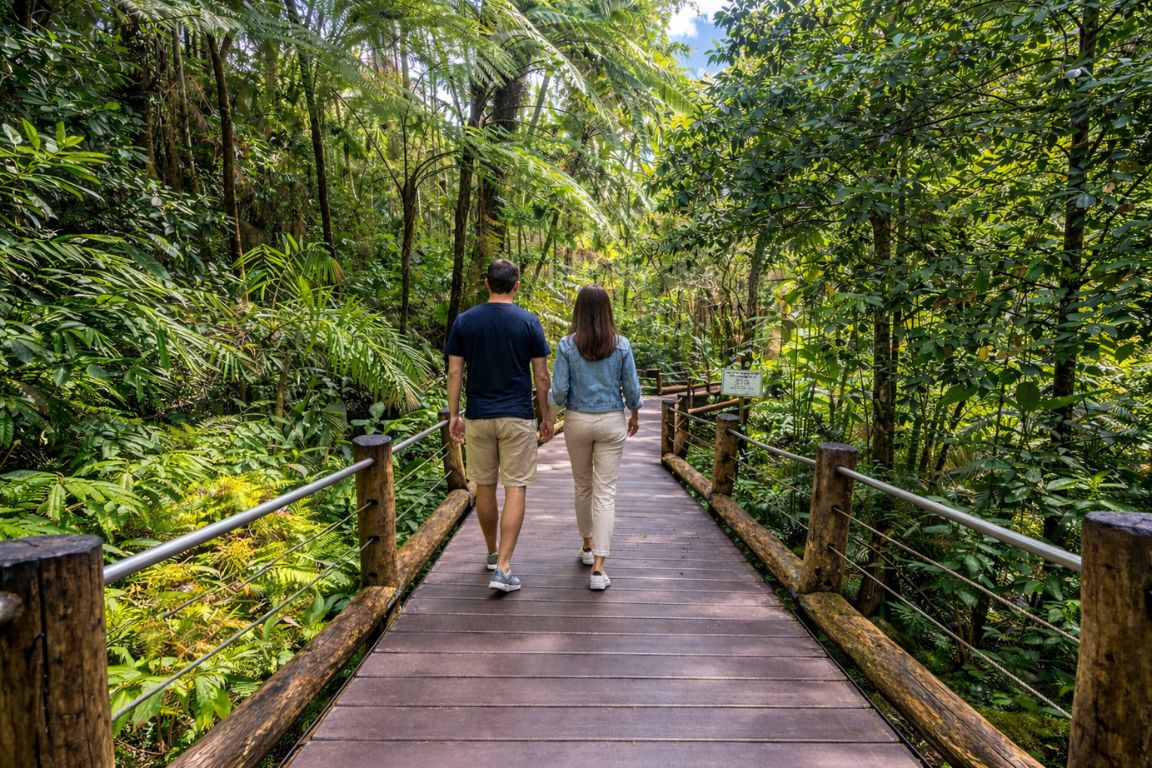
Akaka Falls is further up the coast and worth the distinction: at 442 feet it is one of the tallest waterfalls in Hawaii, dropping in a single clean plunge into a lush gorge lined with giant ferns, wild orchids, and bamboo. The loop trail to reach it takes about twenty minutes through vegetation that smells of damp earth and something tropical that is difficult to name precisely. The falls themselves are visible from the viewing platform at the end of the path and the scale of them, the way the water disappears into mist before it reaches the pool below, tends to produce quiet from even the most vocal groups. Hilo Tours guides explain the geology on the walk back down, the volcanic rock that the water has been cutting through for thousands of years and will continue cutting through long after the trail is gone.
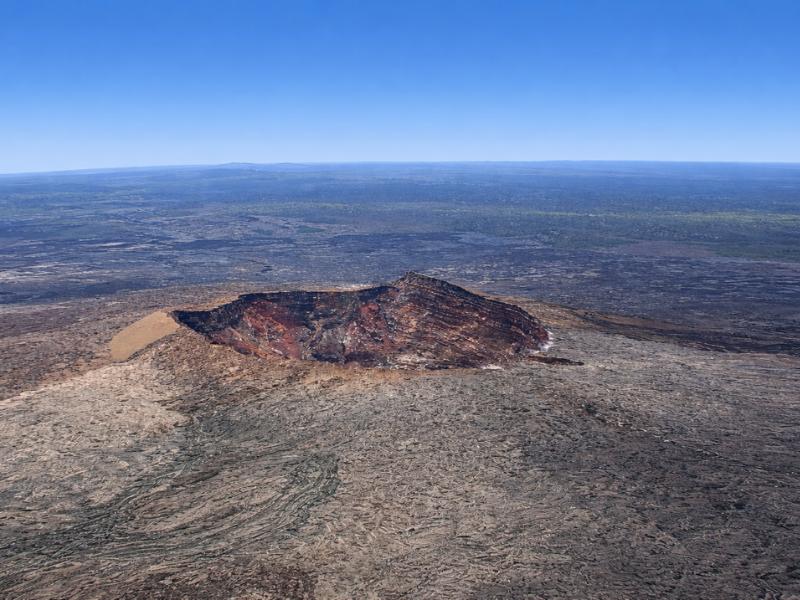
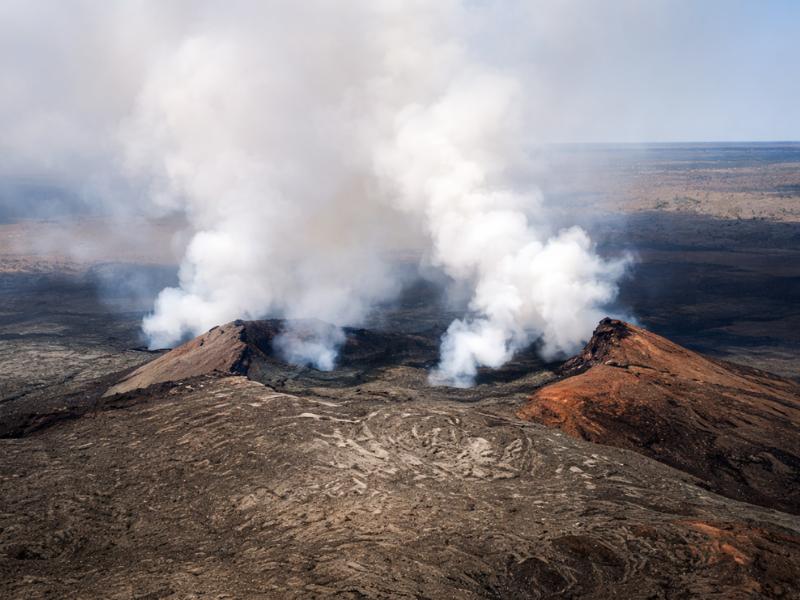
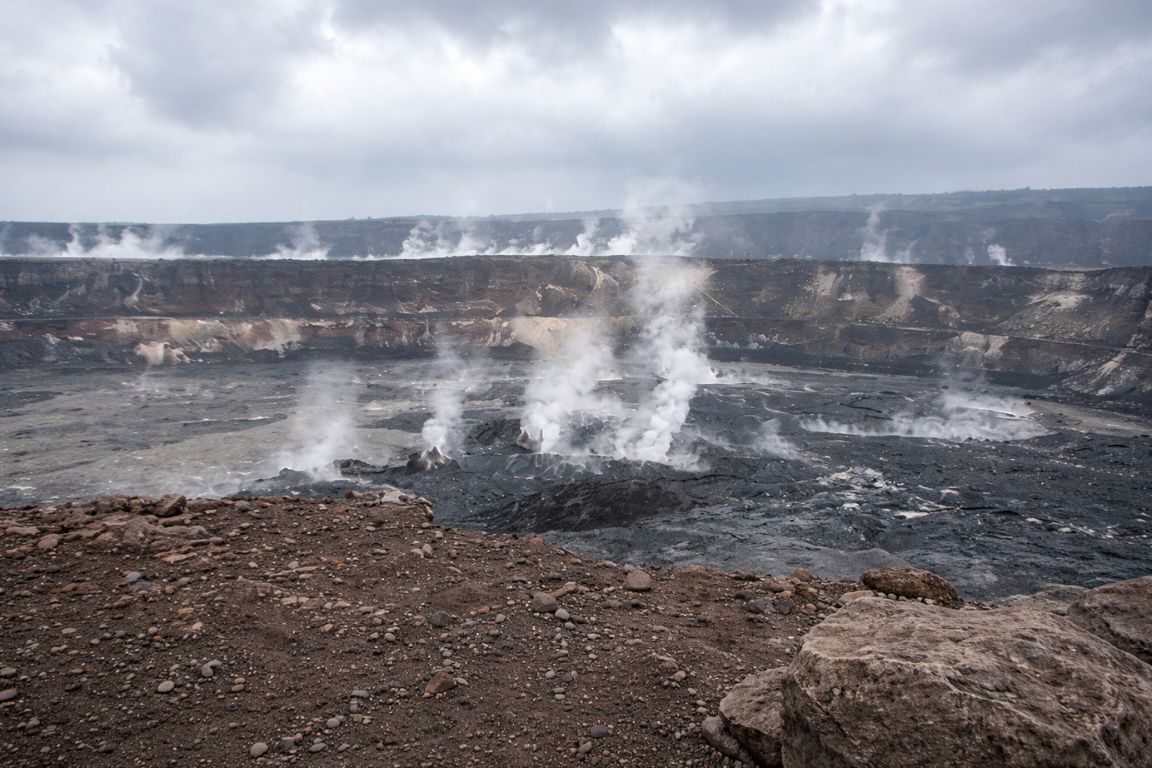
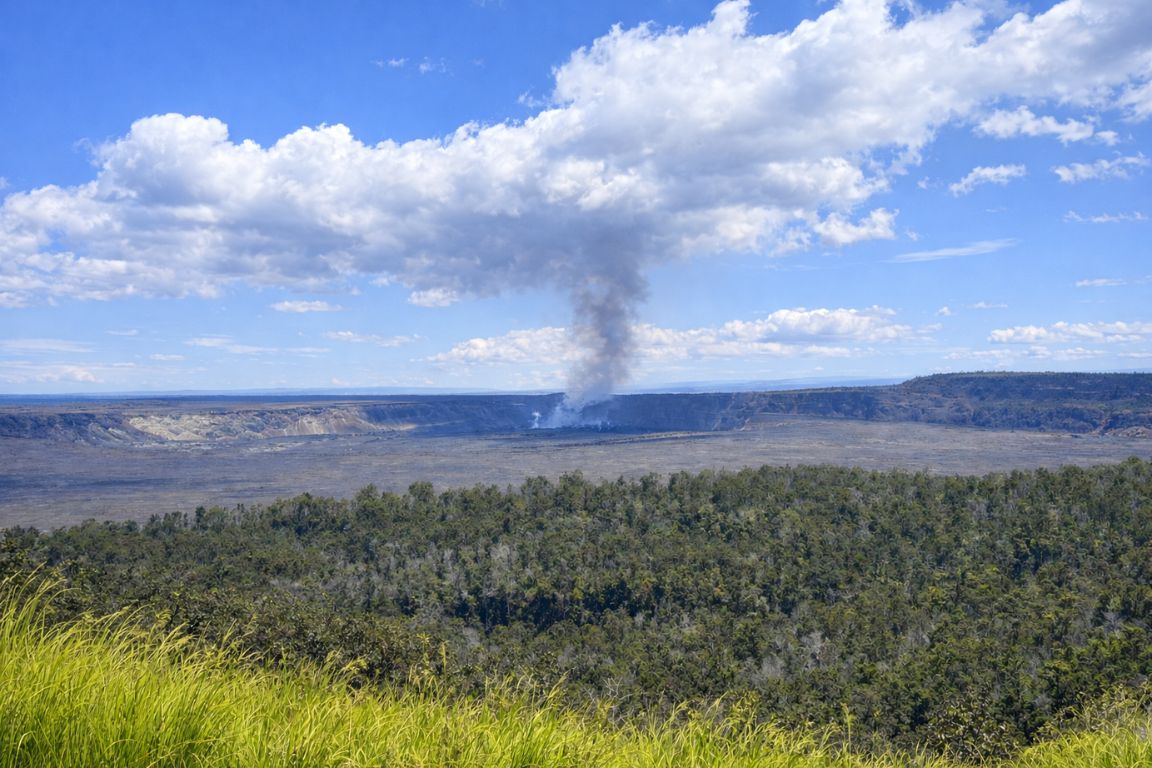
Here is what we tell clients honestly before the volcano section of the day: Hawaii Volcanoes National Park is not a theme park, and Kilauea does not perform on schedule. The park covers over 300,000 acres of active volcanic landscape, and what is visible and accessible on any given day depends on current activity, air quality from sulfur dioxide emissions, and trail conditions following recent geological events. The 2018 eruption reshaped significant portions of the park, buried roads, and created new lava fields that are still being mapped. Our guides monitor conditions in advance and adjust the route accordingly. What they can consistently deliver is the experience of standing at the edge of Halema'uma'u Crater, one of the most volcanically active areas on the planet, and watching the landscape that builds and destroys itself at a timescale that makes human history feel very short. Some days the crater glows. Some days steam vents are the show. Both are real and both are worth being there for.
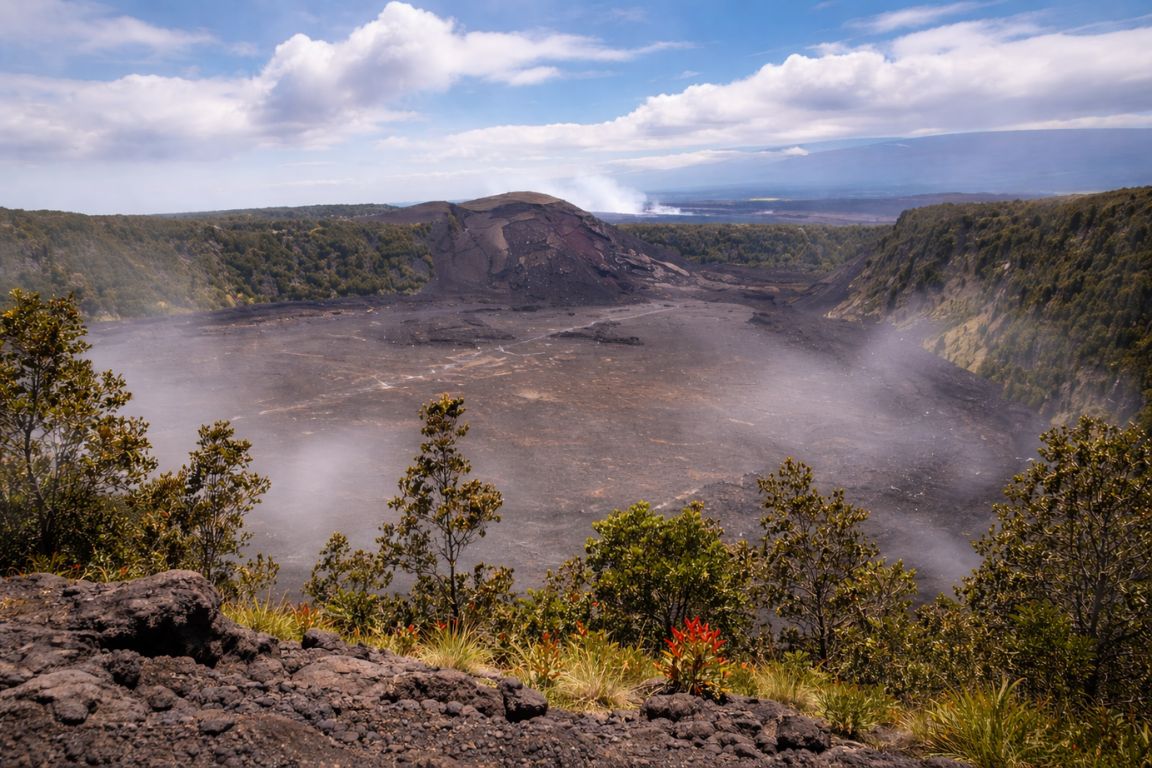
The Kilauea Iki trail, a two-mile loop that descends into a crater formed during the 1959 eruption and crosses the hardened lava lake at its floor, is the hike that changes most clients' understanding of what a volcano actually looks like up close. The surface of the lava lake is uneven, cracked in patterns that suggest something enormous moving beneath, and the trail crosses it at ground level with the crater walls rising on both sides. It looks post-apocalyptic and it is, in the sense that an eruption did precisely that to this landscape within living memory. Native plants are already reclaiming the margins. The guides point out the first ōhiʻa lehua trees growing from cracks in the rock, among the first life to return to new lava anywhere in the world. The resilience of the ecosystem is its own kind of story.
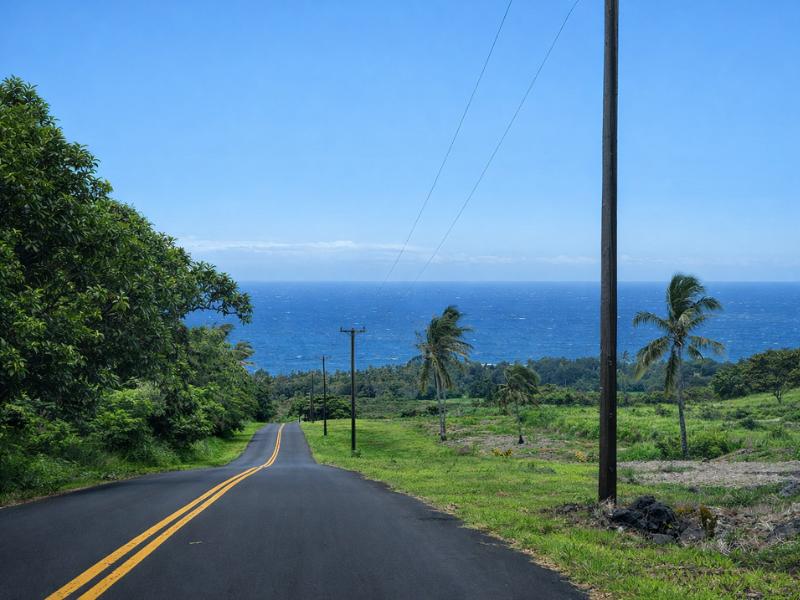
The return drive to Hilo as the light fades is the unwinding section of the day. The coast comes back into view, the ocean appears between the hills, and the particular green of the Big Island's eastern side glows in the last light in a way that is distinct from anywhere else in Hawaii. Hilo Tours clients are usually quiet on this stretch too, in the good way that suggests a day that covered enough ground, showed enough of the island's range, and left people with more to think about than they arrived with in the morning. The Big Island is the youngest and largest of the Hawaiian islands, still actively forming itself, and spending a full day on it with a guide who understands that process leaves most visitors with a relationship to the place rather than just a collection of photographs.
Average Tour Prices in Hilo, Hawaii
Tap a column heading to sort.
Prices below are what you'll pay when booking through our verified operators online. They are current as of early 2026. All Hilo-based tours include hotel pickup in the Hilo area. Tours from Oahu include round-trip inter-island airfare on Hawaiian Airlines between Honolulu and Hilo. Hawaii Volcanoes National Park charges a separate entry fee of $30 per vehicle (valid 7 days), which is included in most guided tours listed here. Mauna Kea stands at 13,796 feet and all tours include warm gear; altitude acclimatisation is recommended, and the summit is not suitable for pregnant women or those with heart or respiratory conditions.
All prices per person. National Park entry fee ($30/vehicle) included in most guided tours; confirm at booking. Helicopter tours depart from Hilo Airport. The Mauna Kea tour includes warm parkas, gloves, and hot drinks; no rental vehicle or independent summit access is available after sunset. The tide pools and snorkeling tours are not suitable for children under 5 or visitors with significant mobility limitations.
Online vs. Walk-In / Self-Drive vs. Cruise Ship Shore Excursion: How Booking Method Affects What You Get
Book Online in Advance (via verified operators like Hilo Tours)
$69 to $389 for most experiences; private and Oahu trips higher
Low: Native Hawaiian and locally owned guides confirmed, hotel pickup arranged, National Park fees pre-paid on most tours, Mauna Kea warm gear included, free cancellation 24 hours before; Mauna Kea summit and helicopter tours fill quickly in peak season (June to August)
Self-Drive with Rental Car (rent a car and visit Volcanoes NP, waterfalls, and beaches independently)
Rental car + $30 NP entry fee
Medium: viable for confident drivers; Volcanoes National Park is straightforward to navigate with the park map; Mauna Kea requires a 4WD rental for the summit road and the summit area is not accessible without a vehicle or guided tour after dark; Kulaniapia Falls and the secret tide pools are private land not accessible without booking
Cruise Ship Shore Excursion (booked through the ship when docked in Hilo)
Typically 30 to 50% above comparable online rates
Low logistics, high cost: ship-operated tours guarantee return to the pier on time and are well-organised; they carry a markup over independently booked equivalents, and groups are often larger
The Honest Case for Booking with Hilo Tours in Advance
Hilo is the wettest city in the United States, and the Big Island's eastern side receives rainfall almost daily. This is not a deterrent. The rain is what produces the 442-foot Akaka Falls, the lush Hamakua Coast valleys, and the year-round rainbows at Rainbow Falls that give it its name. Every tour listed here operates rain or shine. What the rain does mean is that self-guided exploration without local knowledge is less rewarding than it would be elsewhere. A guide who grew up here knows which waterfalls are running full, which coastal trails are accessible after recent rain, and how the park road conditions through Hawaii Volcanoes National Park shift with the weather. The Hilo Day Tour at $197 with Native Hawaiian guides is specifically valued for that local contextual layer, which consistently comes through in reviews as the element that distinguishes it from simply driving the same loop with a rental car.
The Mauna Kea sunset and stargazing tour at $299 warrants its own note because the logistics involved are non-negotiable. The summit road above 12,000 feet is a narrow, steep, unpaved road that rental car companies void their insurance coverage on. Access after sunset requires participation in a guided tour. The scientific context of the summit, where 13 of the world's most powerful telescopes are located including the Keck Observatory instruments that contributed to the first black hole photograph, is substantially enriched by a guide who explains why this specific combination of altitude, latitude, and atmospheric conditions makes Mauna Kea the finest optical and infrared astronomy site on Earth. The tour stays above the clouds for sunset, which happens even on cloudy Hilo days because you are above the cloud layer. The stargazing that follows in clearer conditions at around 9,000 feet is consistently described as the clearest sky experience most visitors have ever had.
The Oahu day trips to Hilo deserve a practical note for visitors based in Honolulu who want to see Kilauea without spending multiple nights on the Big Island. The round-trip flight is about 45 minutes each way, and the all-day itinerary covering Volcanoes National Park, Akaka Falls, and Hilo town fills approximately 12 to 15 hours door to door from Waikiki. It is a long day. The version without a helicopter at around $350 is the accessible starting point; the version adding a 45-minute helicopter flight over the active caldera runs about $550 and is the one that former participants most consistently describe as the single most memorable day of their Hawaii trip.
How to Visit Hilo
Hilo is the wet, green, unhurried side of the Big Island, and it tends to be the part that people who have been once want to come back to. It sits on the windward coast, rains frequently and briefly, and sits within easy reach of active volcanoes, thundering waterfalls, black sand beaches, and some of the best farmers market produce in Hawaii. Here is what everyone who contacts Hilo Tours hears from us before they plan their trip.
ITO has direct flights from several mainland US cities and connects easily via inter-island from Honolulu. If you are staying on the Kona side, the drive to Hilo takes about 90 minutes through the saddle between Mauna Kea and Mauna Loa, or roughly two hours along the scenic southern route past Volcanoes National Park. Either way, Hilo is very much a destination in its own right rather than just a day stop from the resorts.
2
Rent a car if you can.
Hilo's main attractions are spread across a wide area. Rainbow Falls is ten minutes from downtown. Akaka Falls is thirty minutes north. Volcanoes National Park is forty-five minutes south. Punalu'u Black Sand Beach is another thirty minutes beyond the park. A car gives you the freedom to pace your own day and stop wherever something catches your eye. Guided tours are excellent and handle everything for you, but the Big Island rewards independent exploration in a way that requires wheels.
3
Expect rain and dress accordingly.
Hilo averages around 130 inches of rain per year, which makes it one of the rainiest cities in the United States. That said, the rain here tends to come in short tropical bursts rather than sustained all-day events. Most visitors experience a mix of sun, clouds, and passing showers, often with rainbows as a side effect. A lightweight packable rain jacket and quick-dry clothing are the practical answer. Do not let the rain forecast push you to the Kona side if Volcanoes National Park and waterfalls are what you actually want to see.
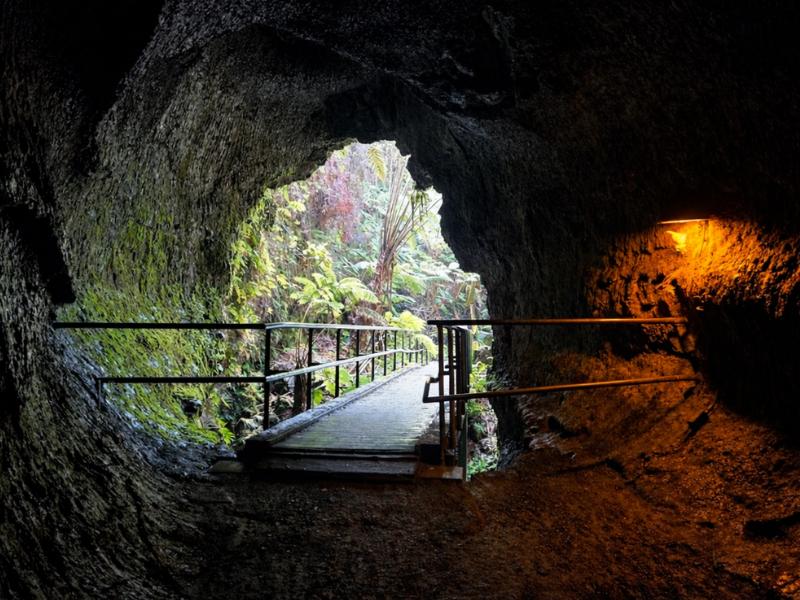
The park entrance is forty-five minutes from Hilo on a well-paved road. The entry fee is thirty dollars per vehicle, which covers multiple days. Allow at least three to four hours to do the park any justice: the Kīlauea Visitor Center for context, the steam vents and sulphur banks, Halema'uma'u Crater overlook, Thurston Lava Tube, and a stretch of Chain of Craters Road. Adding a waterfall stop like Rainbow Falls before or after the park fills a complete and satisfying day.
5
Visit Rainbow Falls in the morning.
The falls are about ten minutes from downtown Hilo and free to visit. Morning light catches the mist and produces the rainbows the falls are named for. It is a short stop, twenty to thirty minutes, but genuinely worth timing right. Akaka Falls to the north is a longer commitment, about forty-five minutes on the loop trail through bamboo and giant ferns, and earns its reputation as one of the best waterfall hikes on the island.
6
Go to the Hilo Farmers Market on a Wednesday or Saturday.
Those are the big market days when local vendors bring tropical fruit, fresh poke, flowers, and handmade crafts to the bayfront. Rambutan, apple bananas, fresh lilikoi, and macadamia nuts at prices you will not find anywhere else on the island. It is also one of the more genuinely local experiences in Hilo, mixing residents and visitors without the polished resort atmosphere of the west side.
7
Check current volcanic activity before planning evening visits to the park.
Kīlauea's eruption status changes. When active, the glow from Halema'uma'u Crater at night is one of the most extraordinary things the Big Island offers, and the park stays open late specifically for this. When the eruption is paused, the crater still steams and the landscape is dramatic, but there is no glow. The USGS updates the activity status daily and operators who know the current situation are worth asking. We always tell visitors: if there is active lava and you have any flexibility in your itinerary, rearrange your evening around it.
8
The one thing most first-timers get wrong:
spending too much time on the Kona side and treating Hilo as a single rushed day. The west side has beaches and resorts. The east side has volcanoes, waterfalls, genuine local culture, and the raw landscape that makes the Big Island unlike every other Hawaiian island. Visitors who give Hilo two or three days rather than one almost always say it was the part of the trip they will remember longest.
Most Popular Hilo Tours
Tap a column heading to sort.
Hilo sits on the wet, wild eastern side of the Big Island, thirty miles from one of the world's most active volcanoes and a short drive from waterfalls that pour through jungle so dense it smells like rain before it arrives. These three tours lead all Hilo Tours bookings by actual volume, and the range from a private waterfall reserve at $69 to a summit stargazing experience at $299 reflects how differently visitors choose to spend their time here.
Anyone who wants to stand at 14,000 feet above the Pacific and watch the sun set from above the clouds before the Milky Way comes out
Summit of the highest point in the Pacific, parkas and gloves provided, views among the world's largest telescope complex including those used to photograph the first black hole, private star show through professional telescope, guide takes pro photos and sends them after, hotel pickup
Visitors who want the aerial perspective of the Big Island's volcanic landscape, craters, lava fields, waterfalls and rainforest in a single flight
Helicopter from Hilo Airport over active lava flows, Kilauea and Halemaʻumaʻu crater, recent lava fields, hidden waterfalls, orchid farms and rainforest coastline, captain narrates throughout, small group with local ohana feel
Travelers who want an uncrowded, genuinely peaceful waterfall day on a private reserve without tour groups or schedules
120-foot waterfall into a clear pool, four waterfalls accessible by trail through bamboo gardens, daily guest numbers strictly limited, swimming, kayaking and paddleboarding under the falls when conditions allow, easy access from Hilo
4.8 (1,450+ bookings)
What makes this top three interesting is that none of these tours are the obvious Hilo choice. The volcano park ground tour, the waterfalls-and-beaches combo day trip: those are the ones most first-time visitors picture when they plan their time here. What Hilo Tours sees in the booking data is that the summit stargazing, the aerial perspective, and the quiet private falls reservation consistently outperform the standard itinerary. Each of the three offers something the Big Island does better than anywhere else on earth, and guests who book them tend to say so.
Location
Hilo sits on the windward eastern side of Hawaii's Big Island, about 216 miles southeast of Honolulu, and is served directly by Hilo International Airport (ITO) just 4 km from the town centre, with connections through Honolulu and direct mainland flights. Its position on the wet side of the island, where trade winds drop their moisture against the slopes of Mauna Kea and Mauna Loa, makes it one of the rainiest cities in the United States, a climate that keeps the landscape lush, feeds countless waterfalls, and puts Hilo within 30 miles of Kīlauea, one of the most continuously active volcanoes on Earth. That mix of tropical rainforest and active volcanic landscape in a compact area is what draws visitors to this side of the island. Take a look at the map below to see where our tours operate across the Hilo region and beyond.
216 miDistance
Guarantee Your Spot with Hilo Tours
Hilo is a small town on the wet side of the Big Island, and the best tours here run in genuinely small groups. The Native Hawaiian-guided day tours, the Mauna Kea summit stargazing experiences, and the private east side custom trips all cap at sizes that mean something. Cruise ship days are the wildest variable. When a large ship docks at Hilo port on a Tuesday morning, every tour van in town fills by 9am and spots that were available the day before disappear overnight.
Book before you arrive on the island. A helicopter tour or a summit sunset with pro photos and borrowed parkas is not something you piece together at the Hilo Farmers Market the morning of.
What you lock in when you book in advance:
Your Mauna Kea summit slot. The stargazing tours to the 14,000-foot summit run in small groups and require specific vehicle types rated for the altitude and cold. The sunset and star show window is narrow. These book out days to weeks ahead, especially between November and March when clear summit nights are most reliable and demand spikes.
A Native Hawaiian guide who knows this island personally. The family-run tours with guides who grew up here, who know which waterfall has a rainbow at 8am and which lava tube still smells of sulfur from last week, are not the same product as a charter bus from a hotel lobby. Those spots go early.
Your helicopter flight before the manifest fills. Hilo sits 30 minutes closer to Kilauea than Kona, making it the better departure point for volcano overflights. The smaller operators running intimate 6-seat flights book out fast on days when eruption activity is forecast, which as of early 2026 is happening frequently.
A cruise ship day that actually works. If you are coming in on a ship, your window in port is fixed and finite. Having a confirmed small-group tour with pier pickup, park entry, and a return time that matches your all-aboard is the difference between a real day on the Big Island and a worried sprint back through downtown Hilo.
The private tour your group actually needs. The private east side custom tours for up to 10 people, with local-inspired lunch and flexible stops from Rainbow Falls to Punalu'u, are not assembled same-day. The vans, the guides, the permits, the timing around tide and light all need to be confirmed in advance.
Hilo gets overlooked in favor of the Kona coast, which is exactly why the people who choose it tend to love it most. Come with your days planned and spend them the way the island actually rewards.