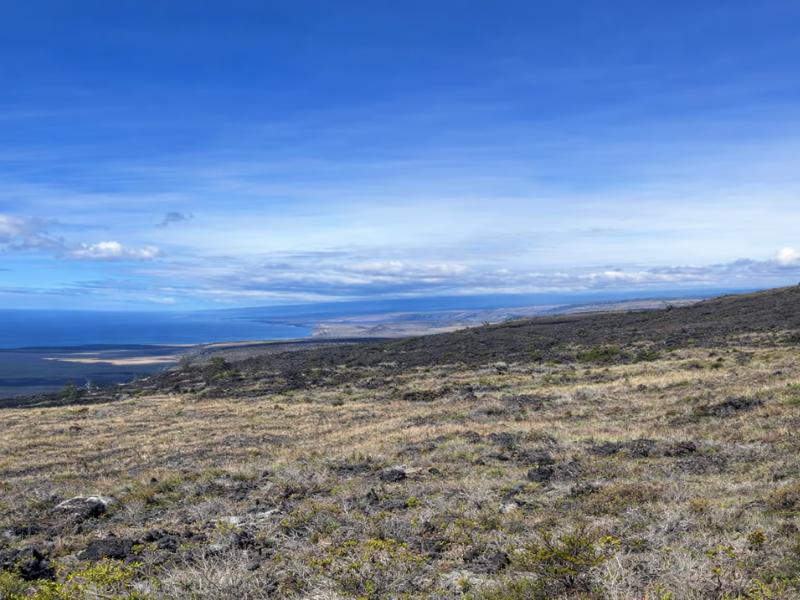
Best Volcano Tours from Hilo
Volcano tours from Hilo offer the easiest access to Hawaii Volcanoes National Park. Compare tour types, prices, and why staying for the night glow is worth it.
Last updated: May 1, 2026
| Small-group van tour | $85-$175/person | 6-10 hours | Budget-conscious travelers, first-timers |
| Private guided tour | $200-$400+/group | 6-10 hours | Couples, families, flexible itineraries |
| Helicopter tour (Hilo) | $406-$511+/person | 1 hour flight | Aerial perspective, active lava viewing |
| Combo helicopter + land tour | $350-$600+/person | Full day | Once-in-a-lifetime visitors |
| Self-drive (DIY) | $30/vehicle entry + rental | Your pace | Independent travelers with a full day |
Prices verified April 14, 2026. Hawaii Volcanoes NP entry: $30/vehicle, valid 7 days (verified April 14, 2026).
What Are the Best Volcano Tours from Hilo?
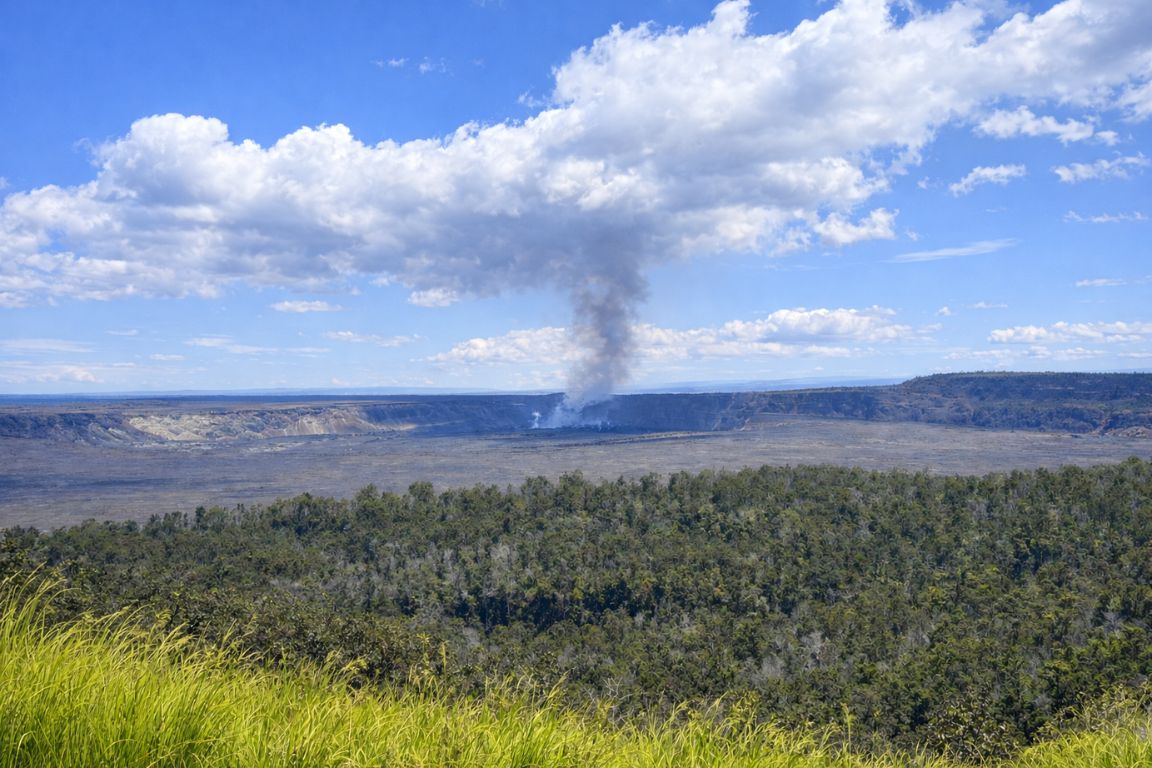 The best volcano tours from Hilo combine Hawaii Volcanoes National Park with the crater glow after dark, and include a guide who can read current conditions and get you to the right viewpoint at the right time. Kilauea has been erupting episodically since December 2024, with 44 active episodes logged through April 2026. Right now, standing at the Uekahuna rim after sunset and watching orange light pulse from the Halema’uma’u crater is one of the most extraordinary things you can do in Hawaii. The tours that understand this build their itinerary around it.
Hilo’s proximity is the starting advantage no other base can match. The park entrance is roughly 30 miles from downtown – about 30 to 40 minutes on Highway 11. From Kona, it is 90+ minutes each way. That distance difference is not academic. It means Hilo-based tours arrive at the park while the crowds are still thin in the morning, can take real time inside, and can comfortably return for the after-dark crater experience without racing the highway in the dark. Kona day-trippers almost never catch the glow. It is simply too far.
Trying to decide between the rainy lush side and the sunny dry side? Check out our Hilo vs Kona where to stay guide before you commit to either.
The people who leave most satisfied with their volcano experience share a few things in common: they had a guide who understood real-time eruption conditions, they arrived early and stayed late, and they did not try to combine the volcano with four other activities in a single rushed day. The ones who leave disappointed almost always did the opposite.
What makes a great volcano tour is not the van or the snacks or the itinerary PDF. It is the guide’s working knowledge of the park on that specific day which viewpoints are open, where the gas is blowing, whether the summit is socked in with cloud or clear, when to arrive at the caldera rim for the best light. That knowledge does not come from a brochure. It comes from years at the volcano, and from checking conditions before every single departure.
If you want the volcano experience done right – including the after-dark crater glow – start with the 12-hour guided hike from Hilo.
What Is the Difference Between a Guided Tour and Going Solo?
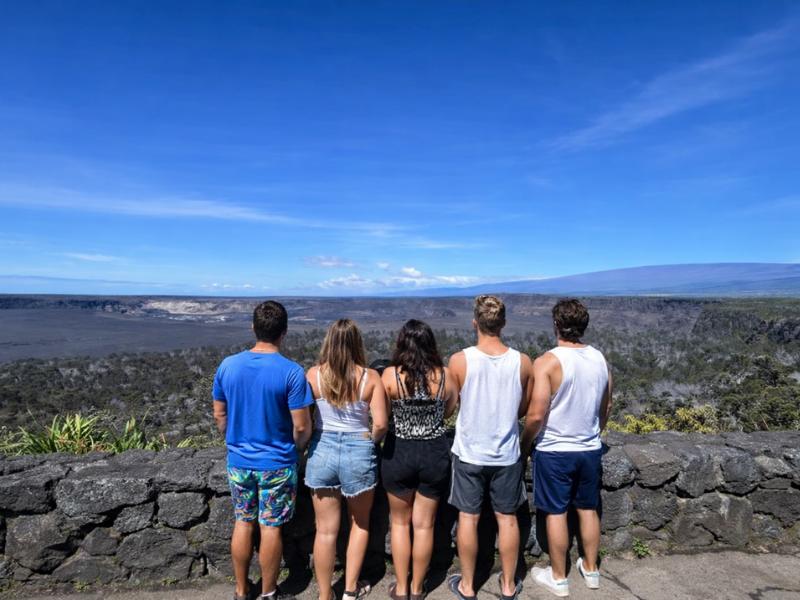
Solo is completely workable if you have a rental car, a full day, and some advance research. The park is a National Park – well signed, well staffed, and navigable without a guide. What you lose going solo is real-time condition knowledge, cultural and geological context that changes what you’re seeing, and someone who knows exactly when and where to be for the crater glow. What you gain is total flexibility and $85-$175 per person saved.
The honest answer is: both approaches can produce a great volcano experience, and the right choice depends on who you are. Solo self-driving the park with a rental car is completely standard. Drive in, pay the $30 vehicle fee (credit card only – cash no longer accepted), stop at the visitor center, pick up a map, ask a ranger, and go. The Chain of Craters Road, the Kilauea Iki Trail, Nahuku lava tube, the Uekahuna overlook – all of it is accessible and well marked. If you are a capable independent traveler who researches in advance, going solo is legitimate and saves money.
What guides provide is density of experience, not access. A guide who has spent years at Kilauea understands how eruption cycles work, can identify ‘Ohi’a lehua trees reclaiming cooled lava flows and explain what they mean culturally, knows which overlooks are worth the detour on a cloudy day and which are not, and has a feel for how the gas plume moves at different times of day. That knowledge quietly doubles the quality of what you see without you having to know you were missing it.
The one scenario where a guide tilts clearly toward essential: if you are combining the helicopter with a ground tour in a single day, if you have respiratory sensitivity and need someone monitoring vog conditions in real time, or if you are bringing children and want someone else managing logistics while you focus on the experience. For everyone else, it comes down to budget and preference.
Heading to Hawaii’s rainy side and want to get the planning right? Here’s our how to plan a trip to Hilo tours so you make the most of every day.
| Cost | $85-$400+/person | $30 vehicle entry + rental car |
| Transportation | Included (van/vehicle) | Your rental car |
| Real-time condition knowledge | Guide monitors conditions daily | Check NPS website + USGS yourself |
| Flexibility | Group pace, set itinerary | Fully flexible |
| Cultural/geological context | Ongoing narration throughout | Rangers available; NPS app helpful |
| Night crater viewing | Good tours build this in | Easy to do on your own (park is open 24hrs) |
| Best for | First-timers, families, people who want full narrative experience | Independent travelers with time and research done |
What Types of Volcano Tours Depart from Hilo?
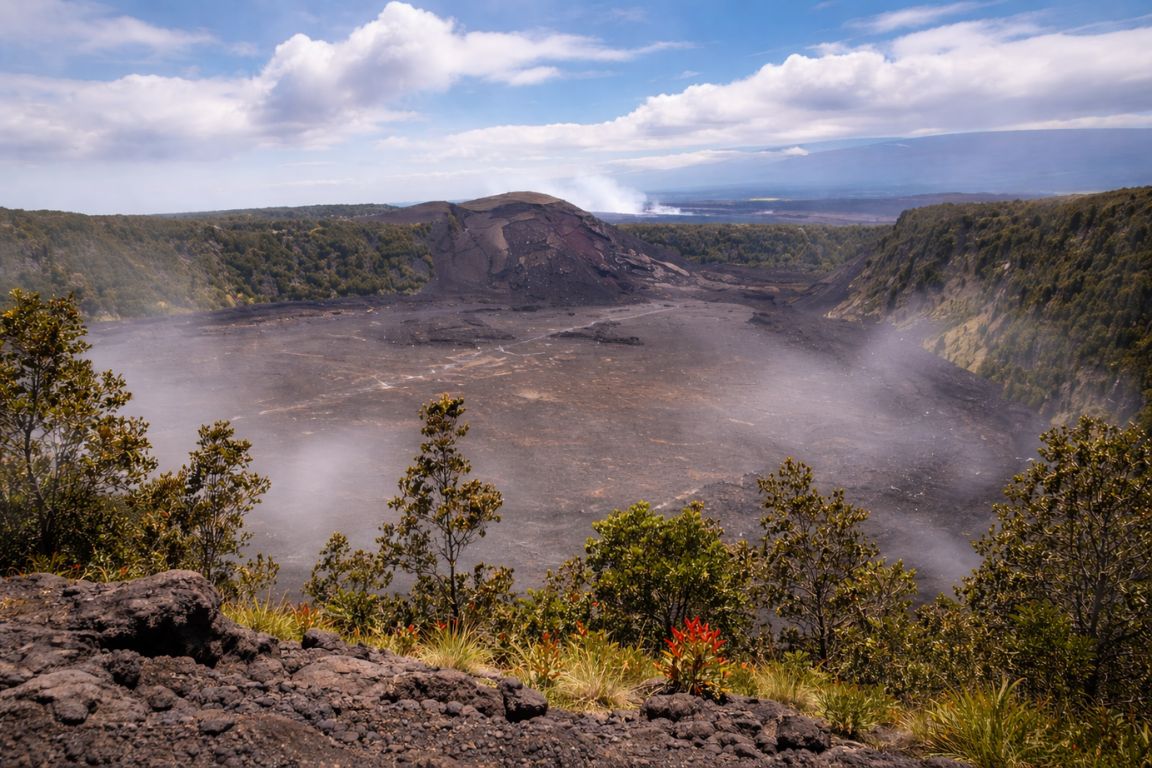 Four main categories of volcano tour depart from Hilo: small-group land tours (van-based, 8-12 passengers, most common and most affordable), private land tours (your group, your schedule), helicopter tours (aerial perspective of Kilauea and the volcanic landscape from above), and combination tours that pair a helicopter flight with a ground exploration of the park. Each serves a different kind of traveler.
Small-group van tours are the backbone of Hilo volcano tourism. A typical tour runs 6-10 hours, departs from downtown Hilo or your hotel, includes park entry fees, covers the crater rim overlooks, Nahuku (Thurston) lava tube, Chain of Craters Road, and often a waterfall stop on the way out. Groups cap around 8-12 passengers. Quality varies significantly between operators, and the guide makes or breaks the experience. Look for operators with consistent five-star reviews that specifically mention the guide by name that is a strong signal. Tours that include park entry fees save you from figuring out the digital payment system on poor cell service.
Private tours work exactly like small-group tours but the vehicle is yours. A certified local guide picks you up, tailors the stops to your interests, adjusts pace based on what is captivating you, and can accommodate specific requests – more time at a particular viewpoint, a detour to a lava tube the big tours skip, a longer wait at the crater rim for the right light. Private tours cost more but the flexibility is real, especially for families with young children or travelers with mobility considerations.
Helicopter tours from Hilo reach the active volcanic zone with a shorter flight than tours based in Kona or Waikoloa, since Hilo International Airport sits closest to Kilauea’s caldera. Seating on most operators is assigned by weight distribution at check-in, not chosen in advance, though front seats can often be reserved for a fee. During active eruption episodes, the aerial view of the glowing crater and lava fountains is genuinely extraordinary, but active lava is never guaranteed and eruptions can pause between episodes.
Combination helicopter plus land tours give you both perspectives in one day. You see the scale and drama from the air first, then walk the crater rim and hike the lava tube on the ground. Some operators structure these as full-day experiences with a meal included. They cost more and take more time, but for someone visiting once and wanting the complete picture, the combination is worth considering seriously.
If a standalone flight is more what you're after, Hilo now has two: a 1-hour flight over Kīlauea's caldera and Puʻu ʻŌʻō, and a separate 1-hour flight over Waipiʻo Valley and the Kohala coast's waterfalls instead of the volcano. Our Hilo helicopter tours comparison breaks down price, aircraft, and which one actually suits which trip.
We’ve put together a full breakdown in our best waterfalls near Hilo tours guide so you know exactly which falls to prioritize and how to get there.
How Much Do Volcano Tours from Hilo Cost?
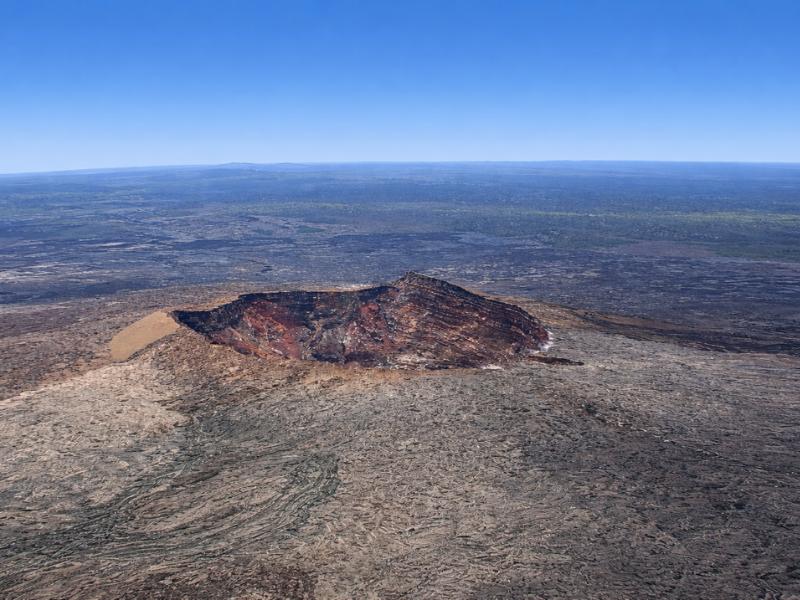
Small-group land tours from Hilo run $85-$175 per person and almost always include park entry fees and hotel pickup. Private tours typically start around $200-$250 for a couple and scale with group size. Helicopter tours from Hilo start around $406 per person for a 1-hour flight. Doing the park solo costs $30 per vehicle for a 7-day pass. The single best value for most first-timers is a small-group tour with an experienced local guide – you get transportation, park entry, real-time conditions, and narration for around the same cost as two people driving themselves.
Helicopter pricing between Hilo and Waikoloa is closer than the flight-time difference might suggest, since operators price by route and aircraft as much as by base airport – but Hilo still wins on value for a volcano-focused flight, since Waikoloa-based tours covering the same distance to Kilauea run longer and cost more to compensate for the extra transit time. If a helicopter tour is on your list and a volcano flight specifically is the goal rather than a full-island overview, that is the clearest reason to book from Hilo rather than Waikoloa.
| Small-group land tour | $85-$175/person | $100-$200/person (longer drive) | Transport, park entry, guide, sometimes snacks |
| Private land tour | $200-$400+/group | $300-$500+/group | Transport, park entry, guide, full flexibility |
| Helicopter (50-60 min) | ~$229-$350/person | ~$400-$719/person | Flight, narration; park entry separate |
| Combo helicopter + land | $350-$500+/person | $500-$800+/person | Flight + ground tour + sometimes meal |
| Self-drive (DIY) | $30/vehicle + rental | $30/vehicle + rental + longer drive | You plan, you navigate, total flexibility |
Prices verified April 14, 2026. Park entry $30/vehicle valid 7 days; credit card only. Active lava viewing never guaranteed.
One cost most travelers overlook: the $30 park entry fee is per vehicle and valid for 7 consecutive days. If you take a guided tour that includes entry fees, you cannot use the same vehicle pass later for a solo return. Buy a separate digital pass through Recreation.gov if you plan to go back, or ask your tour operator whether an entry receipt that can be used for a return visit is part of the deal.
This is the kind of timing knowledge that only comes from doing it thousands of times since 2014. See the Hawaii Volcanoes National Park Safari Adventure if you want a guided park day handled for you.
Not sure which Hilo experiences are worth paying for and which ones are just as good for free? Check out our Hilo tours on a budget guide before you book anything.
What Should You Look for When Choosing a Hilo Volcano Tour?
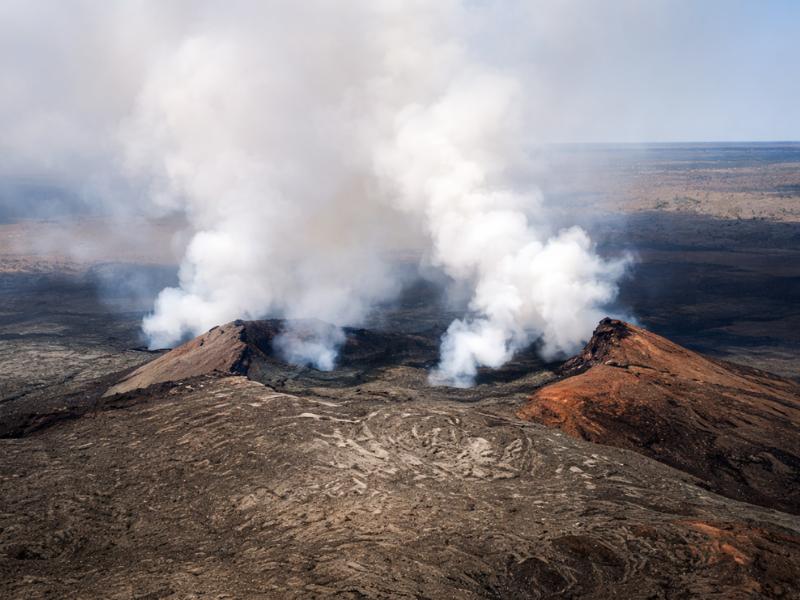
The guide is more important than the vehicle, the snack, or the brochure. Look for operators with consistent five-star reviews that name the guide specifically and describe their volcanic knowledge, not just friendliness. Look for tours that include park entry fees, keep groups under 12 people, and explicitly build in evening crater viewing. Avoid operators whose tours run on a rigid clock that has everyone back in the van before the light changes.
The single most important thing to look for is guide quality, and the most reliable proxy for it is reviews that name specific guides and describe what they explained, not just that the guide was “nice” or “funny.” A guide who has spent years at Kilauea knows which overlooks are worth the extra five minutes, understands when cloud cover is about to lift over the crater, and can explain why the ‘Ohi’a lehua trees you are walking past are the first plants to reclaim fresh lava, and why that matters to Hawaiian culture. None of that is in the park’s interpretive signs.
Group size matters more than most people realize. A 12-passenger van keeps the group small enough that the guide can read the group’s energy, slow down when something interesting is happening, and not have to herd forty people away from a parking lot. Large motor coaches are common for cruise ship excursions and are functional but the experience is diluted. If personalization matters, look for small-group operators explicitly capping tours at 12 or fewer.
A cruise day in Hilo is shorter than most people realize – our Hilo tours cruise day guide breaks down exactly how to use the time you actually have.
Several other things worth checking before booking: whether park entry fees are included (some operators list tours at lower prices but exclude the $30 entry, which appears as a surprise cost at the gate); whether the tour includes evening or after-dark crater viewing; whether the cancellation policy is fair (a 24-48 hour refund window is standard and reasonable – operators requiring 7-day cancellation notice for weather-dependent tours are harder to work with); and whether the operator has a published policy for what happens if volcanic activity closes sections of the park during the tour.
For respiratory sensitivities: vog (volcanic smog) from Kilauea’s emissions can be a real concern when wind conditions keep the gas near the crater rim. Good operators check the Interagency Vog Dashboard before departing and can advise. If you have asthma or other respiratory conditions, tell the operator before you book – a responsible guide will adjust viewpoints and timing accordingly.
When Is the Best Time of Day for a Volcano Tour from Hilo?
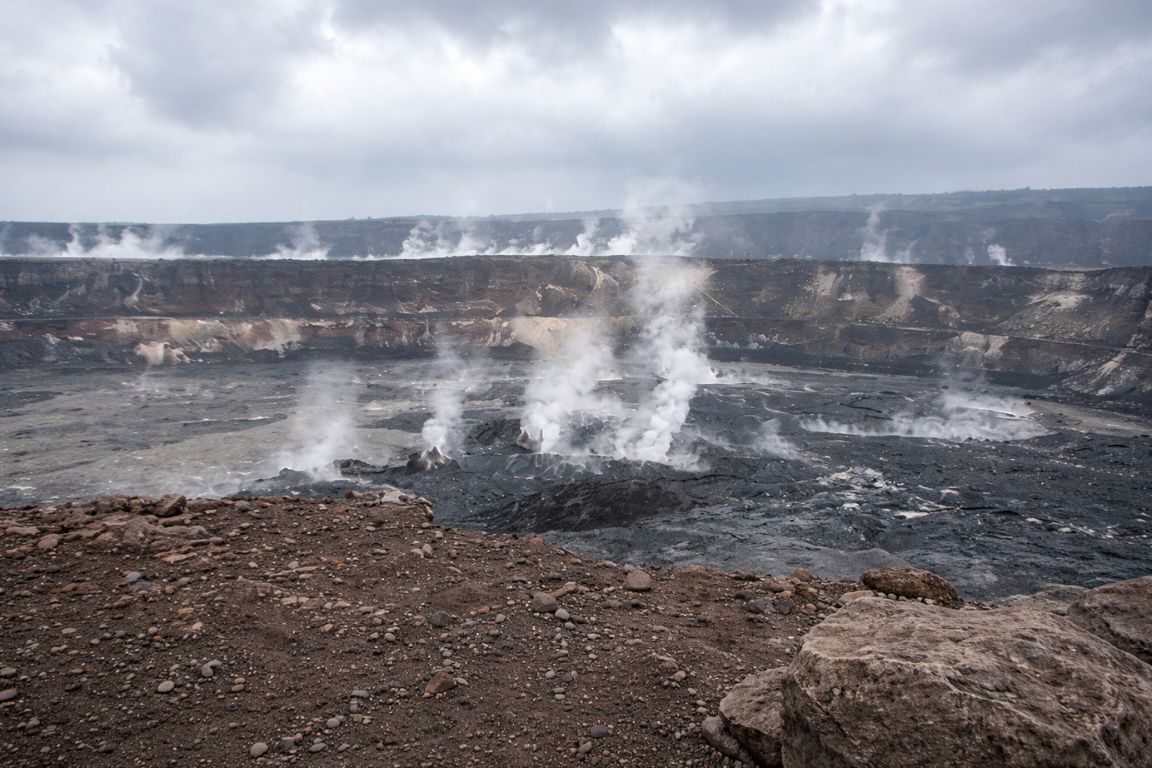 The ideal volcano tour from Hilo arrives at the park between 8-9am, spends most of the day inside, and stays for the crater glow after sunset. Morning gives you thinner crowds, cooler temperatures, and the park at its most peaceful. After dark gives you the single most memorable experience the park offers. Tours that drop visitors off in the afternoon and do not include evening access are leaving the best part out.
Here is what most people do not know going in: the Halema’uma’u crater looks completely different at night. During the day, it is a massive geological feature – impressive, geologically significant, worth seeing. After dark, when Kilauea is in an active eruption episode, it becomes something else entirely. The crater glows orange from below. The gas plume above it reflects the light. On clear nights, the glow is visible from miles away. Standing at the Uekahuna overlook rim in the dark, watching lava illuminate the inside of a caldera the size of a city neighborhood, is the experience that makes people fly back to the Big Island specifically to see it again.
The problem is that many organized tours depart Hilo at 7-8am, spend 4-5 hours in the park during prime daylight hours, and have everyone back at the hotel by 4pm. They never see what the park is at night. This is the most consistent regret we hear from travelers who did not book a tour that included evening access, and among the clearest advantages of staying in Hilo rather than doing the park as a day trip from Kona.
For timing within the park during daylight: parking lots at the main overlooks fill by around 10am on busy days. If you want the crater rim to yourself, arrive before 9am. If you arrive after noon during summer or holiday periods, plan to be patient at the popular stops or take the Chain of Craters Road south where crowds thin out. Ranger-led walks depart from the visitor center area at various times daily – check the schedule posted at the Kilauea Military Camp (which is currently serving as the visitor information hub during the main visitor center renovation).
Trying to figure out the sweet spot between crowds and weather on the Big Island? Check out our best time to visit Hilo tours guide before you lock in your dates.
What Should You Bring on a Volcano Tour from Hilo?
The volcano sits at 4,000 feet elevation and runs 10-15°F cooler than sea-level Hilo year-round. The single most common complaint from first-time volcano visitors is being cold, especially at night. Bring a fleece or light jacket regardless of the season, closed-toe shoes with grip for lava rock surfaces, and a rain layer. Volcanic gases can aggravate respiratory conditions. Follow ranger advice and current air-quality guidance; do not rely on a face mask to make a polluted area suitable to visit.
Shoes deserve their own paragraph. Lava rock is unforgiving. Fresh ‘a’a lava fields – the rough, chunky kind – will shred flip flops and destroy fabric sneakers. Even on paved park roads and established trails, the ground is uneven and the lava rubble at the edges is sharp. Wear closed-toe shoes with real grip. Running shoes work fine for most park trails. Actual hiking boots are better for the Kilauea Iki trail and anything that takes you off the paved surface.
Water and snacks matter more than people expect. The park has minimal food options – the Volcano House restaurant inside the park, and very little else. If your tour does not include lunch, plan ahead. Bring at least two liters of water per person. The 4,000-foot elevation and volcanic air can be dehydrating in ways that sneak up on people who are used to beach-level Hawaii conditions.
For the helicopter portion of any tour: wear dark, solid-colored clothing (dark shirts reduce window glare in photos), avoid loose items that could fly away, and do not wear strong perfume or cologne in a small enclosed cabin. Check in 30 minutes before your flight. The FAA requires all passengers to be weighed – this is standard and non-negotiable. Passengers over 240 pounds typically need to purchase a comfort seat at 50% of the regular fare to meet aircraft weight and balance rules.
| Fleece or light jacket | Summit runs 10-15°F cooler than Hilo; cold at night | Essential |
| Closed-toe shoes with grip | Lava rock surface is sharp and uneven; no flip flops | Essential |
| Rain jacket or poncho | Park sits in a rainforest zone; weather changes fast | Essential |
| 2+ liters of water per person | Elevation + volcanic air is dehydrating; limited water in park | Essential |
| Snacks or lunch | Minimal food in park; guided tours sometimes provide | Recommended |
| N95 or quality mask | Vog (volcanic gas) can irritate airways, especially for sensitive individuals | Recommended for sensitive visitors |
| Headlamp or flashlight | Critical for after-dark crater viewing; parking lots and trails are unlit | Essential for evening visits |
| Camera (not just phone) | Night crater glow is hard to capture on phones; dedicated camera produces far better results | Optional but strongly recommended |
| Pre-purchased park pass | Cash not accepted; cell service poor at entrance | Essential if self-driving |
Check NPS.gov/havo and USGS Hawaiian Volcano Observatory before departure for current conditions, trail closures, and vog levels. Verified April 14, 2026.
What Do First-Timers Always Get Wrong About Volcano Tours?
 The most common mistake is treating the volcano as a daytime checkbox rather than an experience that unfolds over hours, including after dark. The second most common is expecting to see flowing lava as a guaranteed outcome and feeling disappointed when a tour does not deliver it. Active eruption episodes happen – Kilauea has had 44 since December 2024 – but they also pause. What the park always delivers, erupting or not, is one of the most geologically and culturally significant places on Earth. The guides who understand this frame the experience accordingly.
Booking a tour that ends before dark. We have addressed this, but it cannot be overstated. The Halema’uma’u crater glow at night is categorically different from a daytime visit. Any tour that gets you back to Hilo before sunset has not shown you the park’s best offering. The park is open 24 hours. There is no reason to leave before the light changes.
Expecting guaranteed lava flow. Active lava viewing is one of the most spectacular things on Earth when it happens. It also pauses between eruption episodes. No responsible tour operator can guarantee it. What they can guarantee is a guide who knows the current status, adjusts the itinerary accordingly, and makes the park extraordinary whether the crater is actively fountaining or sitting quiet between episodes.
Wearing the wrong shoes. Every season, first-time visitors show up in flip flops or canvas sneakers for what they assume will be a paved-path nature walk. Parts of the park are paved. A lot of it is not. The Kilauea Iki trail descent takes you across a crater floor of raw lava rock. The Chain of Craters Road pullouts drop you onto lava rubble. Protect your feet.
Arriving without a park pass. The park entrance no longer accepts cash. You need a credit card or a pre-purchased digital pass from Recreation.gov. Cell service at the park entrance is spotty. Showing up without a pass and without reliable phone service to buy one digitally has stranded travelers more than once. Buy it the night before from wifi.
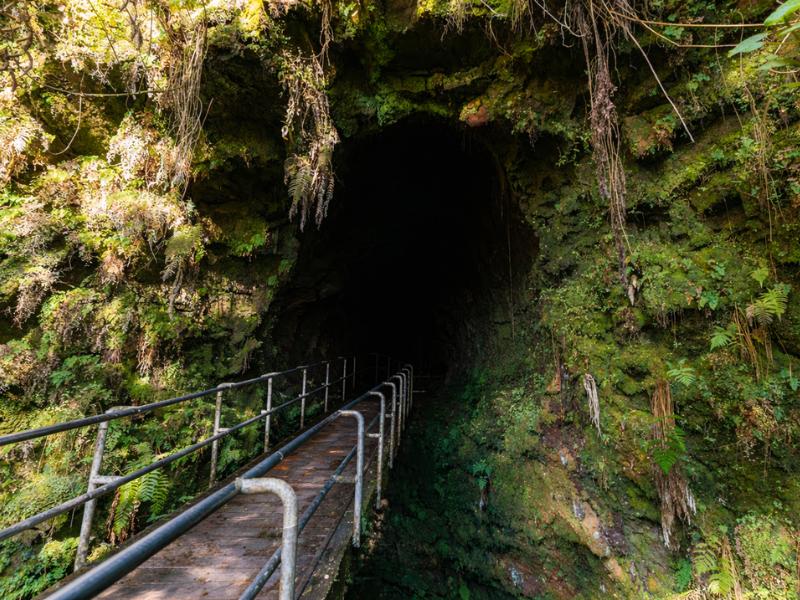
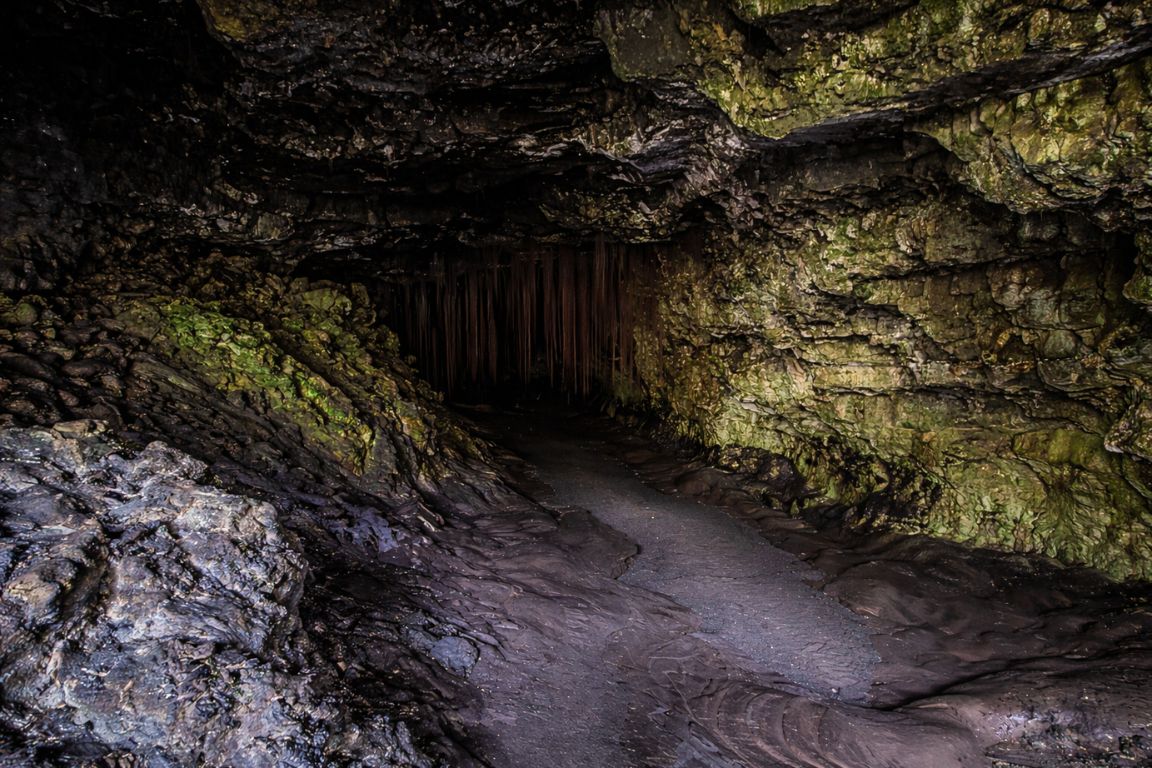
Skipping the lava tube. Nahuku (Thurston Lava Tube) is one of the most accessible and genuinely spectacular geological formations in the park. A 700-year-old lava tube you can walk through, formed when the outer surface of a lava flow cooled and hardened while molten rock continued flowing beneath. Most tours include it. If yours does not, ask why.
Not telling the guide about respiratory sensitivities. Vog from Kilauea’s sulfur dioxide emissions can be a real health concern for people with asthma, cardiovascular conditions, or other sensitivities. Good operators check vog conditions before departure and have protocols for sensitive guests. If you or someone in your group has a respiratory condition, mention it when booking – not when you arrive at the crater rim feeling unwell.
First time exploring Hawaii’s wildest and wettest corner? Here’s our best Hilo nature tours guide so you make the most of what the rainforest side has to offer.
Still working out logistics? Send the Hilo Tours team a question directly, or review the Hilo day tour for inclusions and current dates.
Frequently Asked Questions
How far is Hawaii Volcanoes National Park from Hilo?
About 30 miles, or roughly 30-40 minutes on Highway 11. This is one of the primary advantages of staying in Hilo – the drive is simple and short, which makes it easy to arrive early, stay late, and return for the after-dark crater glow without a grueling highway commute.
Is Kilauea currently erupting?
As of April 2026, yes, Kilauea has been erupting episodically since December 23, 2024, with 44 active episodes logged through April 9, 2026. However, eruptions pause between episodes, so active lava viewing on any given day is never guaranteed. Always check the USGS Hawaiian Volcano Observatory (hvo.wr.usgs.gov) and NPS conditions page (nps.gov/havo) before your visit.
Are volcano tours from Hilo cheaper than from Kona?
For a volcano-focused helicopter flight, yes. The Hilo airport is much closer to Kilauea, so a Hilo-based volcano flight needs less air time than an equivalent-coverage tour flying in from Waikoloa or Kona, and pricing generally reflects that. A full-island overview flight from Waikoloa will still cost more than any single-region Hilo flight, but that is comparing a longer, broader tour to a shorter, focused one, not the same product at two prices. Land-based guided tours from Hilo are also typically cheaper than those from Kona because there is no 90-minute drive each way built into the cost.
Can I visit Hawaii Volcanoes National Park without a tour?
Yes. The park is a National Park – self-driving is completely standard and many visitors prefer it. You pay $30 per vehicle (credit card only, valid 7 days), drive in, and explore at your own pace. Buy your pass in advance through Recreation.gov because cell service near the entrance is unreliable. The park is open 24 hours. Rangers at the visitor information hub (currently at Kilauea Military Camp during renovations) are excellent sources of current information.
How Many Days Do You Need at Hawaii Volcanoes National Park?
Most visitors see the highlights in a single day: 6-10 hours covers the crater rim overlooks, Chain of Craters Road, the Nahuku lava tube, and the after-dark glow if you stay late enough to catch it. That is what most Hilo-based tours run, and it is enough for a first visit. If you want to hike deeper trails, watch the crater at both sunrise and after dark, or wait out cloud cover for a clear summit view, a second day gives real breathing room. Very few travelers need three days – the park is large on the map, but the visitor-accessible core is compact enough to cover thoroughly in one well-planned day.
What is the best helicopter tour from Hilo?
Two real options depart from Hilo, both bookable directly on this site: a 1-hour flight over Kilauea’s caldera and Pu’u ‘O’o (around $406 per person), and a separate 1-hour flight over Waipi’o Valley and the Kohala coast waterfalls (around $511 per person). Front seats can often be reserved for an additional fee. Book well in advance during peak months – these tours sell out. Our Hilo helicopter tours comparison breaks down which one suits which trip.
What should I wear on a volcano tour?
Layers are non-negotiable. The summit sits at 4,000 feet and runs 10–15°F cooler than sea-level Hilo. Bring a fleece or light jacket, a rain layer, and closed-toe shoes with real grip. No flip flops on lava rock. For after-dark crater viewing, add a headlamp – parking lots and trail edges are unlit. Volcanic gases can aggravate respiratory conditions. Follow ranger advice and current air-quality guidance; do not rely on a face mask to make a polluted area suitable to visit.
Hilo Tours has been guiding travelers into Hawaii Volcanoes National Park since 2014.