How to Plan a Trip to Hilo
Is Hilo worth visiting? Discover when to go, what to expect from the weather, costs vs Kona, and why this lush side of the Big Island is completely different.
Last updated: August 9, 2026
Is Hilo, Hawaiʻi Worth Visiting?
Yes. Hilo is the only Big Island base that puts you 30 minutes from an active volcano, inside a rainforest instead of a resort strip, and a short drive from waterfalls most Kona-based visitors never see. It is not the right base for someone who wants guaranteed sun and white-sand beaches every day – that traveler should stay in Kona. But for the volcano, the waterfalls, the farmers market, and a version of Hawaii that has not been built entirely around tourism, Hilo earns the visit on its own, not just as a stopover on the way to Kona.
The most common regret we hear is not from travelers who went to Hilo. It is from travelers who skipped it, based it entirely in Kona, and did the volcano as a rushed 3-hour-each-way day trip that missed the after-dark crater glow. If Hawaii Volcanoes National Park, waterfalls, or an authentically local town are anywhere on your list, Hilo justifies at least 3-4 nights of a Big Island itinerary.
Hilo Quick Facts
| Location | East side of Hawaii’s Big Island (windward coast) |
| Airport | Hilo International Airport (ITO) – most flights connect via Honolulu |
| Recommended Stay | 4-5 days minimum; 7 days to do it properly |
| Best Months | April–June and September-October (driest, fewest crowds) |
| Average Rainfall | ~130 inches/year near shore; rain falls most days in some form |
| Average Temperature | 70-83°F year-round; rarely below 60°F or above 86°F |
| Car Rental | Essential – budget $50–80/day |
| Volcanoes NP Entry | $30/vehicle, $15/pedestrian – valid 7 days (Verified April 14, 2026) |
| Mid-Range Hotel | $130-$250/night (significantly less than Kona) |
| Park Hours | Hawaii Volcanoes National Park open 24 hours; Visitor Center 9am-5pm daily |
Prices verified April 14, 2026
What Is Hilo Actually Like (And Is It Right for You)?
Hilo is the Big Island’s soul – raw, green, and unapologetically wet. It is the closest Hawaiian town to an active volcano, home to some of the island’s best waterfalls and farmers markets, and one of the few places in Hawaii that still feels genuinely local. If you are looking for white sand beaches, mai tais by the pool, and resort staff who remember your name, Hilo will disappoint you. If you want the real thing, it won’t.
The first thing most people notice when they land at Hilo International is how green it is. Not tropical-brochure green – we mean close-your-eyes-and-breathe-the-air green. The town receives around 130 inches of rain per year near the shoreline, and even more as you head toward the hills. That rain feeds everything you came to see: the waterfalls, the ferns, the botanical gardens, the lush walls of vegetation that line every road heading south toward the volcano.
The second thing people notice is the pace. Hilo moves slower than Kona. Downtown has old plantation-era storefronts, a farmers market that draws locals on Wednesday and Saturday mornings, and a waterfront park where people actually sit and read. There are no massive resorts. No luau packages plastered on every corner. Hilo has a university, a functioning working-class community, and decades of history tied up in two devastating tsunamis that reshaped the bay you see today.
It is a town that earns your affection slowly.
Who is Hilo right for? Hikers, nature people, families who want to teach their kids something real, couples who want the Big Island experience without spending Kona resort money, and anyone whose bucket list includes standing near an active volcano. Who should probably stay in Kona instead? Sun-seekers, beach-first travelers, and anyone who will feel let down if it rains on day two.
It almost certainly will rain on day two. The key is learning not to care.
If you’d rather hand the logistics to a guide, the Hilo day tour of volcanoes, waterfalls, and black sand beaches covers the main east-side stops in about 7 hours.
When Is the Best Time to Visit Hilo, Hawaii?
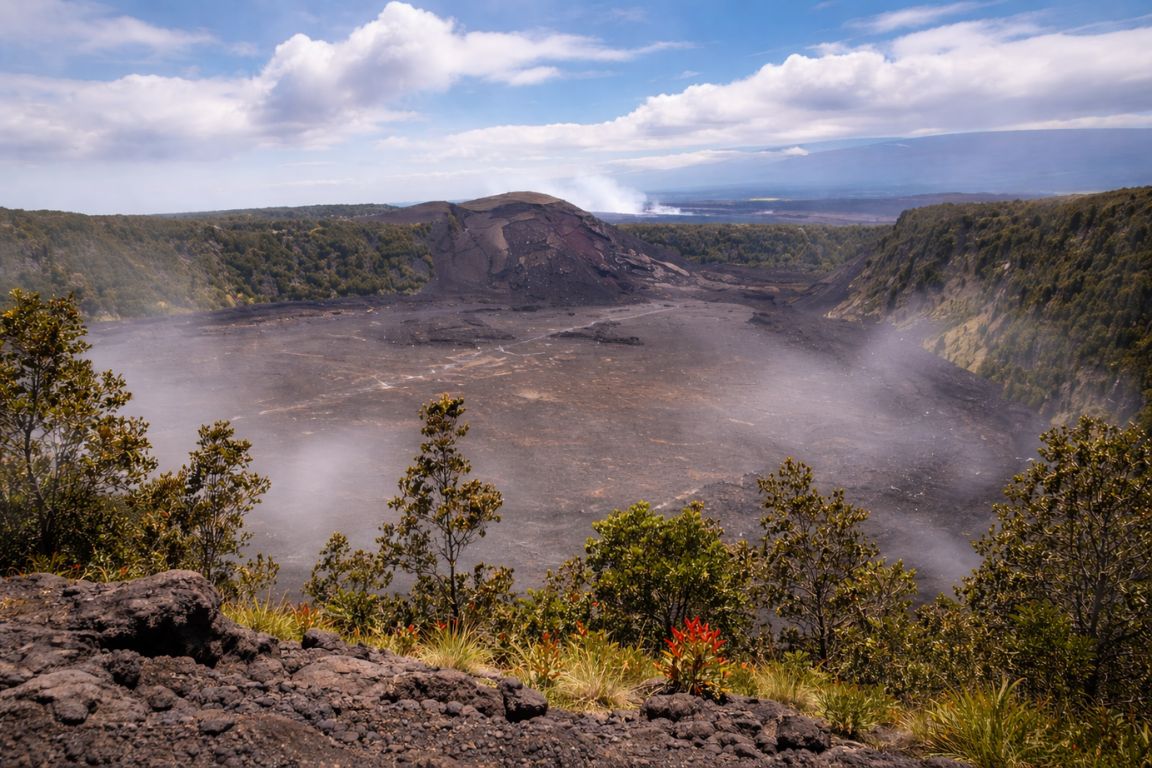 The shoulder seasons – late April through June and September through October – give you Hilo at its most manageable. Rain is lighter, prices are lower, and the popular sites have breathing room. Summer (July-August) brings peak crowds and higher costs. Winter (November-March) is genuinely wet, especially November and March, which are Hilo’s rainiest months on average.
Here is the thing about Hilo’s weather that most guides won’t say plainly: there is no truly dry season. The town sits on the windward (east) side of the island, which catches everything the trade winds push in off the Pacific. It rains somewhere in the Hilo area on roughly 275 days a year. What changes between seasons is how much it rains, and when.
June is Hilo’s driest month, averaging a little over 7 inches of rainfall. November is the wettest, with nearly 16 inches. But those numbers matter less than the pattern: rain in Hilo tends to come in quick, heavy bursts, often in the afternoons and overnight, not all-day downpours. Mornings are frequently clear. You plan early, move fast, and stay flexible.
Hilo Month-by-Month: What to Expect
| Jan-Feb | Heavy rain; coolest temps (~73°F avg) | Low-moderate (winter escape crowd) | Budget friendly; bring rain gear |
| March | Wettest month of the year | Low | Avoid if possible |
| April-May | Rain easing; lush and vivid | Low-moderate | Sweet spot |
| June | Driest month; most sunshine hours | Moderate (summer building) | Best weather window |
| July-Aug | Warm, rain increases slightly | Peak (school summer break) | Great conditions, expect crowds |
| September | Most sunshine hours of any month; drier | Low (post-summer drop) | Hidden gem month |
| October | Warm, some rain returning | Low-moderate | Strong shoulder option |
| Nov-Dec | Rain increases significantly | Moderate-high (holidays) | Higher prices, wetter days |
Data sourced from climate records and NOAA station data. Verified April 14, 2026.
One thing experienced Hilo visitors have learned: if you want to see the Kilauea crater glow at night, plan that for later in your trip rather than your first night. Night views require clear skies, and the park sits at roughly 4,000 feet elevation. Summit cloud cover can roll in fast. When you have multiple nights, you have multiple chances to catch it right. First-timers who show up for a single night often get clouded out and leave disappointed. Guides who have done this hundreds of times know to build the itinerary around that variability.
Want to know which months give you the best experience in Hilo? Here’s our best time to visit Hilo tours guide so you don’t book the wrong time of year.
How Many Days Do You Need in Hilo?
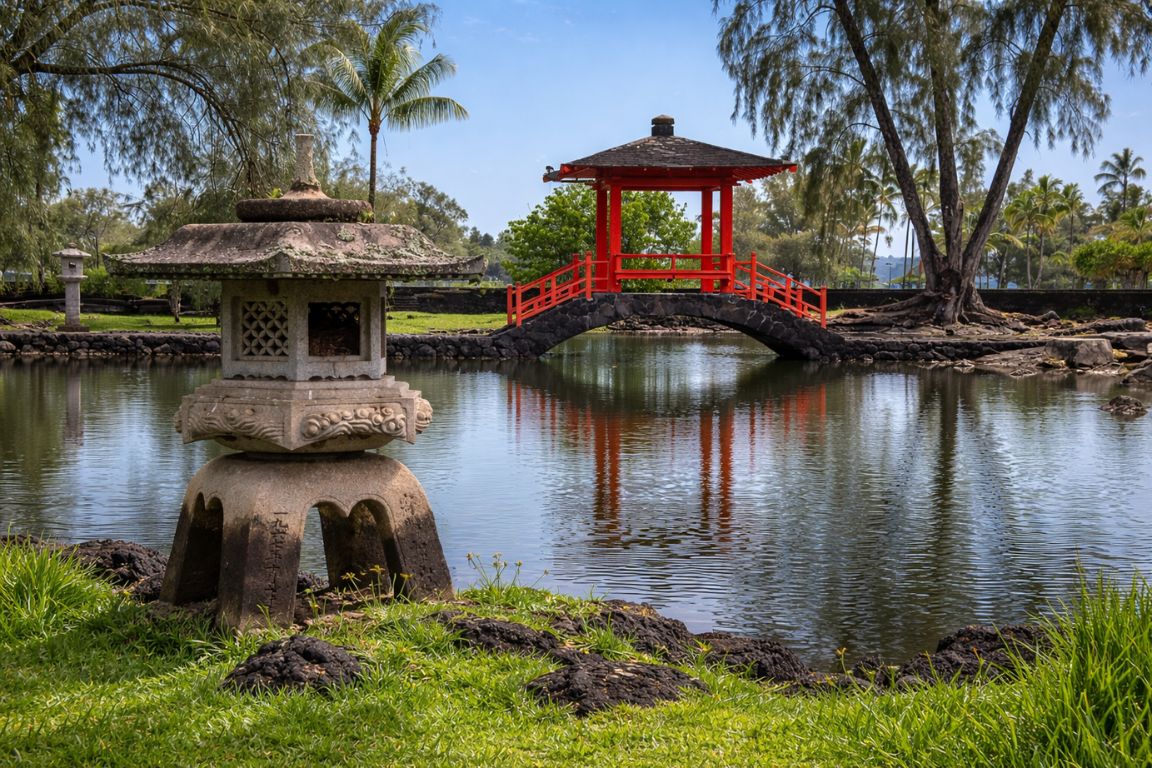 Four days is the bare minimum to cover Hilo’s main sites without feeling rushed. Five to seven days is the range where the trip starts to breathe – where you can absorb a full volcano day, explore the Hamakua Coast, hit the farmers market twice, and still have a slow morning with coffee and nothing to prove. Day-trippers miss most of what makes Hilo worth the flight.
The Big Island is genuinely large – over 4,000 square miles. Getting between places takes longer than people expect. Hawaii Volcanoes National Park alone is worth a full day, and that is if you don’t hike anything serious. Akaka Falls is a 35-minute drive north. The Hamakua Coast scenic route from Hilo to Waipio Valley Lookout takes at least a half day. Then there’s the farmers market, the ‘Imiloa Astronomy Center, Liliuokalani Gardens, Rainbow Falls, the black sand beaches – the list builds fast.
Four days, you’ll see the headlines. Five to seven days, you’ll start to feel the place. If you’re combining Hilo with Kona (which we often recommend for two-week itineraries), a common split is 3-4 nights on the Hilo side and 5-7 on the Kona side. Hilo side first, then move west. You’ll leave with the more relaxed memory.
How Do You Get to Hilo and Do You Need a Rental Car?
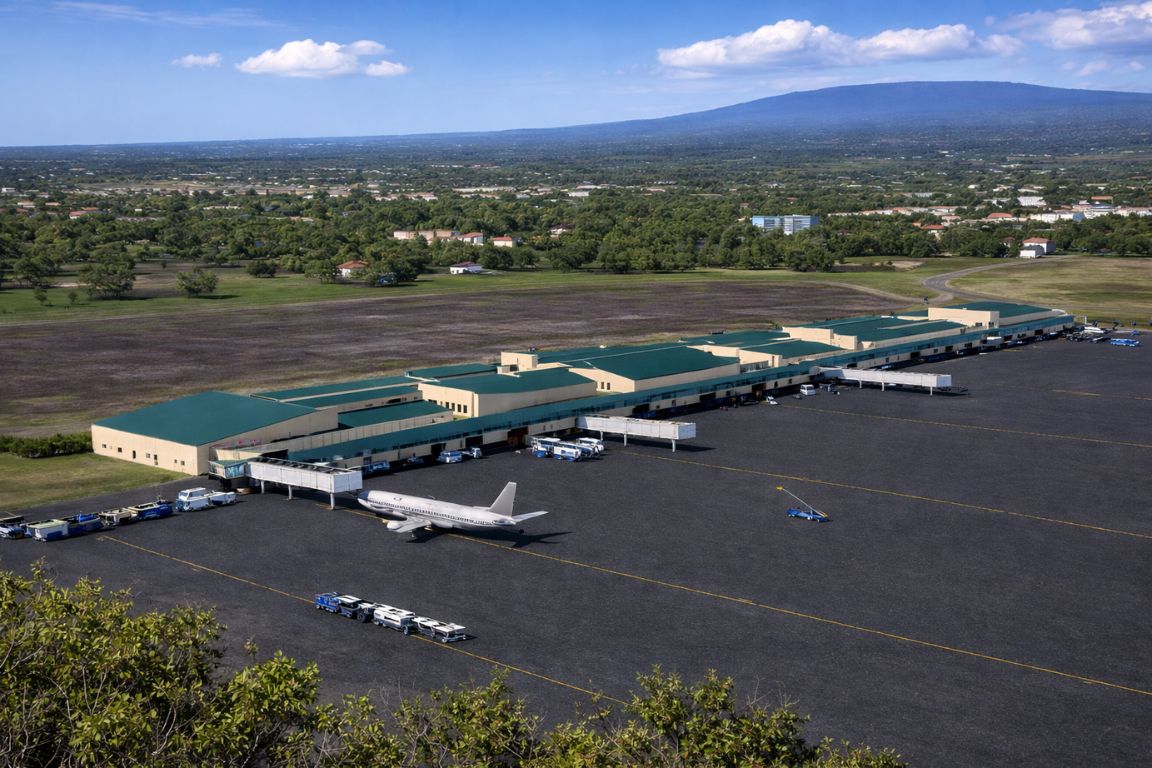 Most mainland travelers fly to Hilo via a connection in Honolulu – there are limited direct routes from the US mainland. From Hilo airport, a rental car is non-negotiable. The island has public bus service (Hele-On Bus), but routes are infrequent and the service area doesn’t cover the places that matter most. Budget $50-80 per day for a standard rental car, and book early – availability tightens fast during peak months.
Kona International (KOA) gets significantly more direct flights from the mainland than Hilo International (ITO). If your itinerary is Hilo-focused, you can still fly into Kona and drive the 90-minute to two-hour scenic route across the island to Hilo. That drive through the lava fields – passing Mauna Kea, watching the landscape shift from barren black rock to tropical green – is worth doing at least once.
Flying directly into Hilo is usually easier, just expect the connection through Honolulu. Hilo airport is small and refreshingly low-stress. Rental car counters are right there. You can be on the road within 20 minutes of landing.
About that rental car: download offline maps before you leave the airport. Cell coverage drops in and out around the volcano and on some coastal routes. And check your credit card’s rental coverage before paying extra for the rental company’s insurance – many cards cover collision damage on standard rentals in the US, including Hawaii.
Where Should You Stay in Hilo?
Hilo’s accommodation options are limited compared to Kona, but that is part of the appeal – prices are lower, the vibe is more local, and you’re closer to the things that actually matter on this side of the island. Most travelers stay in downtown Hilo for central access, or near Volcano Village for serious park-goers. Mid-range hotels average $130-$250 per night. Budget options start around $100.
There are no mega-resorts in Hilo. What you get instead are comfortable mid-range hotels with real character, a handful of solid B&Bs, and vacation rentals that give you a kitchen and the feeling of actually living somewhere rather than passing through. The Grand Naniloa Hotel (a DoubleTree by Hilton) is the closest thing Hilo has to a full-service hotel, with bay views and an on-site restaurant. The SCP Hilo Hotel is newer, cleaner, and sits close to the waterfall loop. The Inn at Kulaniapia Falls is a personal favorite of many of our guided travelers, it sits on its own private waterfall property, has a hot tub, and feels removed from everything in the best possible way.
Volcano Village, about 30 minutes south of Hilo town, is worth considering if Hawaii Volcanoes National Park is your main focus. Properties there cluster around the park entrance and tend to offer cozy, rainforest-immersed stays. Just know you’ll be driving to town for food and activities, so factor that into your daily planning.
| Budget hotels/hostels | $72-$130 | Solo travelers, backpackers |
| Mid-range hotels (Hilo) | $130-$250 | Couples, most travelers |
| Vacation rentals / B&Bs | $120-$280 | Families, longer stays |
| Volcano Village lodges | $119-$200 | Park-focused travelers |
| Hilo “luxury” (3-star max) | $250-$315 | Amenity-focused visitors |
Prices verified April 14, 2026. Peak season rates (July-August and December-January) can rise 30-60% above base rates. Hawaii TAT of 10.25% and GET of 4% are added to all accommodation costs.
One pattern we’ve seen consistently across our traveler groups: people who stay downtown walk to the farmers market, stumble into things they didn’t plan, and end up loving Hilo more than they expected. People who stay far out and drive in each day feel like they’re visiting a place rather than being in one. Proximity matters here.
What Should You Do in Hilo? (Top Experiences by Type)
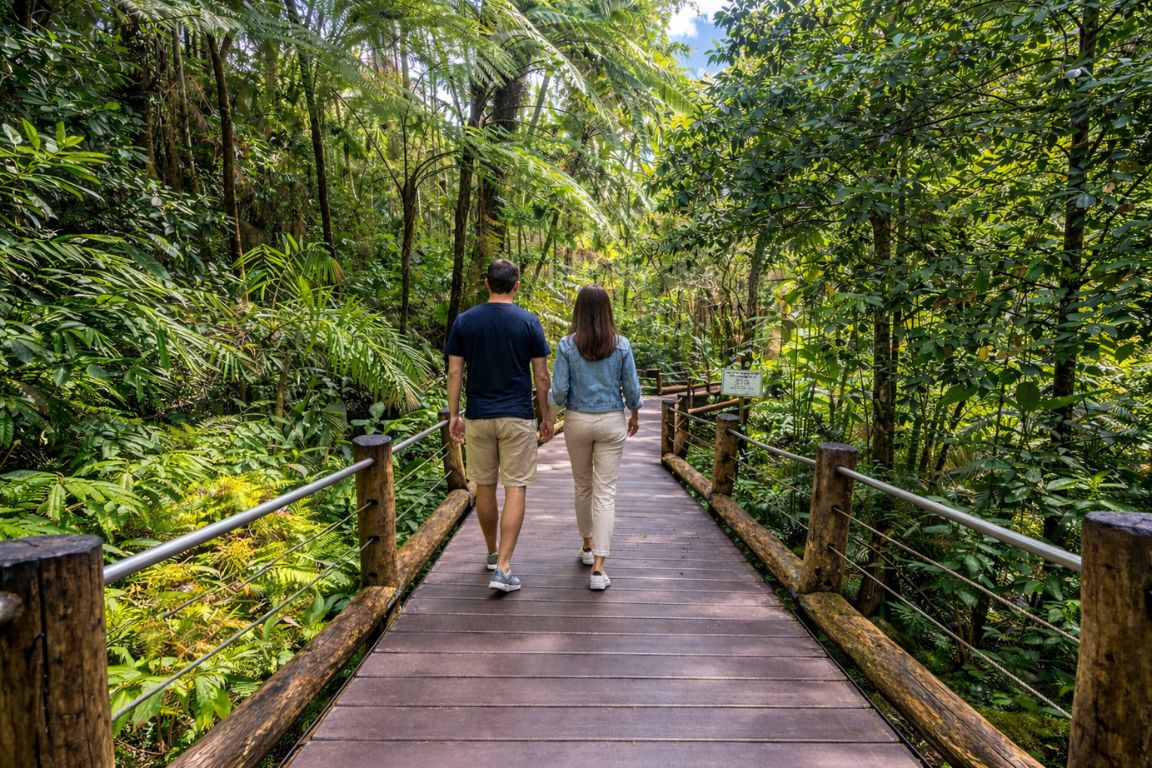 Hilo’s experience menu runs deep: active volcano access 30 minutes from downtown, waterfalls within 5 minutes, world-class botanical gardens, the Big Island’s best farmers market, black sand beaches, lava tubes, helicopter tours, astronomy centers, and a Pacific Tsunami Museum that will stop you cold in the middle of downtown. The challenge is not finding things to do. It is choosing what to leave out.
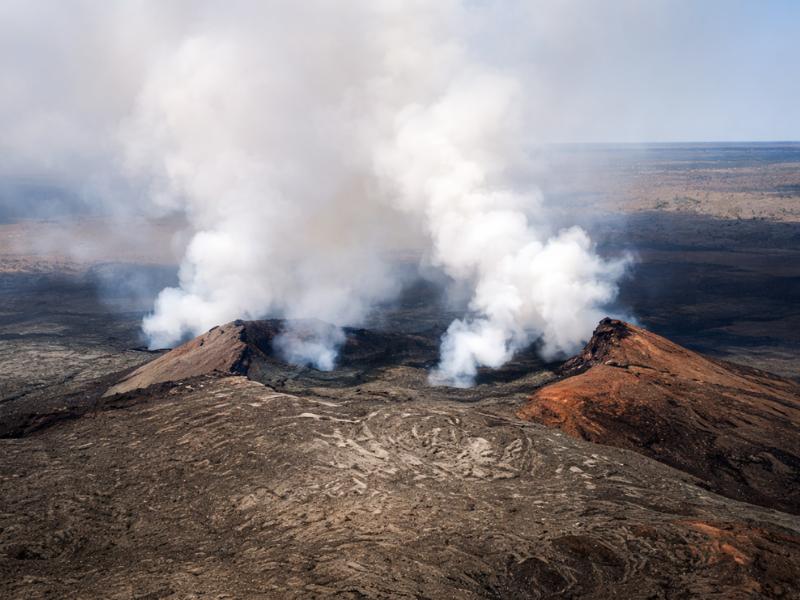
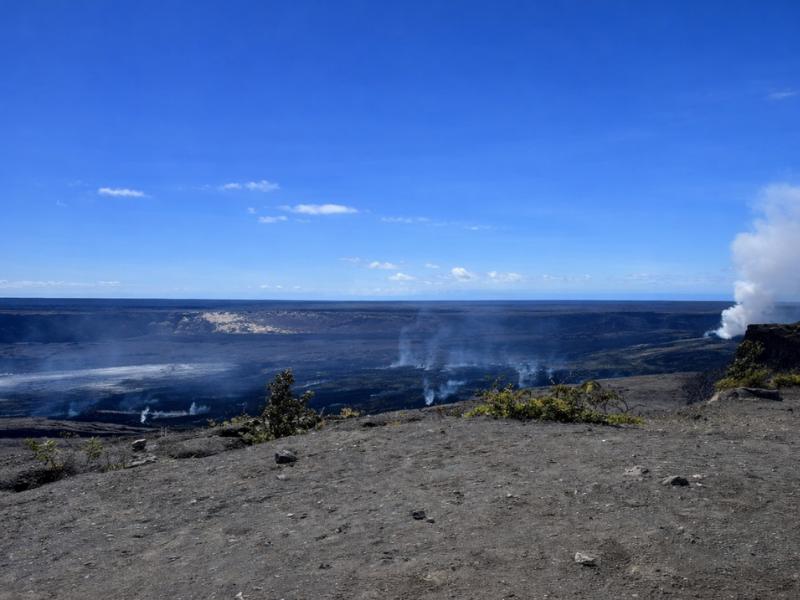
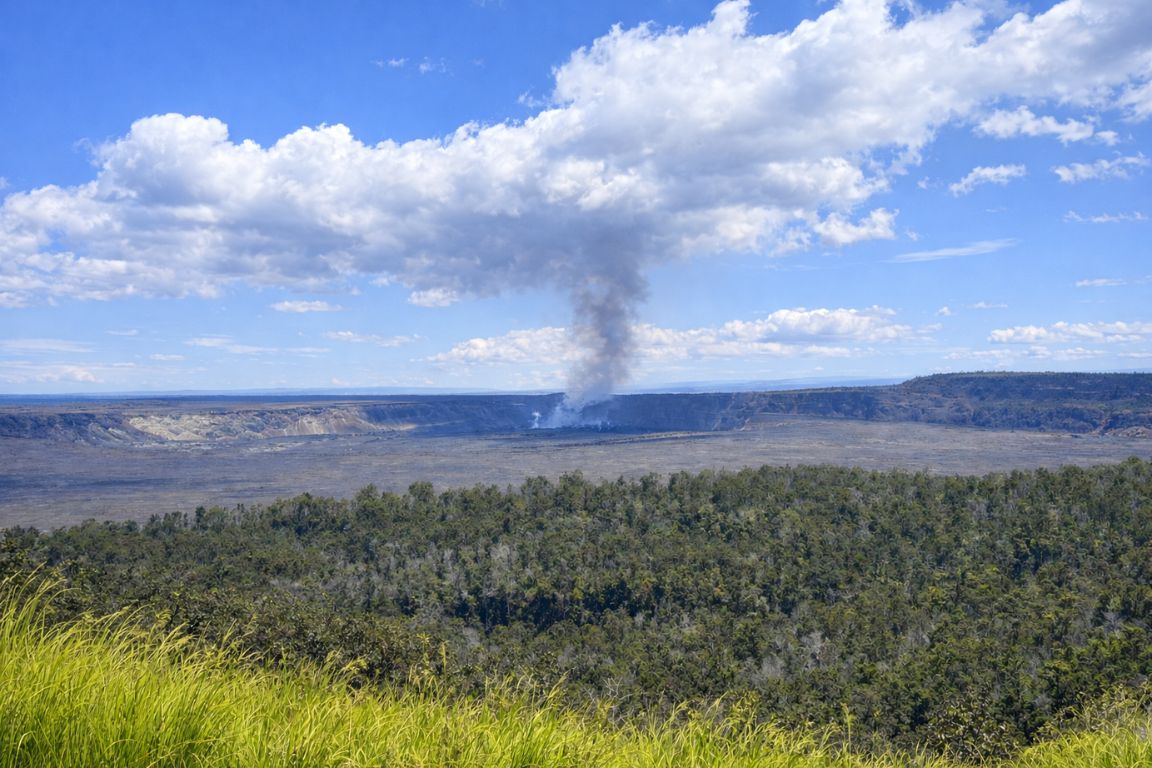
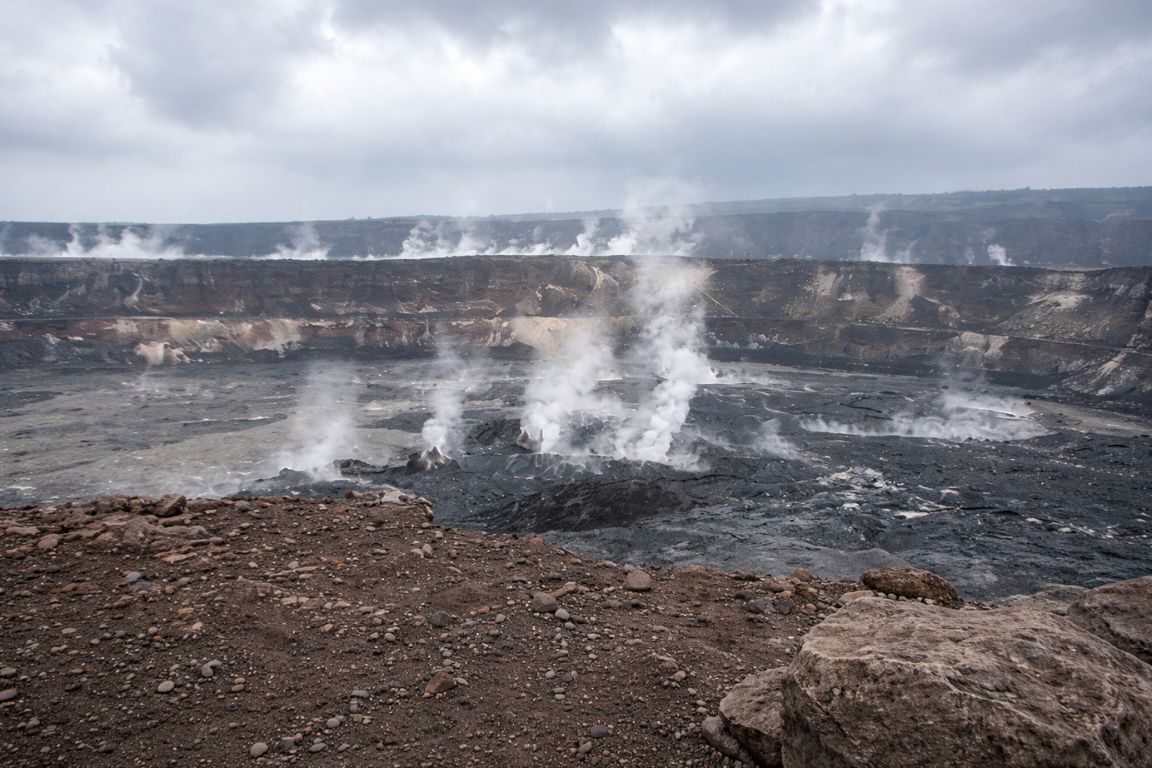
The anchoring experience for most visitors is Hawaii Volcanoes National Park, and it should be. The park sits about 30 miles south of Hilo and encompasses both Kilauea, one of the most active volcanoes on Earth, and the massive Mauna Loa. Entry is $30 per vehicle (valid 7 days) and the park runs 24 hours, which matters because the Halema’uma’u crater glow at night is a completely different experience than anything you’ll see in daylight. Bring a warm layer for summit visits – at 4,000 feet elevation, temperatures drop and conditions shift without warning.
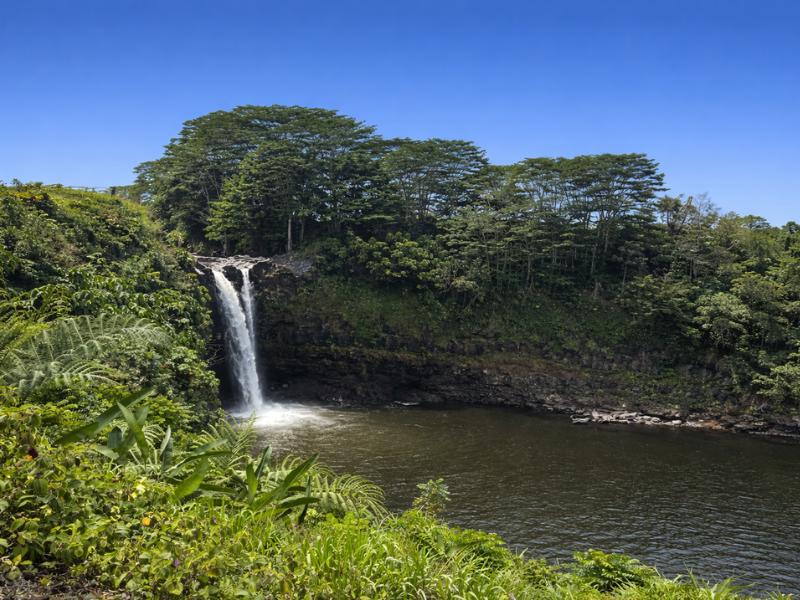
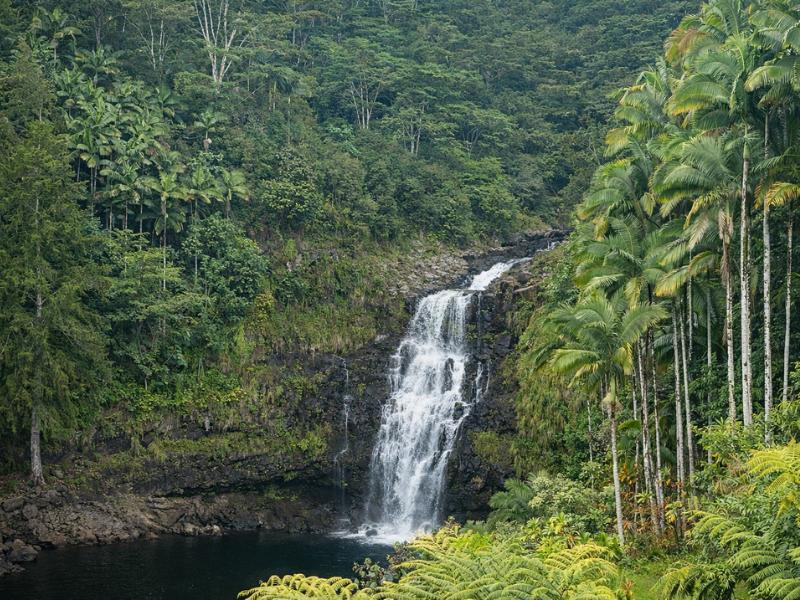
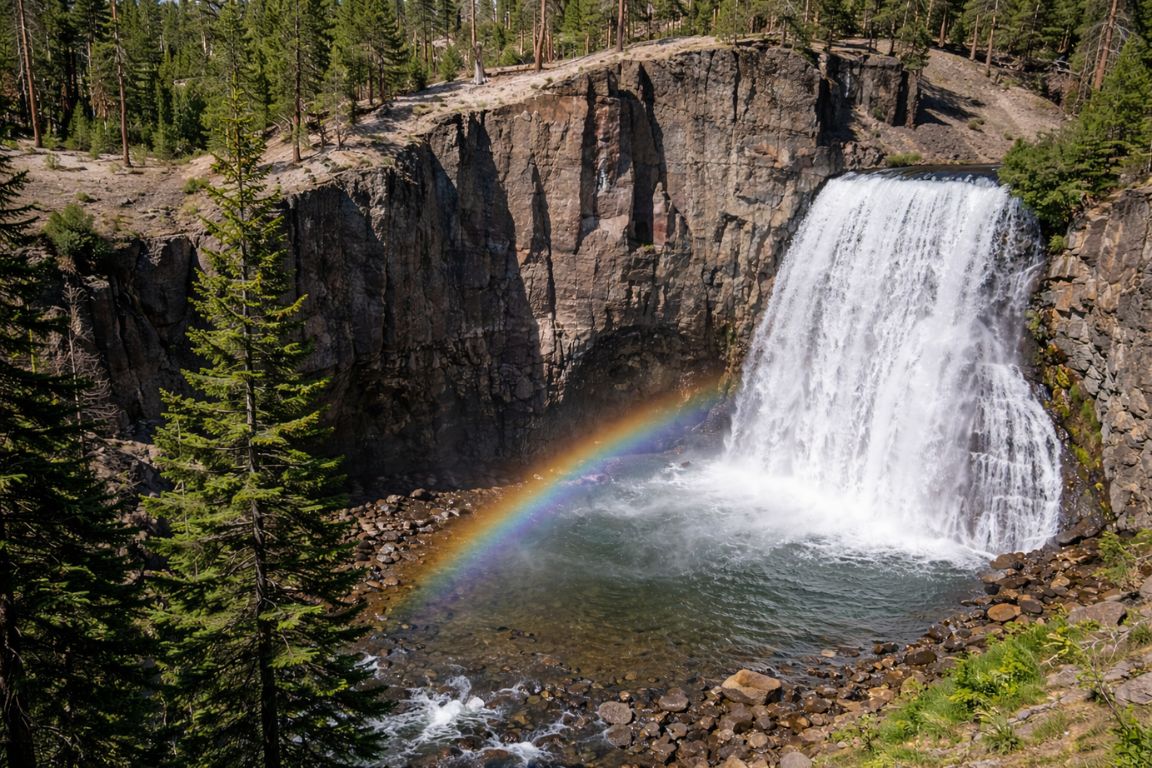
Waterfalls: Rainbow Falls is five minutes from downtown Hilo- free, beautiful, and genuinely worth the five-minute walk. ‘Akaka Falls, about 35 minutes north in ‘Akaka Falls State Park, is 442 feet of waterfall at the end of a stroller-accessible loop trail. Do both on the same day. Go early. The light is better and the parking doesn’t require patience.
Visiting Hilo and want to make waterfalls a proper part of your trip? Here’s our best waterfalls near Hilo tours guide so you don’t miss the standouts.
Culture and markets: The Hilo Farmers Market runs its full version on Wednesday and Saturday mornings with 200+ vendors. Get there before 9am if you want the good stuff. The ‘Imiloa Astronomy Center connects Hawaiian navigation traditions with modern telescope science – far more interesting than it sounds on paper, and excellent for kids. The Pacific Tsunami Museum downtown is genuinely moving and important for understanding Hilo’s history and geography.
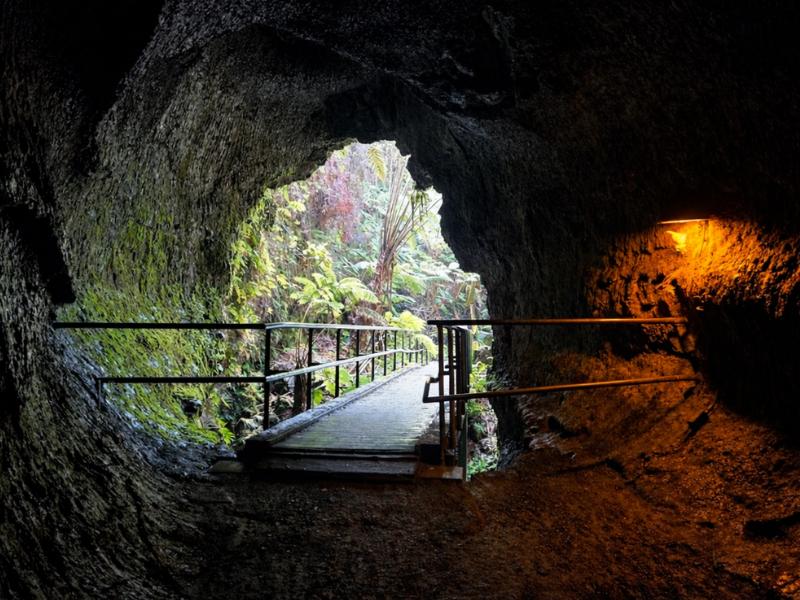
Coast and nature: The Hawaii Tropical Bioreserve and Garden ($20 entry) is 15 minutes north of Hilo along the Hamakua Coast and takes you through streams, ocean lookouts, and tropical foliage unlike anything you’ll find elsewhere. Kaumana Caves – a free lava tube park – lets you descend into a skylight opening of a 25-mile-long lava tube from the 1881 Mauna Loa eruption. Bring a headlamp. Bring shoes with grip. Leave nothing you don’t want to lose in the dark.
Wondering which nature tours combine multiple ecosystems in a single day? This best Hilo nature tours guide covers the options most Big Island itineraries don’t even mention.
Helicopter tours: Tours departing from Hilo airport are typically cheaper than those from Kona because they reach active lava areas faster. Two real options fly straight from Hilo: a 1-hour flight over Kīlauea's caldera and a separate 1-hour flight over Waipiʻo Valley's waterfalls; our Hilo helicopter tours guide compares them. If a helicopter tour is on your list, book it early in your trip so weather delays don’t strand you without a backup day.
A decade-plus of trial and error is what this list is built from. See the Hawaii Volcanoes National Park safari if you want the park day arranged for you instead.
We’ve put together a full port day breakdown in our Hilo tours cruise day guide so you know exactly what to book and what to skip given your time window.
How Much Does a Trip to Hilo Cost?
 A realistic 5-day Hilo trip for two people runs $2,500-$4,000 all-in, including flights, accommodation, car rental, park fees, meals, and a couple of paid activities. That is meaningfully less than a comparable Kona itinerary, which can easily run $4,500-$7,000 once resort rates and tour markups enter the picture. Hilo is the more affordable Big Island base by a significant margin.
The biggest line items are flights and accommodation. Inter-island connections through Honolulu add cost and travel time compared to Kona. But what Hilo takes back is real: hotel rates average $130-$250 per night versus Kona’s $250-$600+ resort range. Meals from local spots and food trucks run $10-$20 per person. The farmers market is an extremely cheap breakfast. Rainbow Falls is free. The Pana’ewa Rainforest Zoo – which is the only tropical rainforest zoo in the United States, and genuinely excellent – is also free.
| Accommodation (5 nights) | $500-$700 | $800-$1,200 | $1,200-$1,800 |
| Car rental (5 days) | $250-$350 | $300-$450 | $400-$550 |
| Meals (per person/day) | $30-$50 | $50-$80 | $80-$120 |
| Volcanoes NP entry | $30/vehicle | $30/vehicle | $30/vehicle |
| Activities (total) | $50-$150 | $150-$400 | $400-$800+ |
Costs are per trip for 2 travelers over 5 days, excluding flights. Prices verified April 14, 2026. Hawaii TAT (10.25%) and GET (4%) taxes apply to accommodations. Starting January 1, 2026, Hawaii’s Transient Accommodations Tax increased to 11%.
The single best cost-saving move for Hilo? Buy your Volcanoes NP pass online through Recreation.gov before arriving. Cell service near the park entrance is unreliable and the park no longer accepts cash. Showing up without a pass and without service coverage to buy one digitally has stranded more visitors than you’d expect.
Hawaii doesn’t have to be expensive if you know where to look – our Hilo tours on a budget guide breaks down the best affordable experiences on the Big Island.
How Does Hilo Compare to Kona for First-Time Big Island Visitors?
 Kona is where most first-timers land because it offers guaranteed sunshine, white sand beaches, and the full resort experience. Hilo is where the Big Island actually lives – wetter, wilder, more local, and significantly cheaper. They are two different trips. Most visitors who have time for both recommend spending roughly 30% of the Big Island stay on the Hilo side and 70% in Kona. A 10-night visit might look like 3 nights Hilo, 7 nights Kona.
The drive between them takes about 90 minutes to two hours depending on your route. There are two options: the northern route through Waimea, which passes through ranch country and dramatic elevation changes, and the southern route through Volcano, which takes you past the national park entrance. Neither is a quick commute. The island’s size surprises almost every first-time visitor.
Here is how to think about it honestly:
If you are here for beaches, snorkeling, manta ray night dives, and cocktails at sunset – Kona is where that happens. The Big Island’s white sand beaches are almost entirely on the Kona side. The resort infrastructure is there. The majority of dive and snorkel operators work out of Kailua-Kona. Kona is also where the famous coffee farms are.
If you are here for the volcano, waterfalls, lush rainforests, local culture, and a Hawaii that feels like it was built for people who actually live there – Hilo is your base. Hawaii Volcanoes National Park is 30 minutes from Hilo downtown. From Kona, it’s nearly two hours each way. People who do the volcano as a day trip from Kona often arrive tired, rush through it, and leave feeling like they didn’t quite get it. The volcano rewards time and stillness.
| Weather | Frequent rain; lush and green | Sunny and dry most days |
| Beaches | Black/green sand, tide pools, rocky shores | White sand; Big Island’s best swimming beaches |
| Accommodation | Local hotels, B&Bs, no big resorts; $130-$250/night avg | Full resort range; $250-$600+/night avg |
| Volcano access | 30 min to park entrance | ~90 min each way |
| Vibe | Working town; local pace | Tourist-built; resort energy |
| Best for | Nature, volcanoes, budget, culture | Beaches, water sports, resorts, families seeking sun |
The split-stay approach – a few nights Hilo, then move to Kona – is what we recommend for most 7-10 day Big Island itineraries. Start Hilo-side. See the volcano, do the waterfalls, experience the farmers market. Then cross to Kona for the beach days and sunsets. You’ll leave having seen both sides of what this island actually is.
Not sure which side of the Big Island actually suits you better? Here’s our Hilo vs Kona where to stay guide so you can stop going back and forth.
Is Hilo Good for Families with Kids?
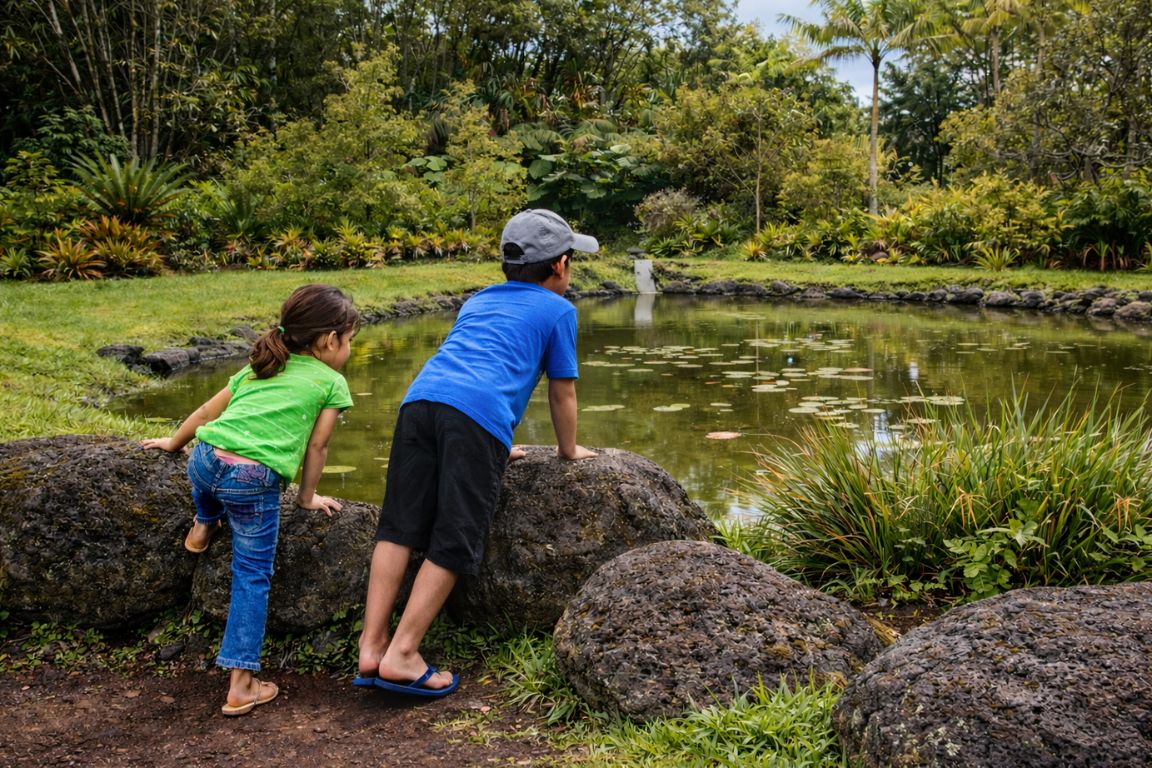 Hilo is one of the best family destinations on the Big Island, and possibly the most underrated one. The free zoo, stroller-friendly waterfall trails, interactive science center, calm swimming beaches, and sheer density of educational experiences make it a place where kids stay genuinely engaged. There are no theme park queues. The wonders are just outside.
Start with the Pana’ewa Rainforest Zoo, because it is free, because it is the only tropical rainforest zoo in the United States, and because children lose their minds over it. Over 80 animal species live here in actual jungle conditions. White Bengal tigers, spider monkeys, a pygmy hippopotamus. The zoo is small enough to do without anyone melting down, but interesting enough that no one wants to leave.
Then there is the ‘Imiloa Astronomy Center, which runs a full-dome planetarium alongside exhibits about Hawaiian navigation and the story of Mauna Kea. The combination – ancient star knowledge and modern telescope science – hits differently when you’re standing in a town that can see both from the same hill. Kids 6 and up tend to be riveted. Admission includes one planetarium show.
‘Akaka Falls State Park has a paved, well-maintained loop trail that is stroller-accessible and fenced along the cliff sections. A 442-foot waterfall at the end of a 30-minute walk is a very good return on investment for families traveling with young children. The Hamakua Coast drive up there has overlooks and stops that keep the drive itself interesting.
For swimming, Onekahakaha Beach Park is the local family favorite – calm, protected, shallow entry, no significant current. It is not a glamorous beach, but it is reliably safe for young children in a way that many Hawaii beaches are not. Richardson Ocean Park nearby has good snorkeling and sea turtles in the shallows.
The Mokupapapa Discovery Center downtown is free and focused on the marine life of Hawaii’s northwestern islands. It has a large aquarium and hands-on displays that hold younger kids well during any afternoon when the weather closes in. Hilo also has Kaumana Caves for older kids who are up for some dark, muddy adventure – you descend into a lava tube and explore in both directions until the cave goes private. Bring headlamps and expect to get a little dirty.
One important note for families: the volcano requires real preparation. The summit sits at 4,000 feet elevation, where temperatures can drop into the 50s and cloud cover rolls in without notice. Small children in shorts and sandals who are fine at sea level will be uncomfortable up there. Pack layers for everyone before you drive to the park, not after you get there.
Bringing the family to the Big Island and not sure what actually works for kids in Hilo? Here’s our Hilo tours with kids guide so you plan a trip everyone enjoys.
What Do First-Time Visitors to Hilo Always Get Wrong?
 The most consistent mistake is underestimating the island’s size and overestimating what a single day can cover. The second most common is flying into Hilo on a day trip or one-night stop, seeing the volcano as a checkbox, and leaving without spending real time here. Hilo gives most of itself to people who stay. It keeps the rest for itself.
Skipping the park at night. Most visitors do the volcano in the afternoon, look at the Halema’uma’u crater in daylight, and leave before dark. The crater glow at night is a completely different experience. It requires good timing, clear skies, and either staying late or planning around a night visit. People who check it off during the day and never come back at night consistently tell us it is the thing they most wish they’d done.
Packing only summer clothes. Hilo at sea level is warm. The volcano summit is not. We have seen travelers in shorts and flip-flops standing on the crater rim at 4,000 feet trying to look interested while actually just cold. Bring a layer. You don’t need a parka – a light fleece and something windproof is enough.
No backup plan for rain. Rain hits during outdoor activities. It happens fast and it clears fast. Travelers who arrive without an indoor option – a museum, the ‘Imiloa Center, lunch in downtown Hilo – end up sitting in their car waiting and wasting time. The farmers market, the Pacific Tsunami Museum, the Lyman Museum, Big Island Candies, and the Mokupapapa Discovery Center are all solid one-to-two-hour indoor experiences that work perfectly on a rainy half-day.
Arriving without a pass for the park. Hawaii Volcanoes National Park no longer accepts cash. You need a credit card or a pre-purchased digital pass. Cell service near the entrance can drop out. Buy the pass in advance through Recreation.gov before you leave for the park, not in the parking lot when your phone has no signal.
Treating Hilo as a side trip from Kona. The round trip from Kona to the park and back eats the whole day, and you arrive having driven three-plus hours before you’ve seen anything. If the volcano is a priority – and it should be – stay in Hilo or Volcano Village for at least two nights. Everything you see from that side will be better, closer, and more memorable.
Not sure which volcano tour actually gets you closest to the action? Check out our best volcano tours from Hilo guide before you commit to anything.
Questions before you commit? Browse the current best nature tours and see which day length fits your stay.
Frequently Asked Questions
Does Hilo Hawaii have good beaches?
Hilo’s beaches are not the white-sand postcard variety – those are mostly on the Kona side. What Hilo has is black sand beaches, tide pools with sea turtles, and calm protected swimming spots like Onekahakaha Beach Park and Richardson Ocean Park. They are excellent for families and snorkelers. If classic beach lounging is your primary goal, base in Kona and make a day trip to Hilo for the volcano and waterfalls.
Is Hilo safe for tourists?
Yes. Hilo is a small working town with a local university community. The usual precautions apply – don’t leave valuables in rental cars, don’t hike remote trails alone at dusk – but Hilo does not have the tourist-pressure friction you sometimes hear about in busier parts of Hawaii. Most travelers describe the local interactions as genuinely warm. Respect the land, follow park rules, and Hilo will treat you well.
Do you need a car in Hilo?
Yes, a rental car is essential. The Hele-On Bus connects downtown Hilo to Hawaii Volcanoes National Park (the #11 Red Line), and downtown itself is walkable. But Akaka Falls, the Hamakua Coast, Kaumana Caves, and most of what makes the Hilo side interesting require a car. Budget $50-80 per day and book in advance, especially for summer and holiday travel windows.
Is Hawaii Volcanoes National Park worth it from Hilo?
It is the primary reason many people visit Hilo. The park entrance is 30 miles (about 30 minutes) from downtown Hilo and the $30 vehicle pass is valid for 7 days, so return visits don’t cost extra. Plan at least one full day, ideally building in a nighttime visit to see the Halema’uma’u crater glow. Kilauea is one of the world’s most active volcanoes and viewing conditions change frequently – check the NPS alerts and conditions page the morning of your visit.
What should I pack for Hilo?
Layers are non-negotiable. The volcano sits at 4,000 feet and temperatures drop significantly. Bring: a fleece or light jacket, something windproof, waterproof shoes or hiking boots, a packable rain jacket, sunscreen (reef-safe), and bug spray for rainforest hikes. The rest of Hilo is warm and casual. Shorts and light clothes for sea-level days, layers for the park.
When does it rain the most in Hilo?
November and March are the wettest months. The driest are June and September. Rain in Hilo tends to come in short bursts – often afternoons or overnight – rather than all-day gray. Most mornings start clear. Plan outdoor activities for morning hours and keep indoor backup options ready for afternoons.