Hilo vs Kona: Which Side of the Big Island Should You Stay On?
Kona vs Hilo? They’re completely different experiences. Compare beaches vs volcanoes, weather, and how to split your stay for the best Big Island trip.
Last updated: May 1, 2026
| Location | East coast (windward) | West coast (leeward) |
| Annual Rainfall | ~130-142 inches/year (downtown) | ~18-27 inches/year (downtown) |
| Nearest resort area | No major resorts | Kona + Kohala Coast resorts |
| Volcanoes NP distance | ~30 min (30 miles) | ~90 min (95 miles) |
| Hotel avg/night | $130-$250 (mid-range) | $250-$600+ (resort range) |
| White sand beaches | Few (mostly black/green sand) | Many (Hapuna, Mauna Kea, etc.) |
| Manta ray night dives | Not available | World-class (Keauhou Bay) |
| Vibe | Local, slower, working town | Tourist-built, livelier evenings |
| Airport | Hilo ITO (mostly via Honolulu) | Kona KOA (more direct mainland flights) |
| Drive between them | 90 min-2.5 hours depending on route |
Prices verified April 14, 2026
What Is the Real Difference Between Hilo and Kona?
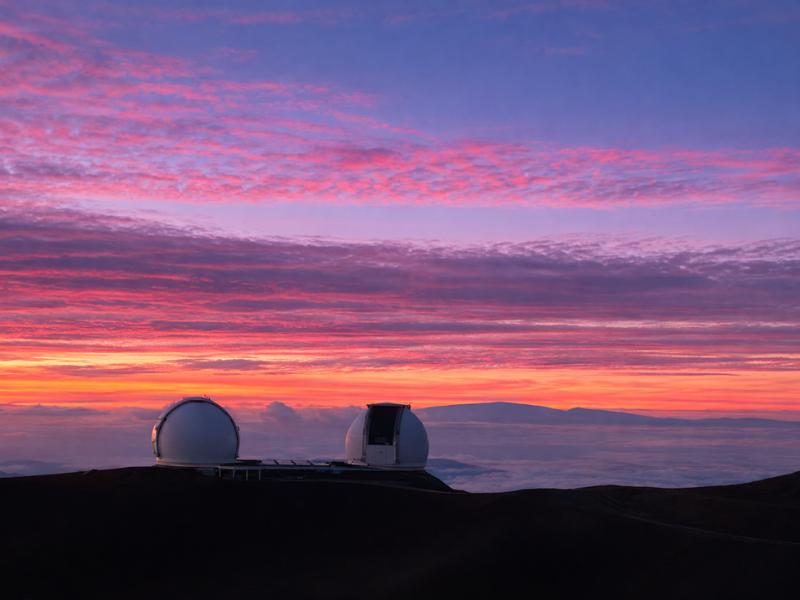
Kona and Hilo occupy the same island but feel like completely separate destinations. Kona is the dry, sunny, resort-developed west coast where most Big Island tourists land and stay. Hilo is the wet, lush, rainforest-draped east coast where the island lives the rest of the year. The drive between them takes about 90 minutes. The psychological distance is much further than that.
The Big Island covers more than 4,000 square miles and spans more climate zones than almost any place on Earth. Between the two coasts, a set of massive volcanoes – Mauna Kea, Mauna Loa – act as a wall that splits the weather in half. The trade winds hit the east side (Hilo) and dump moisture. Everything green, lush, and waterfall-fed on the Big Island comes from that moisture. The west side (Kona) sits in the rain shadow, sheltered from those same winds, warm and dry nearly year-round.
That single geographic fact explains almost every meaningful difference between the two towns. Kona is sunny because the mountains block the rain. Hilo is green because the mountains catch it. Kona has white sand beaches because clear, low-runoff water lets coral and sand accumulate. Hilo’s ocean carries more freshwater runoff, which is why it’s darker and cooler, and why the snorkeling on that side doesn’t compare.
What it does not explain is the character of the towns themselves, and that gap is just as wide. Kona is built for visitors. Alii Drive runs along the waterfront with restaurants, bars, dive shops, and tour operators stacked side by side. The Kohala Coast, just north, is where the Four Seasons, Mauna Kea Beach Hotel, and Fairmont Orchid sit behind manicured lava lawns. Hilo has none of that. It is a county seat. A university town. The kind of place where longtime locals gather at the farmers market Wednesday morning and the newest restaurant downtown has been there since the 1980s. Fewer tour operators. More character.
Neither is better in the abstract. They are different answers to a question you need to ask yourself before you book: what did you come to Hawaii for?
If you would rather have the Hilo-side route sequenced for you, the Best Full-Day Volcano Tour from Hilo is a ten-hour day centered on the park.
Not sure where to start with planning a Big Island trip? Here’s our how to plan a trip to Hilo tours guide so you don’t waste time figuring it out on the fly.
Which Side Has Better Weather for Your Trip?
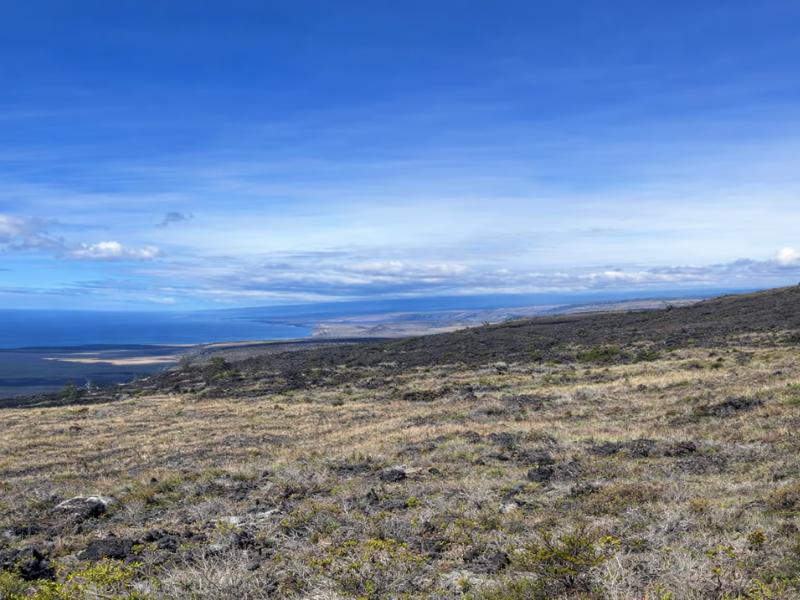
Kona wins on weather for most travelers, most of the time. It averages roughly 18-27 inches of rain per year in town and over 300 sunny days. Hilo averages 130-142 inches annually and rain falls in some form on about 275 days per year. But Hilo’s rain is misunderstood, it mostly comes in short afternoon bursts and overnight, not as all-day grey drizzle. Mornings in Hilo are frequently clear and usable.
The numbers make Hilo sound apocalyptic. In practice it is more manageable than the raw rainfall total implies. A typical Hilo day runs sunny in the morning, clouds building in early afternoon, and a fast heavy shower by late afternoon that clears before evening. If you structure your outdoor activities before noon, you capture most of the good weather. The waterfalls, the volcanic park, the coast – all of them are workable with that rhythm.
Kona’s weather is different in character too. The town itself gets light afternoon clouds that build around the slopes of Hualālai each day, but the coast stays mostly bright. There is also a phenomenon worth knowing: Kona winds. When the trade winds die down and the wind reverses direction, the volcanic emissions (called vog) that normally blow toward the Kona coast settle in more thickly. People with respiratory sensitivities can feel it. It does not ruin a trip, but it is worth noting if you or someone you’re traveling with has asthma.
| Annual rainfall (downtown) | ~130-142 inches | ~18-27 inches |
| Waikoloa resort area rainfall | N/A | ~9 inches/year (driest on island) |
| Rain pattern | Short bursts, afternoons and overnight | Occasional afternoon clouds on slopes; coast stays dry |
| Average temp (annual) | 70-83°F | 70-87°F (slightly warmer) |
| Ocean temperature | Avg ~73.8°F | Avg ~79.5°F (warmer) |
| Vog exposure | Low (trade winds push vog west) | Moderate (when trade winds are active) |
| Best weather months | June, September (driest and sunniest) | May-October (driest stretch) |
Climate data from NOAA station records and Love Big Island climate analysis. Verified April 14, 2026.
One thing the weather comparison misses: what you came to see. The lush rainforest, the waterfalls, the green so intense it looks filtered – all of that is the direct result of Hilo’s rain. You can’t have one without the other. The people who fall hardest for Hilo are almost always the ones who came skeptical about the weather and left converting their friends.
Where Should You Stay for Beaches and Water Activities?
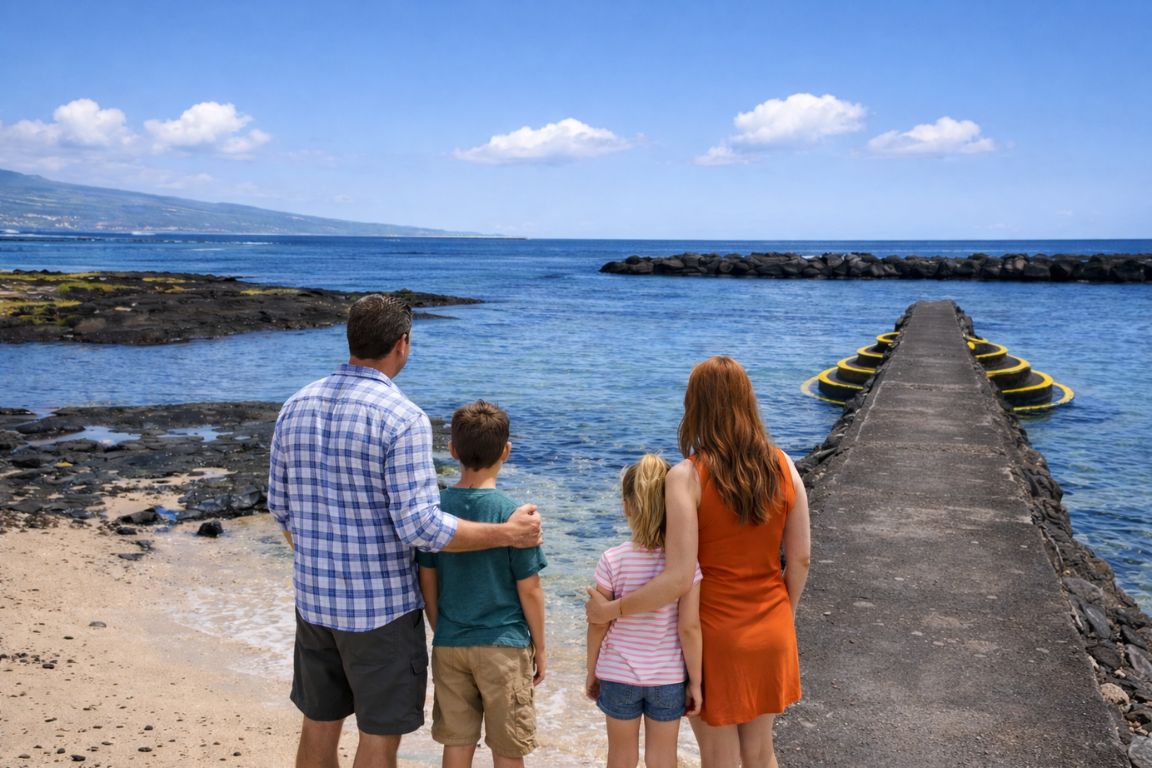 Kona, without qualification. The Big Island’s best white sand beaches – Hapuna, Mauna Kea Beach, Kaunaoa, Makalawena – are all on the west coast. The manta ray night dives that put Kona on every serious diver’s list operate from Keauhou Bay, not Hilo. Snorkeling at Kealakekua Bay (Captain Cook Monument) and Kahalu’u Beach Park are both Kona-side experiences. Hilo’s beaches are real and worth visiting, but they are not what most people picture when they hear “Hawaii beach.”
The reason Kona owns the beaches is physics, not luck. Less rainfall means less freshwater runoff into the ocean, which means cleaner, clearer, warmer water. The Kona coast averages ocean temperatures around 79.5°F. Hilo’s side runs about 6 degrees cooler because of the constant freshwater input. That difference shows in visibility too – Kona underwater is brilliant. Hilo’s bay can look murky after rain.
For serious water activity, Kona’s résumé is stacked. Kahalu’u Beach Park is one of the easiest places on the island to snorkel with sea turtles – calm water, good coral, consistent sightings, parking lot right there. Kealakekua Bay has some of the clearest water anywhere in Hawaii, and the Captain Cook Monument snorkel tour remains one of the better half-day activities on the island. And the manta ray night dive at Keauhou Bay is in a category by itself.
Between 200 and 300 manta rays are known to live along the Kona coast. Operators report sightings on well over 80-90% of nights at the primary sites, “Manta Village” at Keauhou and “Manta Heaven” off Garden Eel Cove. The experience – floating face-down in dark water while creatures with 12-foot wingspans loop beneath you feeding on light-attracted plankton – does not have an equivalent anywhere on the Hilo side. It is one of the best wildlife encounters in Hawaii, maybe anywhere in the Pacific.
Hilo is not beachless. Carlsmith Beach Park and Richardson Ocean Park both have calm, sheltered water, sea turtles in the shallows, and decent snorkeling. Onekahakaha Beach Park is excellent for families with young children precisely because it lacks waves and drama. But these are local beach parks. They are not Hapuna.
Family trips to Hilo need a different kind of planning – our Hilo tours with kids guide breaks down the best age-appropriate experiences on the rainy side of the island.
For a three-hour guided snorkel and nature walk from Hilo, see the Hilo Guided Snorkeling Tour with Nature Walk & Snacks.
Which Side Gets You Closer to the Volcano and Natural Wonders?
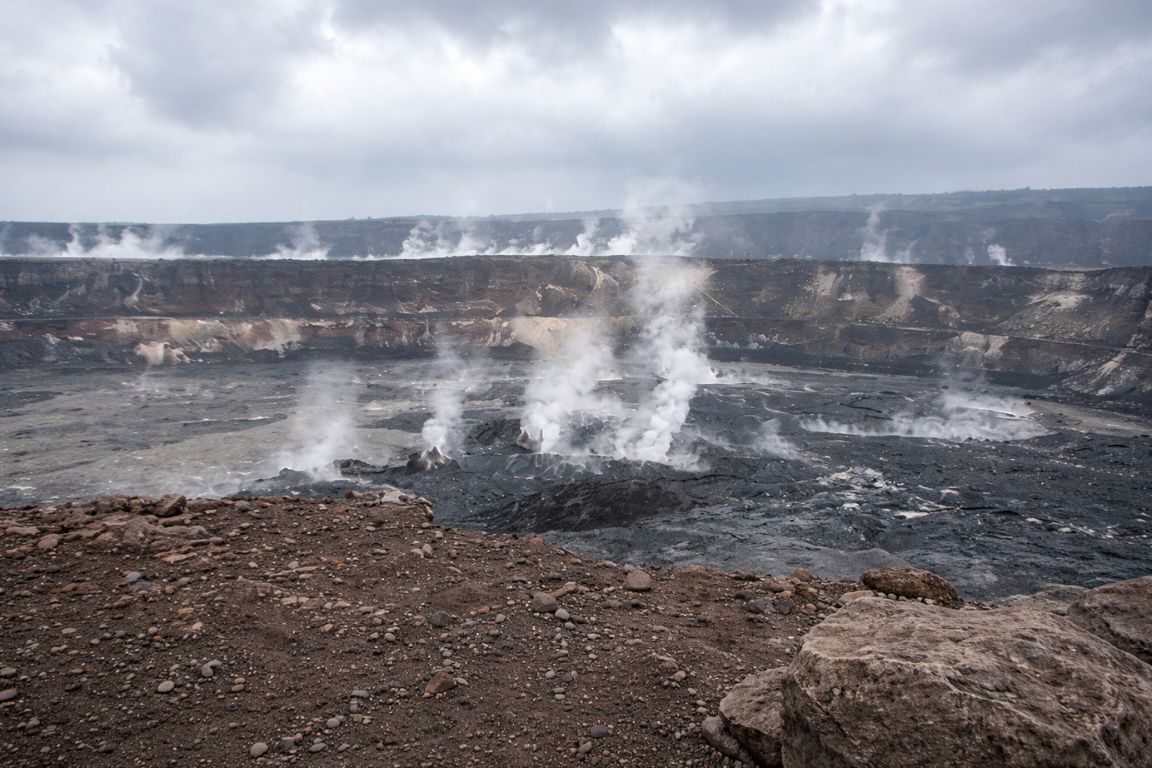 Hilo, clearly. Hawaii Volcanoes National Park is about 30 minutes from downtown Hilo. From Kona it is a 90-minute drive each way, which turns a volcano visit into an all-day road trip before you’ve even parked. The waterfalls, lava tubes, rainforest hikes, and botanical gardens that define the Big Island’s natural identity are almost all on the east side. Kona has access to them, but distance costs you time, and time is how you experience the volcano properly.
This is the most consistent thing we hear from travelers after their trip: people who stayed in Kona and did the volcano as a day trip wished they had given it more time. The drive from Kona to the park and back eats 3 hours of driving before anything else happens. You arrive in the afternoon, see the Halema’uma’u crater in flat midday light, walk one trail, and start worrying about the drive home before dark. You miss the crater glow at night. You miss the silence at the summit before the tour buses arrive. You miss what the park actually is.
The night crater glow is the experience that separates people who understood Hawaii Volcanoes from people who checked it off a list. The Halema’uma’u crater glows orange against a dark sky. From a distance the light pulses and shifts like a heartbeat. It requires staying until after dark, which is trivially easy from Hilo or Volcano Village and deeply inconvenient from Kona.
Visiting Volcanoes National Park and want to make the most of it? Here’s our best volcano tours from Hilo guide so you don’t miss the highlights.
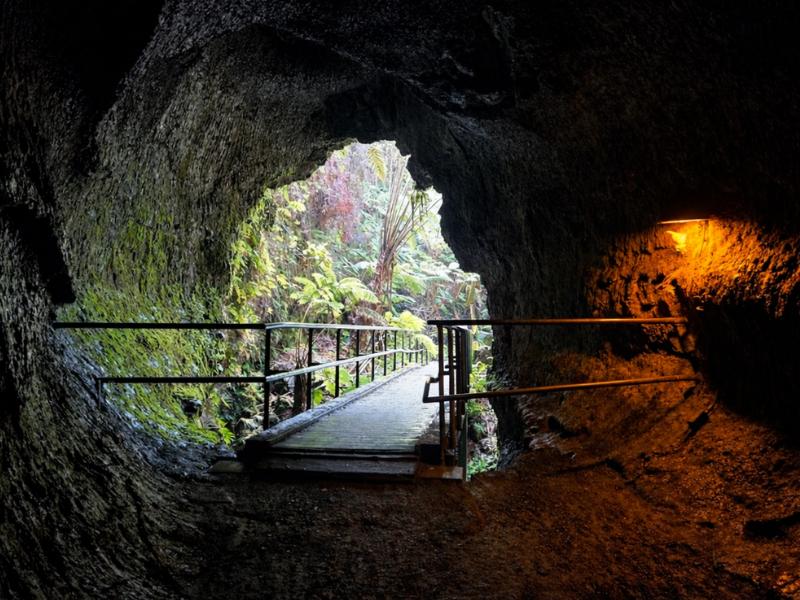
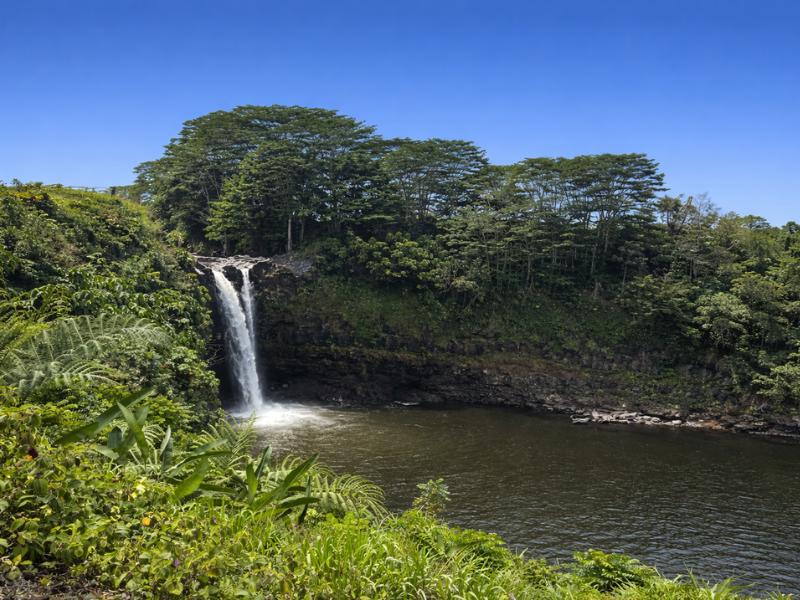
The other natural draws cluster around Hilo too. ‘Akaka Falls, a 442-foot waterfall a 35-minute drive north. Rainbow Falls five minutes from downtown. The Hawaii Tropical Bioreserve and Garden along the Hamakua Coast. Kaumana Caves, a free lava tube from the 1881 Mauna Loa eruption. The Hamakua Coast scenic drive to Waipio Valley Lookout. These are all Hilo-side experiences. Doing them as day trips from Kona is possible but inefficient – you spend your mornings on the highway instead of already there.
Visiting Hilo and want to get properly into the rainforest? Here’s our best Hilo nature tours guide so you don’t stick to the easy roadside stops.
How Does the Cost Compare: Hilo vs. Kona Accommodation and Budget?
 Hilo is meaningfully cheaper. Mid-range hotels in Hilo average $130-$250 per night. The equivalent in Kona runs $250-$450, and the Kohala Coast resorts start at $400 and go well past $600. Activities, food, and free attractions skew cheaper on the Hilo side too. A 5-day Hilo trip typically costs $800-$1,200 less than a comparable Kona stay for two people, even before you factor in the higher cost of beach activities and resort amenities on the west side.
The accommodation gap is the biggest single driver. Hilo has no mega-resorts because the rainfall makes the west coast more appealing to developers. What it has instead are genuine mid-range hotels, B&Bs, and vacation rentals that often punch well above their price. The Grand Naniloa Hotel (a DoubleTree) is the closest thing Hilo has to a full-service hotel, and it runs $178-$250 per night with bay views. The Four Seasons Hualalai in Kona starts well above $1,000 per night. That is the spread.
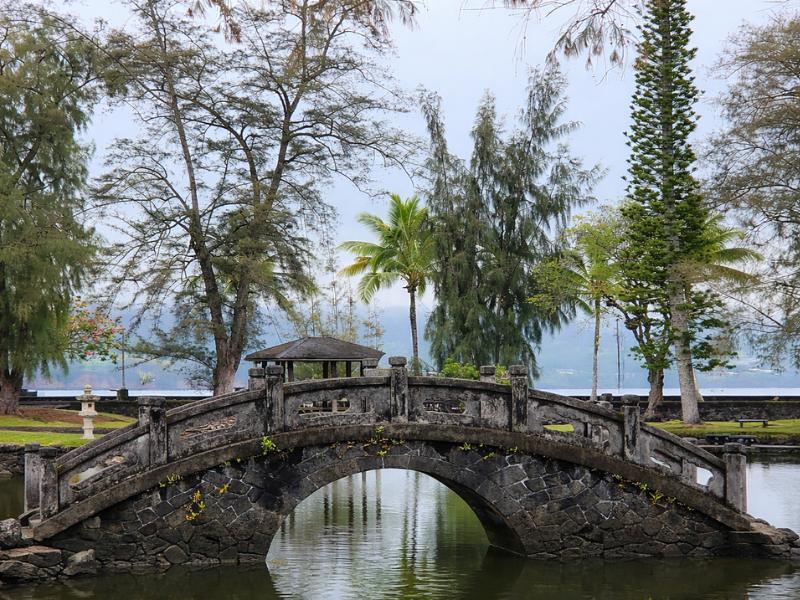
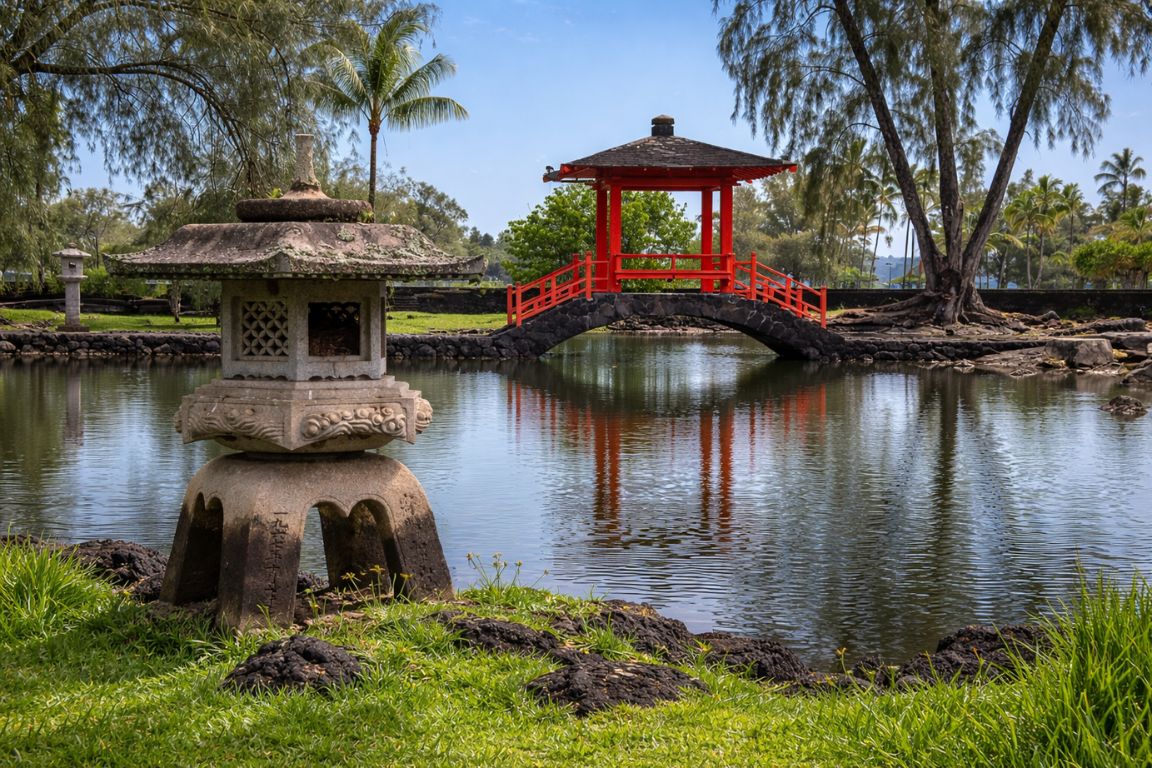
Activities tell a similar story. Hilo’s most memorable experiences – Rainbow Falls, the Pana’ewa Rainforest Zoo, Kaumana Caves, Liliuokalani Gardens, the farmers market – are either free or very cheap. The Volcanoes NP entry is $30 per vehicle for 7 days. On the Kona side, manta ray tours run $99-$139 per person. Helicopter tours from Kona cost more than the same route from Hilo because of the extra flying time. Kona resort luaus run $150-$250 per person. The gap builds fast.
| Budget hotel/night | $72-$130 | $130-$200 |
| Mid-range hotel/night | $130-$250 | $250-$450 |
| Resort hotel/night | Not available | $400-$1,000+ |
| Top free activities | Rainforest Zoo, Rainbow Falls, Kaumana Caves, Liliuokalani Gardens | Public beach parks, Old Airport snorkel area |
| Signature paid activity | Volcanoes NP $30/vehicle; helicopter from ~$200/person | Manta ray dive $99-$139/person; luau $150-$250/person |
| Avg meal (local spot) | $10-$20/person | $15-$30/person (resort areas higher) |
Prices verified April 14, 2026. Hawaii TAT (11% as of Jan 2026) and GET (4%) apply to accommodation.
The honest caveat: Hilo being cheaper does not make it better for everyone. If you want a pool, a spa, a beach 50 feet from your door, and a full-service bar that stays open past 9pm, you need to pay Kona prices. Hilo does not have those things. The value proposition is real, but it comes with tradeoffs that matter depending on who you are.
Wondering which paid tours are genuinely worth it and which free alternatives deliver almost the same experience? This Hilo tours on a budget guide covers what most Hawaii travel blogs won’t tell you.
What Is the Vibe and Pace Like in Each Town?
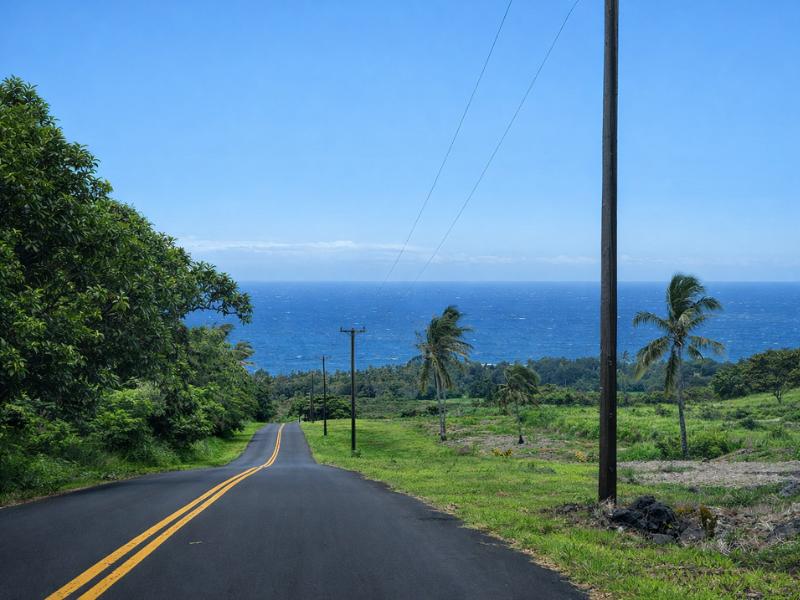
Kona is the social, sunset-cocktail, active-visitor side of the island. Hilo is the slow-morning, farmers market, local-diner side. Neither description is a criticism. They describe real and distinct experiences. What trips people up is arriving in one expecting the other.
Alii Drive in Kona is the spine of the visitor experience – a strip of oceanfront restaurants, bars, dive shops, and tour operators running south from the harbor. On any given evening it has live music coming from somewhere, people eating outside, and the kind of bustling energy that makes a vacation feel like a vacation. Kona’s nightlife is modest by mainland standards but lively by Hawaii standards. Sports bars, cocktail spots, restaurants open past 9pm. It is a town that caters to people who are on holiday.
Hilo operates on a different frequency. Most restaurants close early. The downtown core is beautiful in an old plantation-era way, but it is not polished for tourists. There are faded storefronts alongside gems. The Hilo Farmers Market on Wednesday and Saturday mornings is one of the island’s genuinely great experiences – 200+ vendors, fresh tropical fruit, flowers, local crafts, plate lunch counters, and feels nothing like anything you’d find on the Kona side. But after the market wraps up, Hilo is not going to entertain you the same way Alii Drive does.
The traveler who ends up loving Hilo usually didn’t expect to. They came for the volcano, stayed a few nights because it made logistical sense, walked downtown one morning, found a good coffee shop, wandered into the Pacific Tsunami Museum, bought fruit at the market, and realized the town had given them something they weren’t looking for. That feeling does not happen in Kona because Kona is optimized to give you exactly what you planned for.
Both of those can be what you want. Know which one you are before you book.
Should You Split Your Stay Between Hilo and Kona?
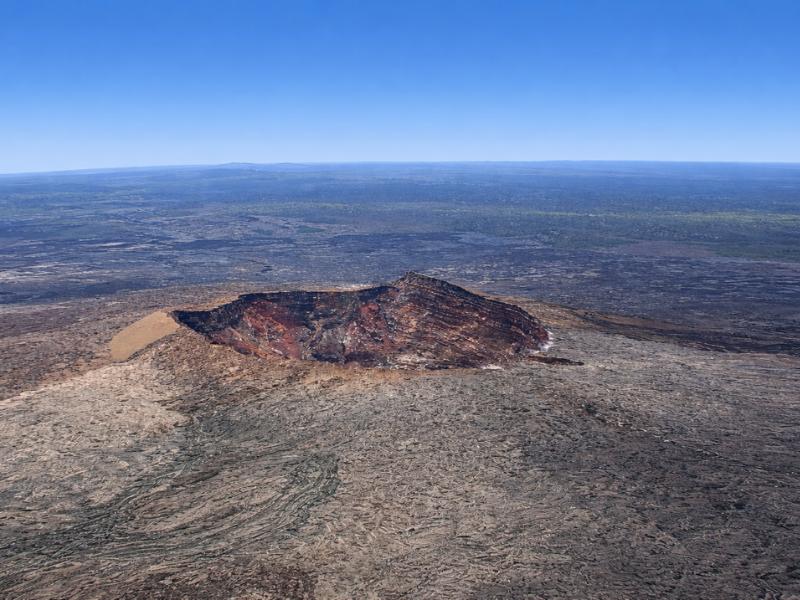
For most Big Island trips of 7 nights or more, a split stay is the best answer. The most common recommendation from experienced travelers and locals is roughly 3-4 nights on the Hilo side (prioritizing the volcano and east coast natural sites) followed by 5-7 nights on the Kona side (beaches, water activities, resort life). Starting Hilo-side and ending in Kona gives the trip a natural arc: immersive and educational first, relaxing and resort-forward at the end.
The math on the drive matters here. Kona to Hilo is 90 minutes at best on a clear morning, and 2-2.5 hours when you factor in scenic stops, traffic, or the southern route through Volcano. Doing that round trip more than once or twice in a week burns real vacation time. A split stay means waking up near what you want to see each day rather than burning three hours of driving to get there.
For trips under 7 nights, the math shifts. A 5-night trip probably works better with a single base – choose based on your priorities. The volcano and waterfalls favor Hilo. Beach days and ocean activities favor Kona. If the volcano is on your list either way, a smarter move than staying in Kona is to book your first 2 nights in Hilo or Volcano Village, see the park properly including at night, then drive west and spend your remaining nights in Kona. That approach costs you one hotel move but gives you both sides without feeling rushed on either.
| 4-5 nights | Pick one side; brief is better than rushed | Choose based on top priority (volcano vs. beach) |
| 5-6 nights | 2 nights Hilo + 3-4 nights Kona | Start Hilo for volcano, end Kona for beaches |
| 7-8 nights | 3 nights Hilo + 4-5 nights Kona | Best balance – volcano + waterfalls + full beach days |
| 10+ nights | 4 nights Hilo + 6-7 nights Kona | Room to breathe on both sides; consider Volcano Village separately |
| Volcano focus only | 2-3 nights Volcano Village + Hilo | Stay closest to the park; daytrip to waterfalls and coast |
One thing we’ve seen consistently: the travelers who regret the split are almost always people who set up a Kona base and drove to the park as a day trip. The ones who split their time almost never regret it. The extra hotel move is a small inconvenience for a much better trip.
Want to find the most stunning waterfalls on the Big Island without the guesswork? Here’s our best waterfalls near Hilo tours guide so you hit the right ones.
So Which Side Is Right for You? (Our Honest Recommendation)
Start on the east side so you see the volcano properly, wake up near the waterfalls, and understand what the Big Island actually is before shifting into resort mode. Kona is a great place to finish a trip. It is a worse place to start one.
Here is who should choose Hilo as their primary base (or start there in a split):
Hawaii Volcanoes National Park is your priority. You want to wake up 30 minutes from the crater instead of 90. You care about the island’s geological and cultural story more than its poolside amenities. You are traveling on a budget and want to stretch every dollar. You want to see Hawaii that still feels like Hawaii rather than a resort development in Hawaii. You are traveling with kids who will learn something real from the volcano, the tsunami museum, the astronomy center.
Here is who should choose Kona as their primary base (or go there first and do a Hilo excursion):
White sand beaches are non-negotiable for you. You have respiratory sensitivities and want to minimize vog exposure on the Kona side when trade winds are light. The manta ray night dive is a bucket-list item you have been planning around. You are on a honeymoon or anniversary trip and want the resort infrastructure, oceanfront dining, and reliable sunsets. You have 5 nights or fewer and do not want to manage a hotel move.
The only wrong choice is arriving on the Big Island and treating both sides as interchangeable. They are not. The 90-minute drive between them is real. The differences in what each side offers are real. Spend some time before you book deciding which island experience you actually came for, and then plan your base accordingly.
Looking at a specific park day often answers the lodging question faster: dates for the Private Volcanoes National Park Tour with Hotel Pickup show what a full day from this side looks like.
Frequently Asked Questions
Which Is Nicer, Kona or Hilo?
Neither is objectively nicer – it depends what you mean by nice. Kona has the postcard version of Hawaii: white sand, sunshine, resorts, sunset dinners on the water. Hilo has the version locals point to as the real island: waterfalls, an active volcano half an hour away, and rainforest green that looks unreal even in photos. Beach-and-resort travelers tend to come back saying Kona. Travelers who came to see lava, hike a rainforest, or eat where locals eat tend to come back saying Hilo. Neither answer is wrong; they are answering different questions.
Is Kona or Hilo better for first-time Big Island visitors?
Depends on your priorities. Kona is more predictable, sunnier, and has more tourist infrastructure which makes it easier for first-timers who want the resort experience. Hilo is cheaper, closer to the volcano, and more authentically local. Most experienced guides recommend a split stay: start in Hilo to see the park properly, then move to Kona for the beach days. If you can only pick one and the volcano is on your list, Hilo is the smarter base.
Can you do the volcano from Kona as a day trip?
You can, but it is the most common source of regret on Big Island trips. The round-trip drive from Kona is roughly 3 hours. You arrive in the afternoon, rush through the highlights, and leave before dark which means missing the crater glow at night, which is the best thing the park offers. If the volcano matters to you, stay in Hilo or Volcano Village for at least 2 nights rather than doing it as a day trip from Kona.
How far is Hilo from Kona?
About 95 miles by road, which translates to 90 minutes via the northern Saddle Road route (Highway 200) or 2-2.5 hours via the southern route through Volcano Village. Both drives are scenic and worth doing at least once. The northern route is faster and passes through high-elevation terrain between the two volcanoes. The southern route goes past the national park entrance and black sand beaches.
Is Hilo cheaper than Kona?
Yes, significantly. Mid-range hotels in Hilo average $130-$250 per night. Comparable accommodation in Kona runs $250-$450, and the Kohala Coast resort corridor starts at $400+ and climbs past $1,000 for luxury properties. Activities and dining are also cheaper on the Hilo side, where many of the best experiences are free. A 5-day stay for two people is typically $800-$1,200 less on the Hilo side.
Does it rain every day in Hilo?
Technically rain falls in some form on about 275 days a year in Hilo. But the pattern matters more than the number: most rain comes in fast afternoon bursts and overnight. Mornings are frequently clear and fully workable for outdoor activities. June and September are the driest months. March and November are the wettest. If you structure your days to front-load outdoor activities in the morning, Hilo’s rain rarely ruins a full day.
What is the manta ray night dive and is it only in Kona?
The manta ray night dive is one of the most celebrated wildlife experiences in Hawaii. Tour operators take small groups out to sites in Keauhou Bay after dark, where lights attract plankton and manta rays which can reach 12-15 feet across – come to feed. Sightings are reported on 85-90%+ of nights. It exists only on the Kona side; the conditions that make it work (clear water, calm bay, consistent plankton) do not replicate on the Hilo side. Tours run $99-$139 per person for snorkeling, more for certified divers.