Best Hilo Nature Tours
Hilo is one of the most biodiverse places in the U.S. Discover the best nature tours - rainforest, waterfalls, turtles, and lava tubes, and which ones are worth a guide.
Last updated: May 1, 2026
| Hawaii Tropical Bioreserve & Garden | 5 miles / ~15 min | ~$32/adult (self-guided) | Plant lovers, photographers, all ages |
| Richardson Ocean Park (snorkel + turtles) | ~2 miles / ~10 min | Free (DIY); guided snorkel tours available | Sea turtles, beginner snorkelers, families |
| Kaumana Caves (lava tube) | 4 miles / ~10 min | Free | Adventurous visitors; budget travelers |
| Pana’ewa Rainforest Zoo | ~3 miles / ~10 min | Free | Families, children, wildlife |
| Botanical World Adventures (Umauma) | ~16 miles / ~25 min | ~$12 (gardens); ~$191 (zipline) | Adventure, zipline, triple waterfall |
| Hamakua Coast scenic drive | Starts 6 miles from Hilo | Free (self-drive); guided tours $85-$175 | Scenic driving, coastal rainforest |
| Hakalau NWR birding tour | ~30 miles / ~45 min | Guided tours ~$175-$250/person | Birders, wildlife enthusiasts |
| Waipio Valley (lookout free; guided descent) | ~50 miles / ~1 hr | Free lookout; guided tours ~$60-$100 | Sacred valley, Hi’ilawe Falls view |
Prices verified April 14, 2026.
What Are the Best Nature Tours in Hilo, Hawaii?
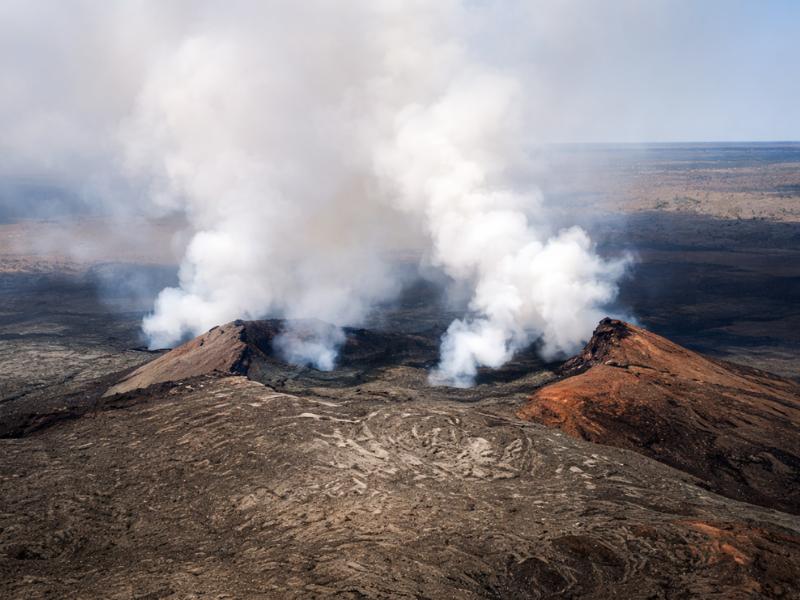
 Hilo’s best nature tours fall into four categories that reflect the unusual diversity of the east side of the Big Island: rainforest and botanical garden experiences that put 2,000+ plant species from 125 families within a single coastal valley; coastal and marine tours at Richardson Ocean Park where Hawaiian green sea turtles rest in the tide pools year-round; lava tube exploration at Kaumana Caves, formed by the 1881 Mauna Loa eruption that nearly destroyed Hilo; and the Hamakua Coast corridor running 50 miles north through endemic bird habitat, triple-tiered waterfalls, and the sacred Waipio Valley. No other town in Hawaii offers this range within a 50-mile radius.
What separates Hilo’s nature from the rest of Hawaii is density and authenticity. The Kona side of the island has sun and beaches and manta rays – all exceptional. The Hilo side has the geology, the botany, the endemic wildlife, and the raw volcanic coast. Sitting in a lava tube formed by a flow that came within a mile and a half of the town. Walking a trail past 200 species of palms and watching orchids grow from tree trunks without any human cultivation. Watching Hawaiian green sea turtles haul out onto a black sand beach 10 minutes from downtown. These experiences are not packaged. They happen because this is what the place is.
The first time someone puts their face in the water at Richardson and realizes there are five green turtles within arm’s length. The descent into Kaumana Caves from full Hawaiian sun into cool underground silence. These things do not require a tour but a guide who understands them adds layers that take years of experience to accumulate.
If you want the Hilo nature experience done properly – with the context, the timing, and the stories that change what you’re looking at – start from the private Hilo and Big Island east-side custom tour.
What Makes Hilo Different from Other Hawaii Nature Destinations?
Hilo is the rainiest city in the United States, which makes it the most biologically dense. The same 130+ inches of annual rainfall that discourages resort development produces waterfalls that run year-round, rainforests that support over 2,000 tropical plant species within a few miles of downtown, lava tube systems stretching 25 miles under the city, and a coastal ecosystem where spring-fed freshwater mixing with Pacific seawater creates unique conditions for marine life. Nowhere else in Hawaii has this combination of terrestrial and marine nature within such easy reach of a single town.
The comparison that makes the most sense is between the Hilo side and the Kona side of the same island. Both are extraordinary. But the Kona side is a leeward, drier landscape – the gorgeous white sand beaches, the clear snorkeling water, the resorts and sunset infrastructure. It is Hawaii polished and presented. Hilo is Hawaii in its working state, still actively being shaped. The lava tube under the town was formed in 1881. The volcanic coast at Richardson is black sand made from eruptions still happening within living memory. The orchids growing wild from tree trunks in the Tropical Bioreserve are not cultivated ornamentals – they are native species surviving in the only climate in the United States where they can.
The Big Island has more climate zones than almost anywhere on Earth – estimates range from 8 to 13 of the world’s recognized climate types existing on a single island. Most of the wet, lush, rainforest zones are concentrated on the Hilo side. That biological richness is the nature tour product. Rain is not the obstacle to experiencing it. Rain is the reason it exists.
The two sides of the Big Island offer completely different experiences – our Hilo vs Kona where to stay guide breaks down exactly which one fits your travel style.
What Types of Nature Tours Depart from Hilo?
Six distinct types of nature tour operate from Hilo: botanical garden and rainforest walks (self-guided or guided), coastal marine experiences (snorkeling with sea turtles at Richardson, guided or independent), lava tube exploration (Kaumana Caves free and solo; Thurston/Nahuku at Volcanoes NP), birding tours at Hakalau National Wildlife Refuge, Hamakua Coast driving tours with naturalist narration, and Waipio Valley descents by guided 4WD or horseback. Each serves a different kind of nature interest, and most can be layered into a single day with good planning.
Botanical and garden tours concentrate along a 16-mile corridor north of Hilo. The Hawaii Tropical Bioreserve and Garden at Onomea Bay is the anchor – a 40-acre coastal rainforest with 2,000+ plant species, waterfalls, streams, and ocean views, accessible via a 1.25-mile self-guided loop. The Pepe’ekeo Scenic Drive, a four-mile stretch of old highway just before the garden, is one of the most beautiful short drives on the island and requires nothing but a rental car and slow speed. World Botanical Adventures near Hakalau adds 400 acres of rainforest trails, a hedge maze, an orchid wall, and ziplines that cross directly above the triple-tiered Umauma Falls.
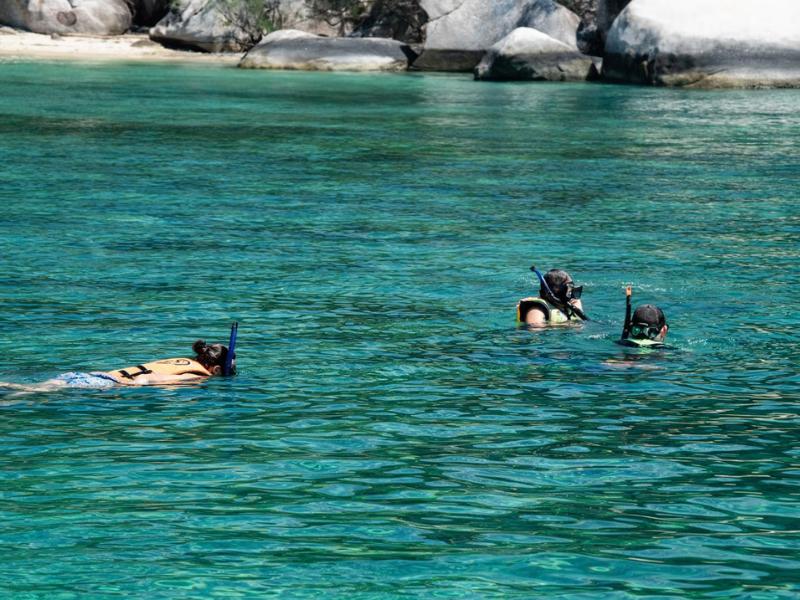
Coastal marine tours focus on Richardson Ocean Park, 10 minutes from downtown Hilo – a spring-fed black sand beach with calm, clear water, a resident population of Hawaiian green sea turtles, and a protected reef that supports parrotfish, butterflyfish, triggerfish, and occasional Hawaiian monk seals. Guided snorkel tours operate from the park and are genuinely useful for first-time snorkelers who need instruction and want someone identifying what they’re seeing. Independent snorkelers with their own gear have full access for free.
Lava tube exploration starts at Kaumana Caves, four miles from downtown Hilo, with free access into the 1881 Mauna Loa tube system. This is a genuine adventure experience – unlit, unguided, requiring headlamps and closed-toe shoes. For those wanting a guided lava tube experience, Kazumura Cave near Pahoa is the longest known lava tube on Earth at 40.8 miles and offers guided tours that go significantly deeper than the public sections of Kaumana. Our Kaumana Caves guide covers the descent, the gear you actually need, and both cave mouths in full.
Birding tours to Hakalau National Wildlife Refuge on the upper slopes of Mauna Kea access one of the most significant native bird habitats in Hawaii – a high-elevation native ‘ohi’a forest where endemic honeycreepers like the ‘apapane, ‘i’iwi, and ‘amakihi still exist in meaningful numbers. Hawaii Forest and Trail is the primary operator for these tours, departing from Kona side but accessible for Hilo-based visitors on day-trip format.
What Are the Best Rainforest and Botanical Garden Tours Near Hilo?
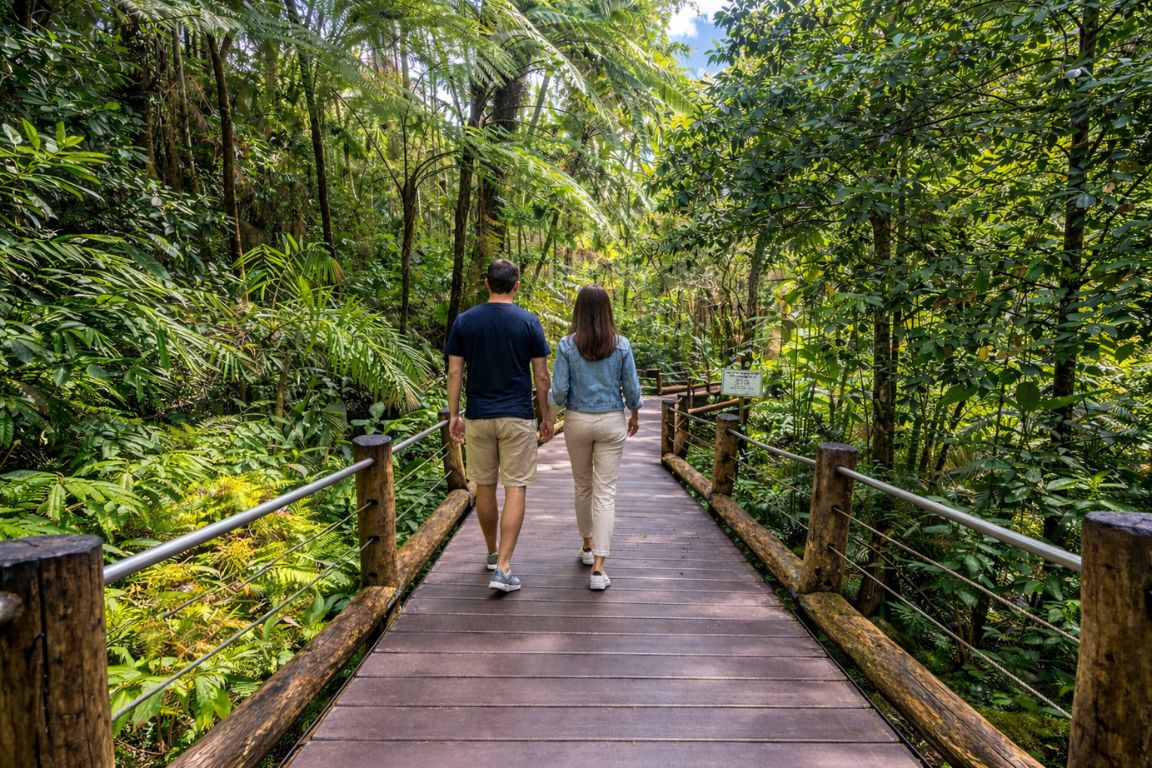 The Hawaii Tropical Bioreserve and Garden at Onomea Bay is the most exceptional botanical experience on the Big Island and one of the best in the Pacific. Forty acres of coastal tropical rainforest, over 2,000 plant species from 125 plant families, multiple waterfalls, a bird aviary, and some of the most dramatic ocean views on the island – all on a 1.25-mile self-guided trail that takes 90 minutes to three hours depending on how seriously you engage. Admission is approximately $32 per adult. Open daily 10am-6pm (last entry 5pm).
The garden’s origin story matters and changes how you walk it. In 1977, Dan and Pauline Lutkenhouse discovered Onomea Valley on vacation. They bought the land specifically to prevent commercial development, then spent years creating a living botanical preserve from what had been an overgrown jungle. Every species in the garden was intentionally selected and placed. The 200 species of palms standing along the trails. The orchids in every color from white to magenta, growing from tree trunks in a way that took generations to establish. The 500-foot landscaped boardwalk descending to the lower garden where streams and waterfalls meet the rugged Pacific coast. This is someone’s life work, not a municipal planting.
The trail descends from the visitor center through progressively denser tropical layers – first the showy flowering zone with torch ginger, bird of paradise, and heliconias, then the lower palm corridors, then the streamside sections where the sound of falling water follows you and mist softens the light. At the bottom, ocean views through the vegetation over Onomea Bay are genuinely spectacular on clear mornings. The garden can lend umbrellas if it’s raining, and it will sometimes rain.
Five miles north of the Bioreserve, the Botanical World Adventures property near Hakalau adds a different dimension. The 400-acre property includes the only triple-tiered waterfall on the Big Island (Umauma Falls), a 260-foot orchid wall with thousands of wild-growing specimens, and nine ziplines crossing the gorge. The zipline tour ($191+) is worth considering for the aerial perspective over the falls that no ground-level viewpoint provides. The garden walk alone is $12 and takes 1-2 hours. Their guided 2-hour waterfall swim ($50) is one of the few genuinely safe freshwater swim experiences near Hilo.
Visiting Hilo and want to make waterfalls a proper part of your trip? Here’s our best waterfalls near Hilo tours guide so you don’t miss the standouts.
Also worth noting for families: Pana’ewa Rainforest Zoo and Gardens, just three miles from downtown Hilo, is the only tropical rainforest zoo in the United States and is completely free. Over 80 animal species in actual jungle conditions – white Bengal tigers, spider monkeys, pygmy hippos – on enough trail for a solid 1-2 hour visit. It does not replace the Bioreserve, but for families with young children it is an extraordinary free half-morning.
| Hawaii Tropical Bioreserve & Garden | 2,000+ species; waterfalls; ocean views; 200 palm species; orchids | ~$32/adult | 90 min – 3 hrs |
| Botanical World Adventures | Triple waterfall; ziplines; orchid wall; rainforest trail; maze | ~$12 (gardens); ~$191 (zipline) | 1-4 hrs |
| Pana’ewa Rainforest Zoo | Only tropical rainforest zoo in US; 80+ species; white Bengal tiger | Free | 1-2 hrs |
| Pepe’ekeo Scenic Drive | 4-mile old highway through jungle; streams; small waterfalls; no crowds | Free | 20-30 min drive |
| Liliuokalani Gardens | Japanese-style bayfront gardens; koi ponds; Coconut Island access | Free | 30-60 min |
What Are the Best Coastal and Marine Nature Experiences Near Hilo?
 Richardson Ocean Park is the crown jewel of Hilo’s marine nature scene – a spring-fed black and green sand beach 10 minutes from downtown where Hawaiian green sea turtles (honu) rest and feed in the tide pools year-round. The water is clear, calm, and spring-fed, creating unusually good visibility for the east side of the island. Snorkeling is excellent along the right-side cove where parrotfish, butterflyfish, triggerfish, and moray eels shelter in the coral. Hawaiian monk seals appear occasionally. Lifeguards are on duty. Entry is free.
The turtles at Richardson are not seasonal or occasional. They are residents. The algae growing on the basalt rocks in the tide pools is what they feed on, and they return to the same spots day after day. On most visits, especially in the morning before crowds arrive, you will see multiple turtles hauled out on the black sand or moving slowly through the shallows. They can grow to 3-4 feet long and weigh over 300 pounds. The Hawaiian Marine Mammal Protection requirements apply: stay at least 10-15 feet from any turtle in the water or on shore, and do not touch or pursue. The turtles do not care about these rules and will often approach snorkelers out of curiosity. Let them set the distance.
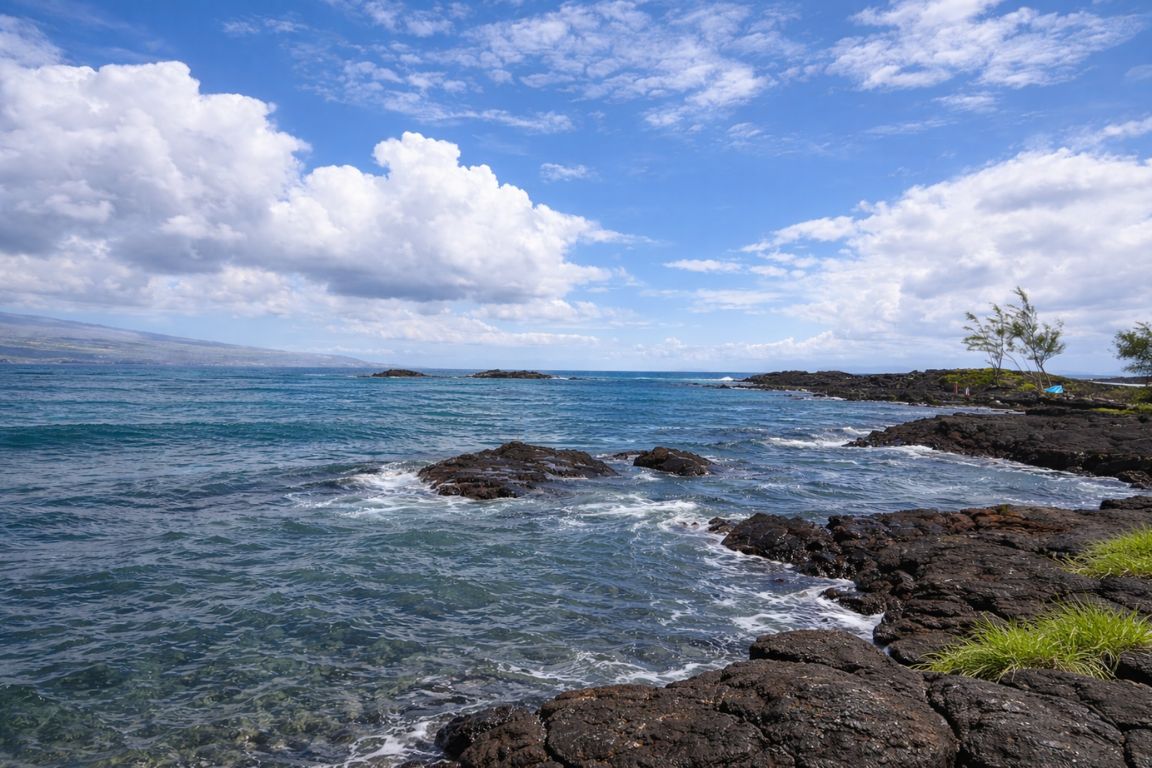
The spring water feeding into Richardson creates a microclimate that makes this beach different from the typical Hilo coastal experience. Freshwater springs mix with the Pacific at multiple points along the shoreline, keeping the shallow areas clear even after rain upstream. The black sand itself is a geological story – formed from basaltic lava, with olivine crystals mixed in that give some areas a slight green shimmer. It is the same mineral that creates the famous Green Sand Beach at the island’s south tip, but accessible and free. Our Hilo beaches guide compares Richardson to the other Hilo-area swimming spots, and our black sand beaches guide lines it up against Punalu’u, Kaimū and Pohoiki further south.
Guided snorkel tours operating from Richardson are genuinely worth considering for first-time snorkelers. A guide provides equipment fitting and technique instruction, identifies the marine species you’re seeing in real time, makes sure you know the turtle safety protocols, and captures your experience with a GoPro camera. For experienced snorkelers, DIY is completely fine – bring your own gear or rent it in Hilo, arrive early on a weekday for the clearest water and best turtle sightings, and bring water shoes for the rocky entry points.
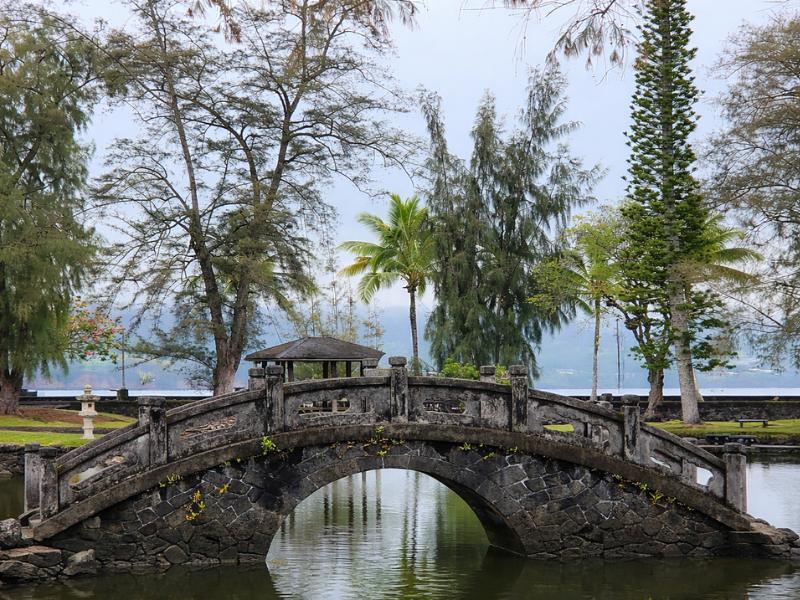
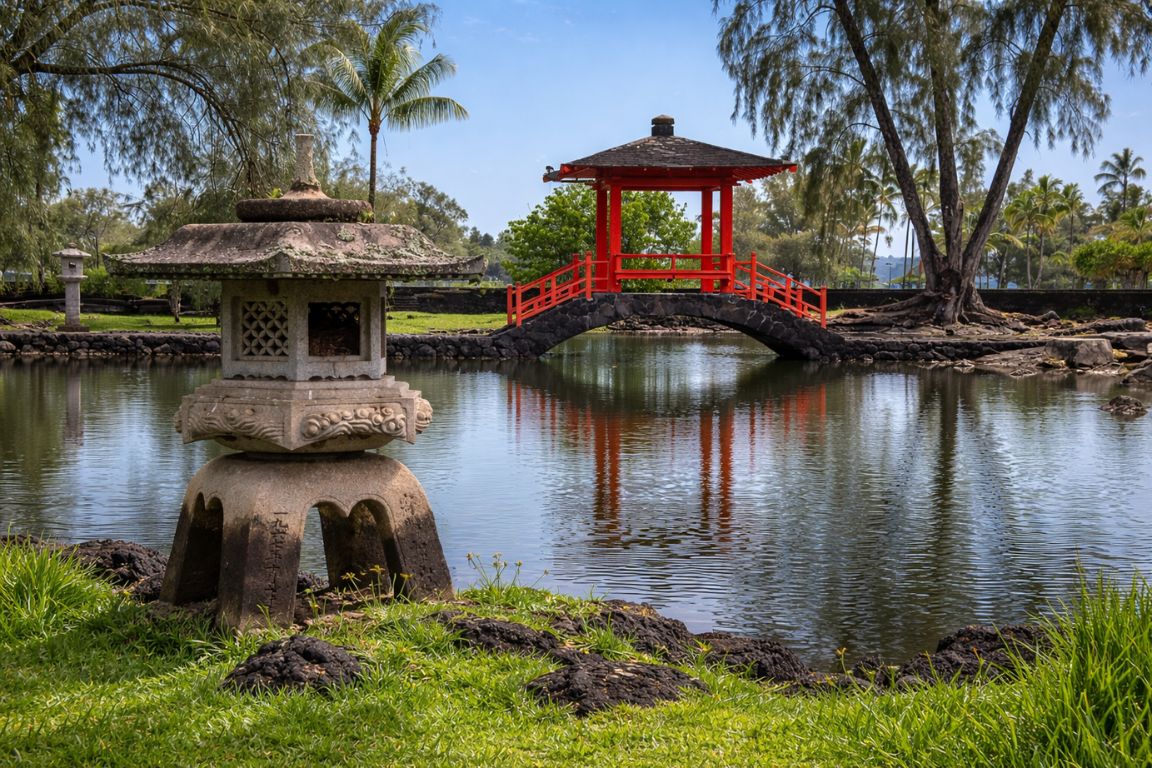
Beyond Richardson, the Hilo Bay coastal area has its own nature value. Liliuokalani Gardens, the largest formal Japanese garden outside Japan, borders the bay with koi ponds, foot bridges, and a causeway to Coconut Island – a small islet that was a traditional healing site and is now an easy 10-minute walk from the parking area. The bay itself is a good whale watching vantage point from December through April. Hilo Ocean Adventures runs kayaking and ocean tours from the bay and is one of the more respected local marine operators on the east side.
The Hilo guided snorkeling tour includes a nature walk, time in the water, snacks, and gear, so you do not have to assemble those pieces yourself.
What Are the Best Hiking Tours and Guided Walks Near Hilo?
 The three most compelling hiking experiences near Hilo are Kaumana Caves (a free, wild lava tube exploration 4 miles from town), the Hamakua Coast trail network including the ‘Akaka Falls loop and Pepe’ekeo Scenic Drive, and – for serious hikers willing to commit to the logistics – the descent into Waipio Valley, which requires either a guided 4WD shuttle or a steep 1-mile hike on a road with a 25% grade. Each delivers a fundamentally different experience of what the Big Island’s east side looks and feels like underground, at the coast, and inside a sacred valley.
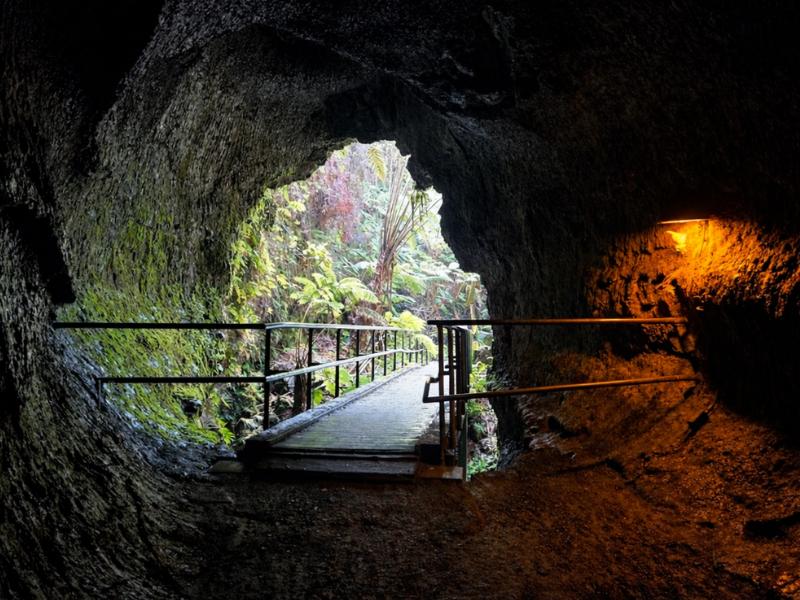
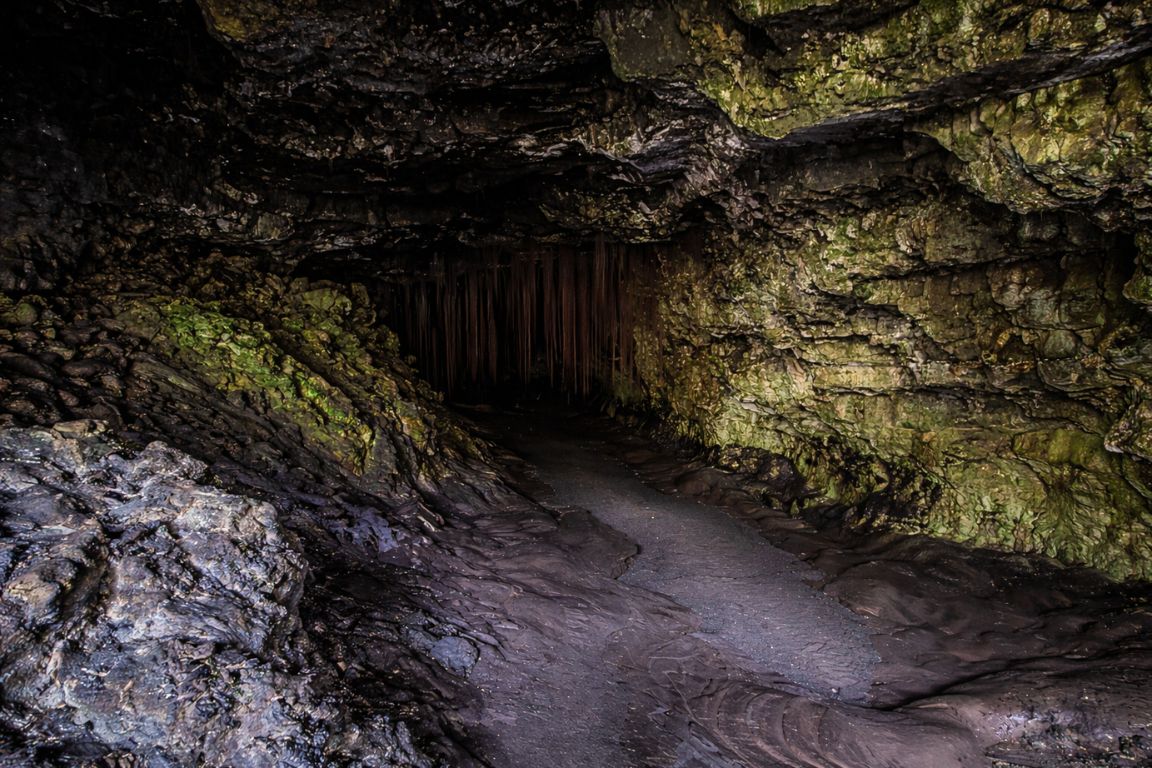
Kaumana Caves is Hilo’s most underused adventure experience. Four miles up Kaumana Drive from downtown, a concrete staircase descends into a collapsed skylight of the 1881 Mauna Loa lava tube – a tunnel that stretches 25+ miles under the city and the slopes above it. The entrance is free. No guide required. What you need is a headlamp (multiple lights per person is the honest recommendation), closed-toe shoes with grip, long pants for the crawl sections, and mosquito repellent. The cave is cool and damp; the walls are smooth where lava flowed like a river and rough where gas bubbles were trapped. Roots from ‘ohi’a trees hang from the ceiling, searching for water through the rock. Exploring the accessible sections takes 15 minutes to an hour depending on how deep you go. Going in without light is pointless – within 50 feet of the entrance, you are in complete darkness.
The Hamakua Coast trail network is less a single hike than a series of short walks connected by a scenic drive. The ‘Akaka Falls loop trail (0.4 miles, 30 minutes) walks you through bamboo groves, wild orchids, and giant ferns before delivering the 442-foot falls at the end. The Pepe’ekeo Scenic Drive – a separate four-mile stretch of old highway just north of Hilo – is more of a slow drive than a hike but passes through jungle that the main highway bypasses entirely, with small waterfalls and ocean glimpses that stop most people multiple times. The Hawaii Tropical Bioreserve’s 1.25-mile trail is the most botanically rich walk on the island.
Waipio Valley is the experience that requires the most commitment and delivers the most. The valley is sacred ground – birthplace of King Kamehameha I, former home of Hawaiian royalty, and currently home to about 100 residents farming taro on land their families have worked for generations. The road descending into the valley has a 25-40% grade (no joke), is not accessible to rental cars, and is currently closed to visitor vehicles by County order due to road conditions. Getting to the valley floor requires either a guided shuttle/4WD tour or hiking down on foot – a 900-foot descent that takes 20-30 minutes and a genuinely difficult climb back up. Tours run by operators with valley access offer the narrative context that makes the valley legible: the history, the sacred sites, the significance of the taro patches, the stories connected to Hi’ilawe Falls rising 1,450 feet at the back of the valley. From the free Waipio Valley Lookout at the top of the road, the view is dramatic enough that many visitors are satisfied without descending. Our Waipiʻo Valley guide covers exactly why the road is restricted, who is currently allowed to drive it, and what the lookout gives you instead.
| Kaumana Caves lava tube | 15 min – 1+ hr; uneven underground terrain | Free | No, but headlamp essential |
| ‘Akaka Falls loop trail | 0.4 miles; 30 min; paved; easy | $5/person + $10/vehicle | No |
| Hawaii Tropical Bioreserve trail | 1.25 miles; 90 min; moderate descent | ~$32/adult | Guided tours Mon-Sat 10am & 1pm; self-guided daily |
| Pepe’ekeo Scenic Drive / Onomea Trail | 4-mile drive; Onomea Bay trail ~0.5 miles | Free | No |
| Waipio Valley descent | 1 mile each way; 25-40% grade | Free (on foot); guided shuttle ~$60-$100 | Strongly recommended; cultural context essential |
| Hakalau NWR birding hike | Varies; moderate; high elevation (6,000 ft) | Guided tour ~$175-$250/person | Yes, permit-required access; specialized knowledge |
How Do You Choose the Right Hilo Nature Tour for Your Group?
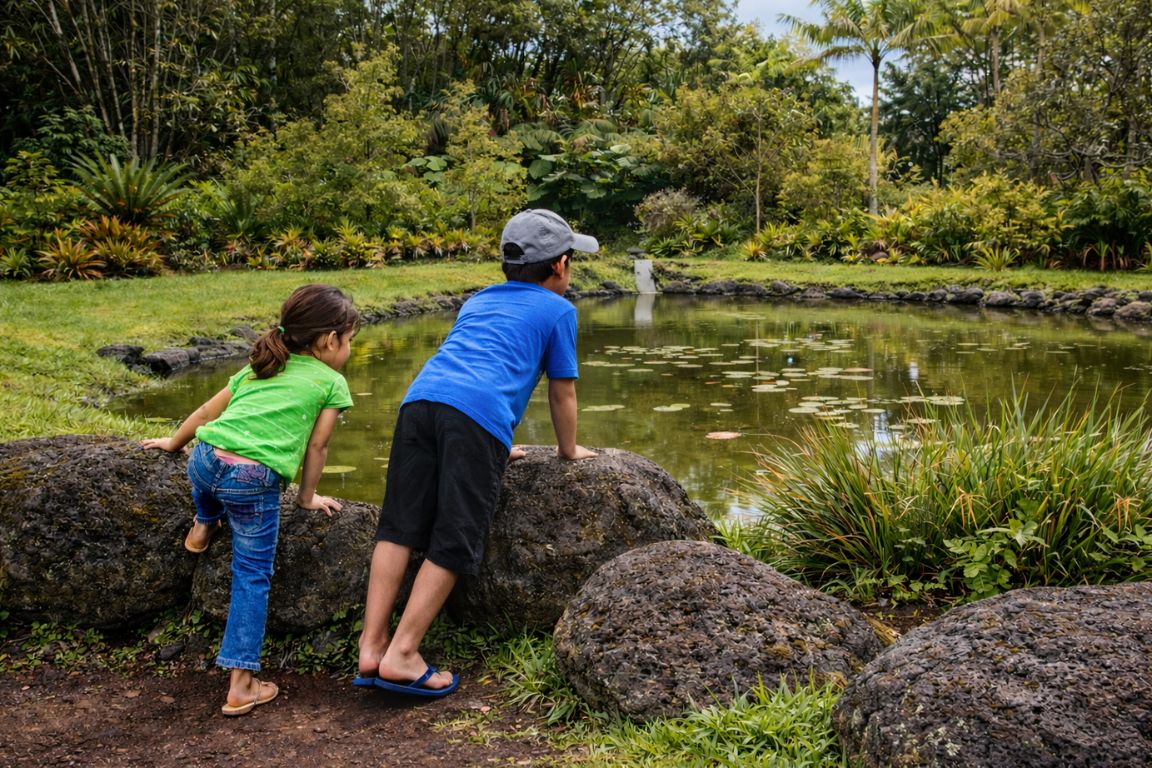 Start with what your group actually cares about, not what sounds most impressive. The Hawaii Tropical Bioreserve is the best single nature experience near Hilo for most visitors, it works for everyone from children to serious botanists and requires no fitness. Richardson Ocean Park is the best coastal experience for families and casual snorkelers. Kaumana Caves is the best option for adventurous visitors who want something wild and free. The Hamakua Coast drive suits independent travelers with a rental car and a full day. Hakalau birding and Waipio Valley descent are specialist experiences for visitors who know specifically why they want them.
A few distinctions that matter for group composition. Families with young children do best at Pana’ewa Zoo (free, enclosed, easy), Richardson Ocean Park (lifeguards, calm water, turtles), and ‘Akaka Falls (paved, stroller-friendly to the lower viewpoint). Couples and independent travelers get more from the Bioreserve and the Hamakua Coast drive, which reward slow pace and curiosity. Physically active visitors who want real exertion should look at the Waipio Valley descent, the Hakalau birding hike, or the Botanical World ziplines. Visitors with mobility limitations have options at the Bioreserve (guided), Richardson (flat beach access, metal stairs into the water), and Liliuokalani Gardens (flat, paved).
Budget matters differently than most places. Hilo’s best nature experiences are disproportionately free or cheap: Richardson is free, Kaumana Caves is free, Pana’ewa Zoo is free, Liliuokalani Gardens is free, and the Pepe’ekeo Scenic Drive costs nothing but gas. The premium experiences – the Bioreserve, Botanical World Adventures, guided Waipio Valley tours – are priced fairly for what they deliver, but you can construct a full day of excellent nature in Hilo for essentially nothing beyond a rental car and a tank of gas.
Wondering which paid tours are genuinely worth it and which free alternatives deliver almost the same experience? This Hilo tours on a budget guide covers what most Hawaii travel blogs won’t tell you.
For guided tours specifically, the quality gap between operators is real. Look for: guides who are from the area and can speak to Hawaiian cultural context, not just plant names and geological facts. Small group sizes (under 12) so the guide can read the group’s energy and slow down when something interesting is happening. Operators who build in flexibility for conditions – a good guide adjusts when the weather changes, not when the clock hits the scheduled departure time.
What Should You Know Before Booking a Hilo Nature Tour?
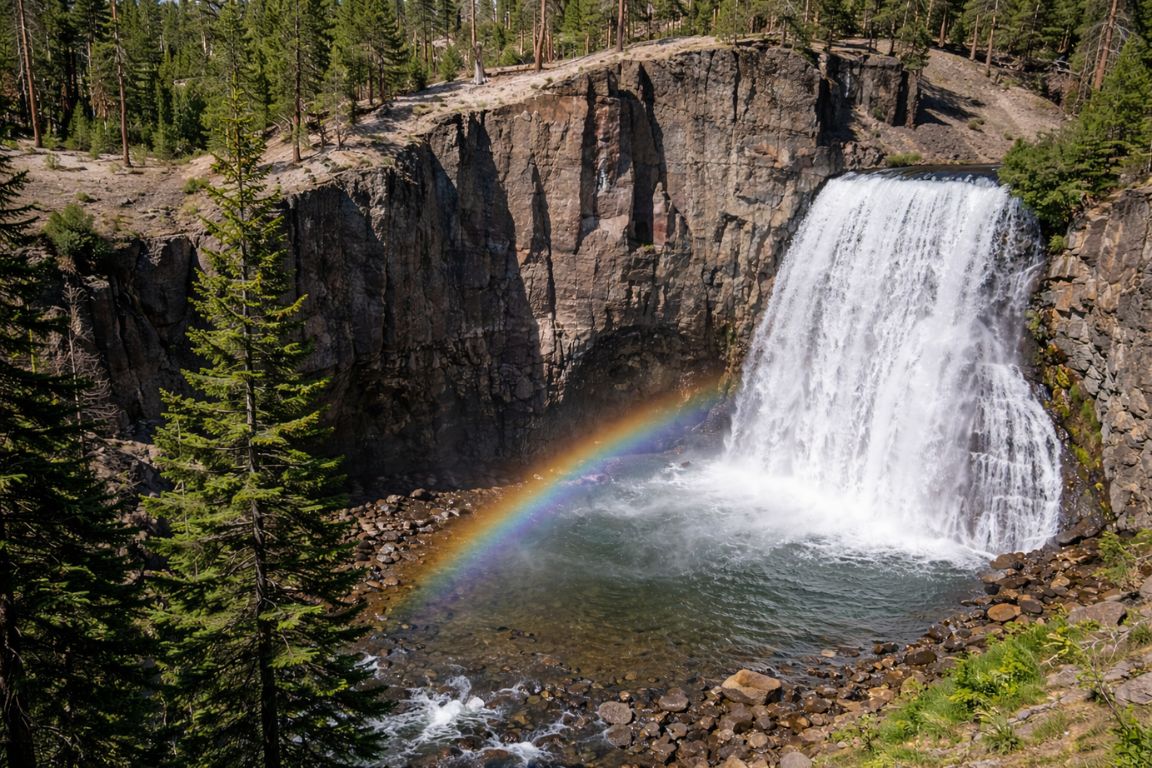 Three things catch visitors off guard at Hilo’s nature sites: the rain, the insects, and the credit-card-only payment requirements at state parks. Rain in Hilo falls mostly in afternoon bursts – plan outdoor activities for morning and save indoor experiences for afternoons. Mosquitoes at Kaumana Caves and the Bioreserve are aggressive and numerous – bring repellent and long sleeves or you will regret it. All Hawaii state parks now require credit card payment; no cash is accepted at ‘Akaka Falls or Rainbow Falls, and cell service at both locations is unreliable.
The insect situation at Kaumana Caves specifically deserves its own emphasis. Multiple visitor accounts across multiple platforms say the same thing: the mosquitoes there are aggressive and thick, especially around the cave entrance and in the fern-covered descent area. “You will be eaten alive” is not hyperbole, it is a consistent visitor report. Wear long sleeves and long pants even in warm weather. Apply repellent liberally before getting out of the car, not at the cave entrance. If you forget repellent, the caves themselves are noticeably cooler and drier underground and the insect pressure drops once you are inside the tube.
The state park payment situation changed meaningfully in 2026. Rainbow Falls, previously free, now charges $5 per person plus $10 per vehicle for non-residents as of January 2026. ‘Akaka Falls has charged $5 per person plus $10 per vehicle for several years. Both parks are credit card only, and both have unreliable cell service. Download ParkMobile before leaving Hilo (zone #808030 for ‘Akaka Falls at Honomu). Pay for Rainbow Falls by QR code at the parking area while you still have good signal in town.
For the Bioreserve, arrive at opening – 10am. The morning mist in Onomea Valley creates the best light for photographs and the most atmospheric walking conditions. By midday the light is flat and the crowds have built. The trail descends steeply, which means the return climb is real exercise. Budget 90 minutes minimum; more if you shoot photos or like to read signs. The boardwalk is steep – people with significant mobility limitations should check with the garden about accessibility before booking.
For Richardson Ocean Park, the best snorkeling conditions are in the morning before afternoon winds pick up and on weekdays when the park is less crowded. The black sand gets very hot by midday – bring sandals or water shoes to walk the beach. Use reef-safe, coral-safe sunscreen only – the park is inside a marine conservation area and the coral is living. Keep 10-15 feet from any sea turtle in the water or on shore; it is a federal requirement under the Marine Mammal Protection Act and Endangered Species Act.
Want to make sure you’re not missing anything before you book? Check out our how to plan a trip to Hilo tours guide so everything lines up properly.
| Plan outdoor nature activities for morning; rain typically comes afternoons | All outdoor sites |
| Bring bug repellent and long sleeves – especially for Kaumana Caves | Kaumana Caves, Bioreserve, rainforest trails |
| Download ParkMobile before leaving Hilo (zone #808030 for Akaka Falls) | ‘Akaka Falls, Rainbow Falls |
| Bring a headlamp (plus backup) for Kaumana Caves | Kaumana Caves lava tube |
| Arrive at Richardson Ocean Park on weekday mornings for best turtle and snorkel conditions | Richardson Ocean Park |
| Use reef-safe sunscreen only at Richardson (marine conservation area) | Richardson Ocean Park |
| Stay 10-15 feet from sea turtles – it is federally required, not just suggested | Richardson Ocean Park and any sea turtle sighting |
| Arrive at the Bioreserve at 10am opening for best light and smallest crowds | Hawaii Tropical Bioreserve & Garden |
| Waipio Valley road is closed to rental cars; take a guided shuttle or hike | Waipio Valley |
Information verified April 14, 2026. State park fees and access rules subject to change; verify at Hawaii DLNR official site before visit.
Questions about planning your Hilo nature day? The Hilo day tour of volcanoes, waterfalls, and black sand beaches puts those stops on one 7-hour itinerary.
Frequently Asked Questions
What is the best nature experience near Hilo for families?
Pana’ewa Rainforest Zoo (free, enclosed, 80+ species including a white Bengal tiger), Richardson Ocean Park (lifeguards, sea turtles, calm water), and ‘Akaka Falls State Park (stroller-friendly paved trail, 442-foot waterfall) are the three best family-oriented nature experiences near Hilo. All three are within 35 minutes of downtown. Richardson is the best for children who want to get in the water.
Where can I see sea turtles near Hilo for free?
Richardson Ocean Park, about 2 miles from downtown Hilo, is the most reliable free spot for green sea turtle sightings on the east side of the Big Island. Turtles rest and feed in the tide pools year-round. Morning on weekdays is the best time. Stay at least 10-15 feet from any turtle – it is a federal requirement. The park has lifeguards, showers, restrooms, and free parking.
Is Kaumana Caves safe to visit without a guide?
Yes, but with preparation. The cave is free and unguided. You need: a headlamp or strong flashlight per person (multiple if possible), closed-toe shoes with grip, long pants for the crawl sections in the left tube, and mosquito repellent applied generously before you get out of the car. The cave is cool, damp, and pitch dark beyond the entrance light. Do not go alone. The accessible sections are safe; the cave is not dangerous if you have light and proper footwear.
How far is the Hawaii Tropical Bioreserve and Garden from Hilo?
About 5 miles north of downtown Hilo on Highway 19, roughly a 15-minute drive. The garden is open daily 10am–6pm (last entry 5pm). Admission is approximately $32 per adult. The 1.25-mile self-guided trail takes 90 minutes to 3 hours. Guided tours are available Monday through Saturday at 10am and 1pm for a deeper botanical and conservation experience.
Can you drive into Waipio Valley?
Not legally in a rental car. The road into Waipio Valley has a 25-40% grade and is currently restricted to residents and commercial operators with county permits. Rental car agencies prohibit their vehicles on this road. To get to the valley floor, you take a guided shuttle or 4WD tour (approximately $60–$100), or hike the steep 1-mile descent on foot. The free Waipio Valley Lookout at the top of the road provides a dramatic view of the valley, Hi’ilawe Falls, and the black sand beach below, and is itself worth the 50-mile drive from Hilo.
What nature experiences near Hilo are completely free?
Several excellent ones: Richardson Ocean Park (sea turtles, snorkeling, beach), Kaumana Caves lava tube, Pana’ewa Rainforest Zoo, Liliuokalani Gardens, the Pepe’ekeo Scenic Drive, the Waipio Valley Lookout, and Rainbow Falls (though Rainbow Falls now charges $5/person + $10/vehicle as of January 2026 – only residents are free). A full day of excellent Hilo nature costs essentially nothing beyond a rental car if you choose these sites.
This guide comes from Hilo Tours' own trip notes.