Best Time to Visit Hilo
Best time to visit Hilo? Target April-June or September-October for less rain, lower prices, and fewer crowds - plus when to avoid and how to plan around the weather.
Last updated: May 1, 2026
| Late April-June | Best weather, low crowds, lowest prices of year | You need to avoid Merrie Monarch week (April) |
| September-October | Most sunshine hours, post-summer price drops | Hurricane season risk (rare but real) |
| July-August | Warm temperatures, active volcano season | Summer crowds and peak hotel prices |
| November-March | Budget travel, whale watching (offshore), holiday atmosphere | Wettest stretch; March is worst month for rain |
Weather data from NOAA records and long-term climate averages. Prices verified April 14, 2026.
What Is the Weather Actually Like in Hilo Year-Round?
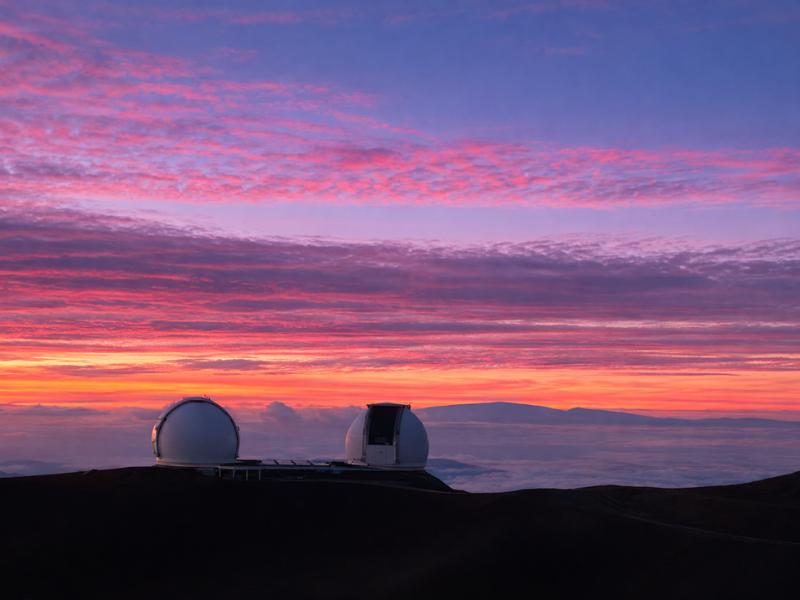
Hilo is the wettest city in the United States, averaging 130-142 inches of rain per year in the downtown area. Temperature barely moves – daytime highs stay between 70-83°F year-round with almost no seasonal swing. What changes month to month is not heat, but rainfall and sunshine. The rain pattern matters more than the numbers: most precipitation falls in late afternoons and overnight, leaving mornings frequently clear and workable for outdoor plans.
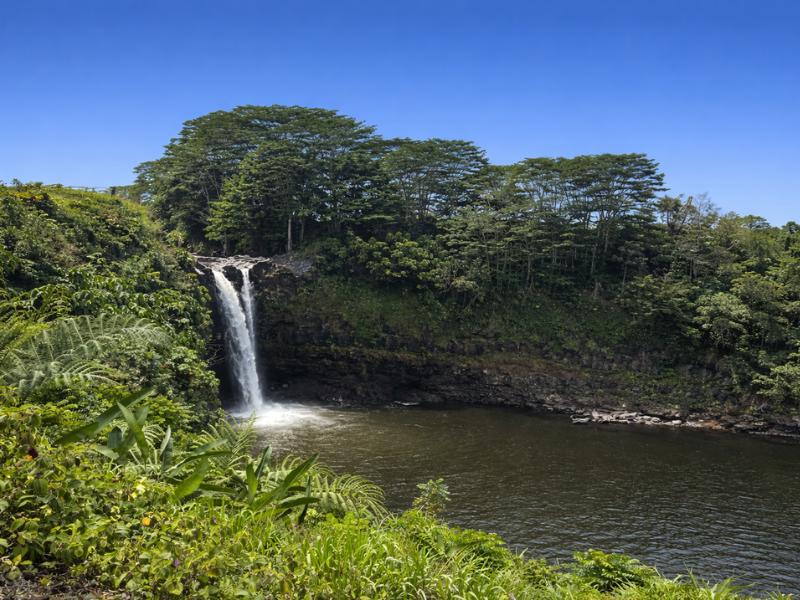
The trade winds blow consistently from the northeast and hit the Big Island’s east side, rising over the volcanic slopes of Mauna Kea and Mauna Loa and dropping their moisture as rain before reaching the west. Hilo sits directly in the path of that moisture. The town’s lushness – the waterfalls, the ferns that carpet every hillside, the botanical gardens that would make a botanist weep – is the direct product of that rain. You cannot separate the two.
What most travel guides get wrong is the framing. Hilo is not “rainy” in the way Seattle is rainy – persistent, grey, all-day drizzle. It rains hard, then it stops. The sky opens. A rainbow appears over Hilo Bay. This happens multiple times a day during the wetter months. During the drier months of June and September, you can spend entire mornings outdoors without a drop. Even in the wettest months, if you get up and move early, you get the good hours.
Temperature is genuinely consistent. The warmest month, August, averages a high of around 83°F. The coolest, February and March, still reaches the low-to-mid 70s. Nights vary from about 64°F in winter to 70°F in late summer. The volcano summit sits at 4,000 feet and runs significantly cooler – bring a layer regardless of season if you are heading to the park.
Humidity runs high year-round, ranging from about 75-80% on average. The trade winds offset most of it at sea level. Higher up in the hills, or on still mornings before the winds pick up, it sits heavier. This is normal for a tropical rainforest climate and not something to plan around, just something to expect.
If you would rather have the day’s stops sequenced for you, the Hilo Day Tour: Volcanoes, Waterfalls & Black Sand Beaches covers the park, waterfalls, and coast in one 7-hour outing.
Want to find the most stunning waterfalls on the Big Island without the guesswork? Here’s our best waterfalls near Hilo tours guide so you hit the right ones.
When Is the Best Time to Visit Hilo for Good Weather?
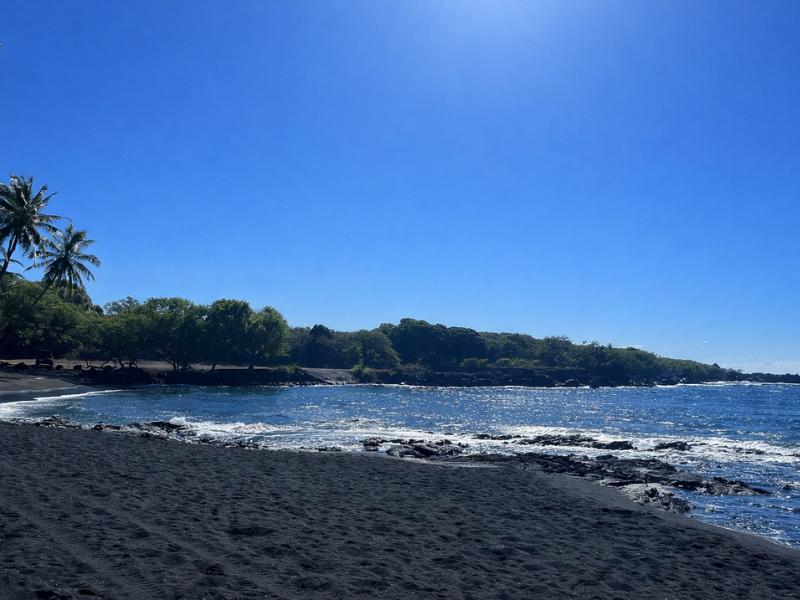
June gives you Hilo’s driest, sunniest days of the year – the least rainfall of any month and the longest daylight hours, averaging over 10 hours of sunshine daily. September runs close behind with the most average daily sunshine hours of any month (up to 7.5 hours) and warm ocean temperatures. The sweet spot for most travelers is late April through June for driest conditions, or September through October for sunshine plus post-summer price drops.
June stands out clearly in the data. Rainfall drops to roughly 7 inches for the month – compared to 16 inches in November and over 13 inches in March. The days are the longest of the year, topping 13 hours of daylight. Cloud cover is lighter. It is not dry in the way Kona is dry, but by Hilo’s standards it is remarkably open. Mornings in June can feel genuinely tropical-postcard good.
Trying to decide between the rainy lush side and the sunny dry side? Check out our Hilo vs Kona where to stay guide before you commit to either.
September is different but equally strong. By September the summer rush has cleared, school is back in session, and Hilo’s trails and overlooks thin out considerably. The ocean reaches its warmest temperature of the year, averaging about 79°F at the surface. Daily sunshine averages around 7.5 hours, the highest of any month despite September not being the official driest. The combination of warm water, clear skies, and low crowds makes it arguably the single best month to visit for most travelers.
Late April and May sit in a transitional zone that works well. The heaviest winter rains have eased, summer prices have not yet kicked in, and the waterfalls are still running strong from the wet season. The landscape is at its most vivid during this period – intensely green in a way that photos cannot fully capture. Wildflowers along the Hamakua Coast. Orchids everywhere. The Merrie Monarch Festival happens in early-to-mid April (following Easter Sunday), which brings a cultural bonus but also crowds and higher hotel rates specifically during that week.
| January | ~73°F | ~9.3 in | ~5 hrs | Cool, wet, cheap |
| February | ~73°F | ~9.6 in | ~5 hrs | Wettest stretch begins |
| March | ~73°F | ~13.4 in | ~5 hrs | Wettest month – avoid |
| April | ~76°F | ~11.5 in | ~5 hrs | Merrie Monarch week; rain easing |
| May | ~78°F | ~8.1 in | ~5 hrs | Good shoulder season window |
| June | ~80°F | ~7.4 in | ~6-10.9 hrs | Best weather of the year |
| July | ~82°F | ~10.8 in | ~5 hrs | Warm, peak crowds, higher prices |
| August | ~83°F | ~9.8 in | ~5 hrs | Hottest month; summer peak |
| September | ~82°F | ~9.9 in | ~7.5 hrs | Most sunshine; post-summer deals |
| October | ~81°F | ~9.8 in | ~5 hrs | Strong shoulder option; warm ocean |
| November | ~77°F | ~15.5 in | ~4 hrs | Wettest month – avoid if possible |
| December | ~74°F | ~11.6 in | ~4-6.5 hrs | Holiday rates; wetter conditions |
Data from long-term climate averages (NOAA, CRU/University of East Anglia, weather-and-climate.com). Verified April 14, 2026.
One insight that most guides skip: the rain pattern within a day matters more than monthly totals. In Hilo, mornings are reliably the clearest part of every day, across all seasons. If you are at ‘Akaka Falls by 8am, you are almost always in good conditions. If you arrive at 2pm, your chances depend on the month. Front-load your outdoor activities and Hilo becomes dramatically more weather-reliable than the rainfall numbers suggest.
We’ve put together a full planning breakdown in our how to plan a trip to Hilo tours guide so you know exactly what to sort out and in what order.
What Is the Cheapest Time to Visit Hilo?
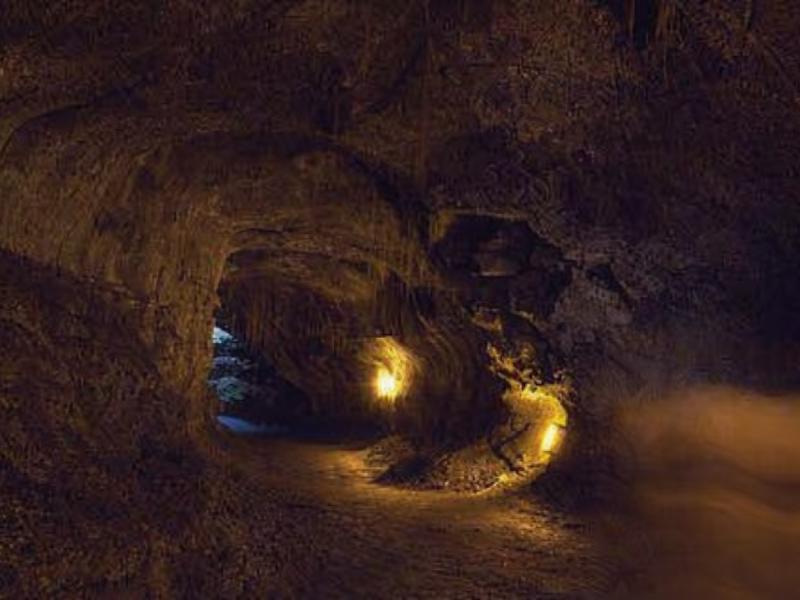
Mid-April through early June and September through mid-November are Hilo’s cheapest windows. Hotel rates drop 30-50% compared to peak season. Fewer visitors means more rental car availability, easier restaurant reservations, and shorter waits at popular sites. The one exception within the shoulder window is Merrie Monarch week in April, when every hotel in Hilo sells out weeks in advance at premium rates.
Hawaii’s two peak travel seasons drive prices island-wide: mid-June through August (family summer break) and mid-December through early January (holidays). Outside those windows, rates soften considerably. Hilo benefits from this even more than the rest of the island because it never had the resort infrastructure that Kona uses to prop up rates year-round.
Mid-range hotels in Hilo that run $180-$250 per night in peak summer months regularly drop to $130-$165 in shoulder season. Rental cars follow a similar curve – availability opens up and daily rates fall. Book flights 3-4 months ahead for the best fares. If you are traveling in September or October specifically, a Tuesday or Wednesday arrival typically gets you the lowest rates because weekend demand even in shoulder season stays elevated.
The Merrie Monarch exception is real and worth flagging clearly: the festival runs for one week each spring starting the Sunday after Easter (typically late March or early April). During that week, Hilo hotels book solid at elevated rates, sometimes months in advance. If the festival is not on your itinerary, plan around it. If it is – book the moment the dates are announced, usually several months prior.
Want to experience the best of Hilo without the Hawaii price tag? Here’s our Hilo tours on a budget guide so you know where the real value actually is.
| Peak (Summer) | Mid-June-Aug | $200-$308 | High |
| Peak (Winter) | Mid-Dec-early Jan | $200-$308 | High (holiday) |
| Merrie Monarch week | Late March-April | Often sold out or premium | Very high (Hilo-specific) |
| Shoulder (Spring) | Late April-early June | $130-$165 | Low |
| Shoulder (Fall) | Sept-mid-Nov | $130-$165 | Low |
| Off-peak (Winter) | Jan-mid-March | $103-$140 | Low (but wetter) |
Hotel rates based on Hilo mid-range averages and seasonal data. Prices verified April 14, 2026. Hawaii TAT (11% as of Jan 2026) and GET (4%) apply to all accommodation.
When Are the Biggest Crowds in Hilo?
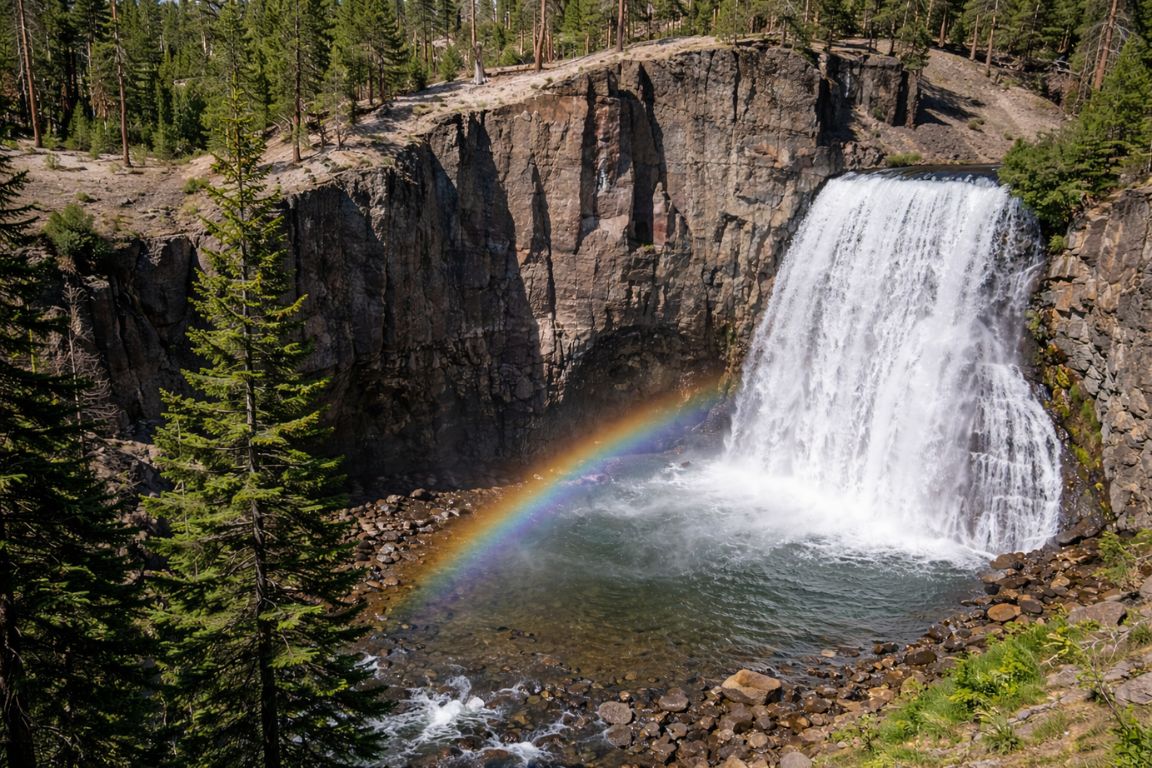 Hilo never reaches the tourist saturation of Waikiki or Maui’s resort coast, but it does have three distinct crowd spikes: summer (July-August), the holiday window (mid-December through New Year), and Merrie Monarch week in spring. The volcano and popular viewpoints can see parking lots fill by 10am on busy days during these periods. Arriving early solves most crowd problems at any time of year.
Hilo is the quieter side of the Big Island by design – no mega-resorts, fewer organized tour packages, fewer flight options from the mainland. That structural quietness means even at peak times it does not feel overwhelmed the way popular Oahu beaches do in July. But the crowds that do come are real, and they concentrate in predictable places.
Hawaii Volcanoes National Park is the single most affected site. In peak summer, parking lots at the crater rim overlooks fill before 10am. The Kilauea Visitor Center gets backed up. Chain of Craters Road sees slow-rolling traffic during busy periods. The fix is simple and consistent across all seasons: arrive before 9am, or go after 4pm when day-trippers have started leaving. The park is open 24 hours, and the crater glow at night is the best experience anyway.
Rainbow Falls, ‘Akaka Falls, and the Hilo Farmers Market also see their largest crowds on summer weekends and during the holiday stretch. The farmers market specifically draws cruise ship visitors on port days – mid-morning on those days the market can feel genuinely packed. Cruise ships typically dock in Hilo mid-morning and leave by late afternoon. Planning your market visit before 8:30am or after 2pm on port days gives you a completely different experience.
September and October are the most consistently crowd-light months of the year in Hilo. The summer families have gone home. The holiday crowd has not yet arrived. The volcano overlooks are quiet enough that you can stand at the Uekahuna rim and hear nothing but wind and the distant sound of the caldera. That particular quiet is one of the things that makes Hilo worth the effort.
Want to see the best of Hilo without missing your ship? Here’s our Hilo tours cruise day guide so you plan the day right.
The Punalu’u Black Sand Beach, Volcanoes National Park & Hilo Tour covers those three stops in a single 8-hour day.
What Are the Best Local Events and Festivals to Plan Around?
The Merrie Monarch Festival is the anchor event of Hilo’s cultural calendar – the world’s most prestigious hula competition, running for one week each spring starting the Sunday after Easter. It transforms the town completely and is worth building a trip around if you can get tickets. Other highlights include the Hilo Orchid Show (July), the Aloha Festivals (September), summer Bon dances, and the Lei Day celebration in May. Several of Hilo’s best events are free.
The Merrie Monarch Festival needs its own paragraph because nothing else on the Big Island compares to it. Started in 1964, the festival honors King David Kalakaua, the last Hawaiian king, who revived hula after it had been suppressed under missionary influence. The week includes a free exhibition night (Ho’ike), an invitational Hawaiian arts and crafts fair, a parade through downtown Hilo, and three nights of competition at Edith Kanaka’ole Stadium – Miss Aloha Hula on Thursday, group ancient hula (kahiko) on Friday, and modern hula (‘auana) on Saturday. Competition tickets are precious and often sell out the moment they go on sale. But most of the week’s events, including the Ho’ike night and the parade, are completely free and open to the public.
The Hilo Orchid Show, typically held in July at Edith Kanaka’ole Stadium, is one of those events that surprises visitors who stumble into it without knowing. Hundreds of orchid varieties, growers from across the island, plants for sale, repotting demonstrations, and a level of horticultural obsession that is specific to Hilo and the wet east side climate that makes orchids thrive here. It is a genuinely local event with minimal tourist packaging.
The Bon dance season runs June through August. These are Japanese Buddhist summer festivals, held at Buddhist temples across the island, where communities gather after dark to dance in circles around a central raised platform to the sound of taiko drums. The tradition has been in Hawaii since plantation days and has become part of the broader community across all backgrounds. They are free, open to everyone, and one of those experiences that sits outside of any travel itinerary but stays with you long after the trip is over.
The Aloha Festivals come to the Big Island in September, featuring cultural performances, a block party, hula exhibitions, and a royal court investiture ceremony. Lei Day (May 1) brings a free celebration at Kalakaua Park with lei-making demonstrations, hula performances, and plant and orchid sales. The King Kamehameha Day Celebration in June includes a parade through Hilo with costumed riders, marching bands, and food vendors along the bayfront.
| Merrie Monarch Festival | Week after Easter (March-April) | Free (most events); competition tickets sold out fast | World’s premier hula competition; parade; arts fair |
| Lei Day Celebration | May 1 | Free | Lei-making, hula, orchid sales at Kalakaua Park |
| King Kamehameha Day Parade | June (around June 11) | Free | Costumed parade, music, food along Hilo bayfront |
| Bon Dances | June-August (weekends) | Free | Community Buddhist summer dances at local temples |
| Hilo Orchid Show | July | Minimal/free entry | Annual orchid show and sale; 200+ varieties |
| Aloha Festivals (Big Island) | September | Mostly free | Cultural performances, block party, hula, parade |
| Hilo Farmers Market (year-round) | Wed & Sat year-round | Free (browsing) | 200+ vendors; best on Wed/Sat mornings |
What Is the Best Time to Visit Hawaii Volcanoes National Park?
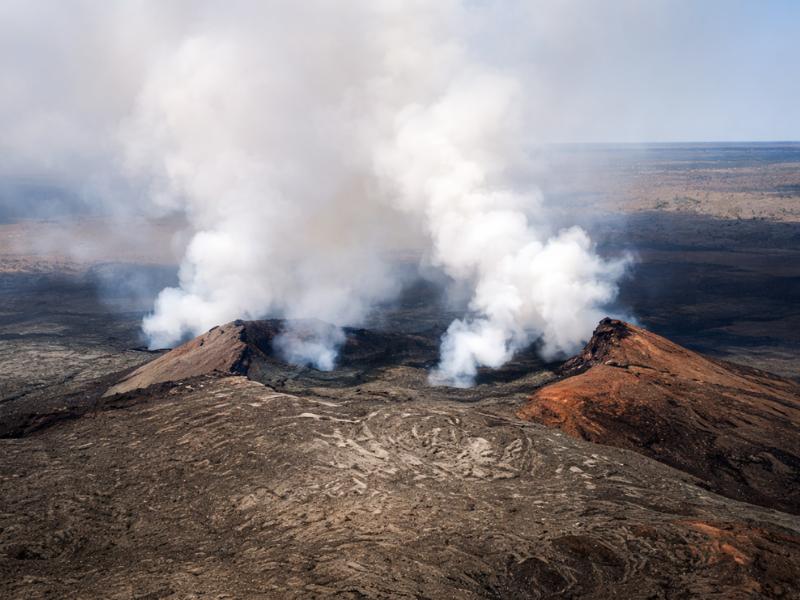
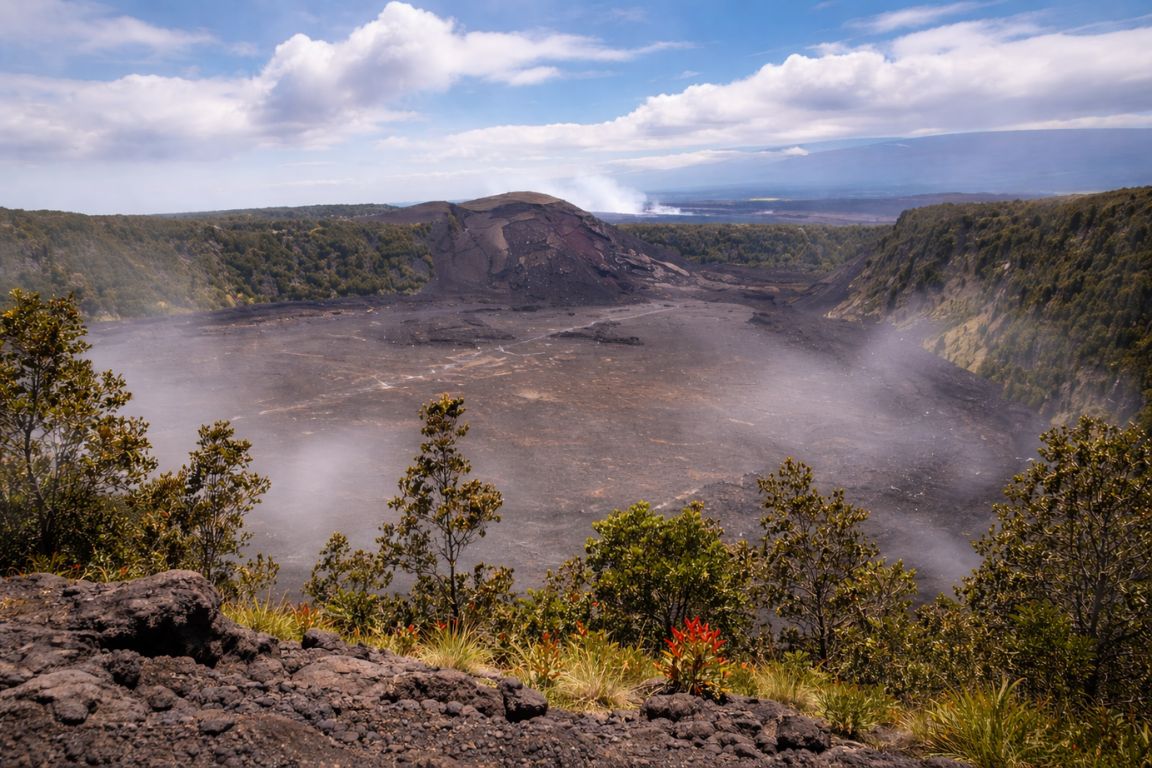
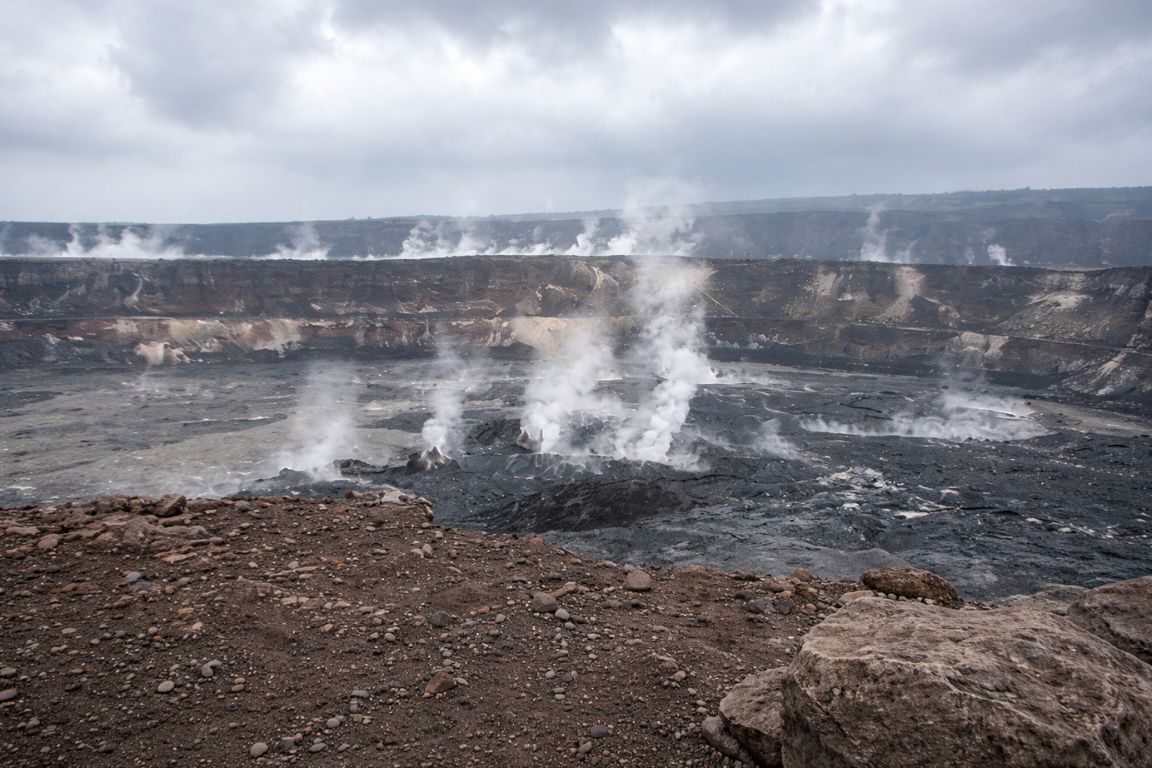 The volcano has no off-season – the park is open 24 hours every day of the year. But timing your visit makes a significant difference. Arrive before 9am or after 4pm to avoid parking pressure and tour-bus congestion. Visit at night to see the Halema’uma’u crater glow, which is the park’s most memorable experience. As of early 2026, Kilauea has been actively erupting in episodes since December 2024, meaning live lava activity is currently visible from public viewpoints – check NPS conditions before going.
The park sits at about 4,000 feet elevation, which means temperature runs 10-15°F cooler than sea-level Hilo. In summer, this is a welcome relief. In winter, it can drop into the 50s with wind and rain. The summit once saw blizzard conditions with winds exceeding 100mph in a March 2026 storm. Bring a layer every month of the year, without exception.
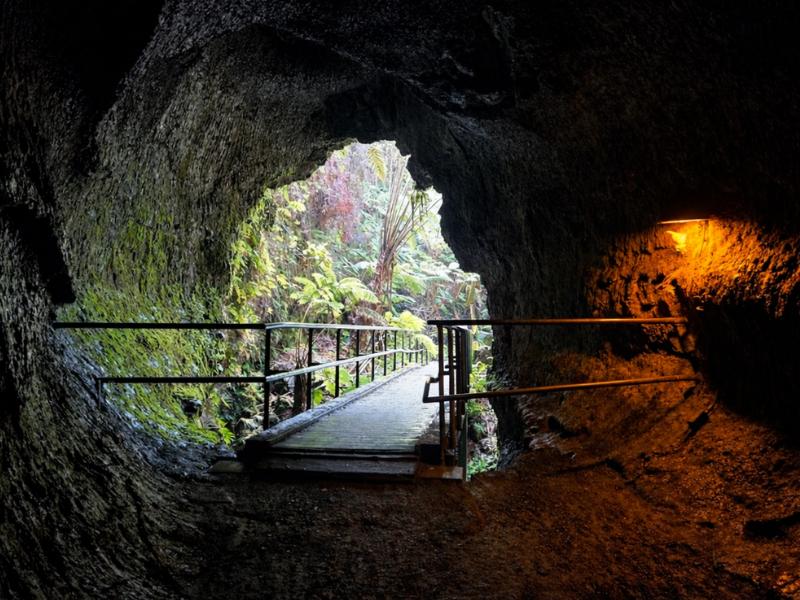
The single most important timing decision for the volcano is day versus night. Daytime shows you the scale and geology of the landscape. The steam vents, the lava tube at Nahuku, the Chain of Craters Road dropping 3,700 feet to the ocean. All of it is excellent. But at night, if Kilauea is erupting, and it has been erupting episodically since December 2024, with 44 episodes logged through April 2026 – the Halema’uma’u crater produces an orange glow that reflects off the gas plume above it and can be seen for miles. Lava fountains during active episodes have reached heights over 1,000 feet. It is not something a daytime visit prepares you for.
Guides who have spent years at the park develop a rhythm: go once in the morning to see the landscape and do the trails, go back after sunset for the glow. The $30 vehicle entry is valid for 7 consecutive days, so return visits cost nothing extra. The park no longer accepts cash – buy your pass in advance at Recreation.gov before you leave for the park, since cell service near the entrance is unreliable.
Season-by-season for the park: spring (April-June) brings mild temperatures, drier days, and lighter crowds. Summer brings more visitors and warm weather but the trails stay comfortable. Fall (September-October) is quiet and clear. Winter is moody, occasionally spectacular, and cold – the crater fog at night during winter has an atmosphere that summer simply cannot match, but you need to be prepared for it.
Visiting Volcanoes National Park and want to make the most of it? Here’s our best volcano tours from Hilo guide so you don’t miss the highlights.
Is There a Bad Time to Visit Hilo?
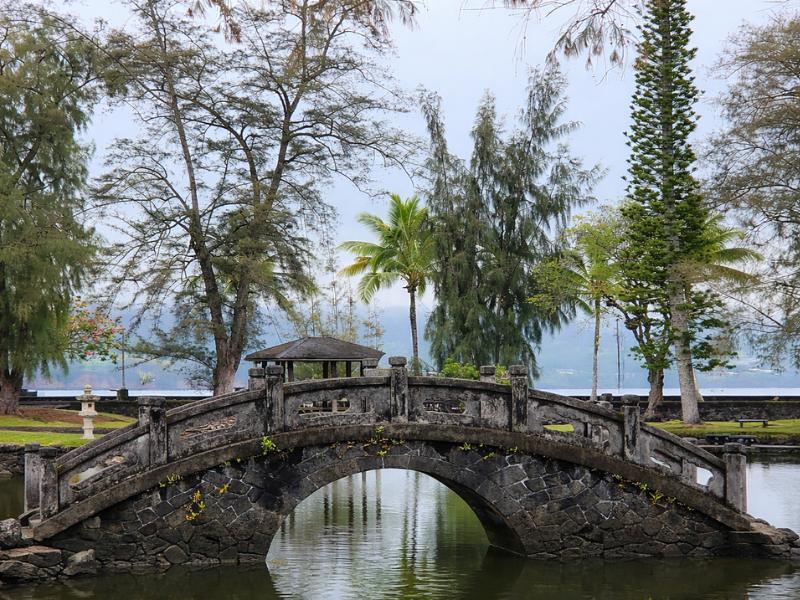
March is the single worst month for weather – the rainiest of the year with the fewest sunshine hours, grey skies, and limited outdoor usability. Mid-December through early January brings peak prices, holiday crowds, and some of the wettest conditions of the year. Neither period is a disaster, but if weather and value matter to you, both are worth avoiding if your dates are flexible.
March combines high rainfall (averaging over 13 inches) with peak cloudiness. The trails around ‘Akaka Falls can be muddy and slippery. The volcano summit sees the most weather instability of any month. The farmers market still runs, the downtown still has charm, and the volcano is open regardless but if you came for outdoor exploration, March will test your patience.
The holiday window (roughly mid-December through early January) has the opposite problem: the weather is not the worst of the year, but the prices are at their peak and every popular site is busier than usual. Hilo does not get the full resort-level pricing of Kona during this window, but hotels still spike 30-50% above shoulder rates, rental cars get scarce, and the usually calm farmers market gets noticeably more crowded.
One thing that does not deserve its bad reputation: January and February. Both are wet, yes, but they are genuinely cheap and often underestimated. The rain falls mostly at night. Daytime conditions are often acceptable. Hotel rates drop to the lowest of the year. The town is quiet in a way that can feel like a gift after months of summer visitors. For the right traveler – one who is not weather-dependent and cares more about solitude than sunshine – January in Hilo can be quietly excellent.
One genuine risk worth naming: hurricane season runs June 1 through November 30. Direct hits on the Big Island are rare and the mountains often deflect or weaken storms, but tropical storms and their residual rain bands can affect conditions, especially in September and October. Check NOAA forecasts before traveling during that window and have a flexible itinerary that can absorb a weather day without feeling like a wasted trip.
Month-by-Month Breakdown: What to Expect When You Visit Hilo
 Hilo’s monthly differences are mostly about rainfall volume and crowd levels rather than dramatic temperature swings. The temperature range across the entire year spans only about 10°F. What you’re really choosing when you choose your month is how much rain to expect, how many other visitors you’ll share the trails with, and how much you’ll pay for a room.
January: Cheapest month of the year for accommodation. Wet but manageable – rain mostly falls overnight. Quiet streets. Good for the serious budget traveler who cares more about value than sun. Average high around 73°F. Expect grey mornings that often clear by midday.
February: Similar to January. Rainfall ticks up slightly. The landscape is intensely green. Humpback whales are offshore – the park’s whale watch viewpoints along the coast can yield sightings from land. Still very cheap. Cold nights by Hilo standards (low 60s°F).
March: The wettest month of the year. 13+ inches of rainfall, highest cloud cover, worst sunshine numbers. The volcano summit can see storms. Trails get muddy. Avoid if you have flexibility. Prices stay low because the word has gotten out.
April: Rain easing from March’s peak. The landscape hits its most vibrant green of the year. Merrie Monarch Festival happens this month (week after Easter) – a genuine cultural event worth planning around, but book hotels immediately when dates are announced. Outside festival week, prices are shoulder-season low.
May: Good shoulder month. Rainfall continues to drop. Prices stay low. Lei Day on May 1 is a free and genuine community event. The days are warming and the mornings are often clear. Trade winds steady. This is a quietly excellent month that most visitors overlook.
June: The best weather month of the year. Lowest rainfall, longest days, most sunshine. Temperatures comfortable – highs around 80°F. Crowds start building toward summer but the first two weeks of June (before school lets out widely) hit a sweet spot of good weather with moderate visitor numbers. This is as close to ideal as Hilo gets.
July: Warm and busy. Rainfall picks back up slightly compared to June. Summer crowds peak. Hilo Orchid Show typically runs this month. Parking at the volcano starts filling earlier in the morning. Still excellent conditions overall, just with more company. Book accommodation further ahead than any other month.
August: Hottest month of the year – average highs around 83°F. Peak crowds. Ocean temperature warmest of the year. The town has an energy that comes with summer – more foot traffic at the farmers market, livelier evenings downtown. Good time to visit if crowds do not bother you and you want the warmest weather.
September: The hidden gem month. Schools back in session, summer visitors gone, prices dropping sharply. September averages the most daily sunshine hours of any month. Ocean still warm from summer. Volcano overlooks quiet. For most travelers with flexible schedules, September is the single best month to visit Hilo.
October: Shoulder season continues. Good conditions, low crowds, reasonable prices. Rainfall ticks up slightly from September but nothing dramatic. Aloha Festivals events wrap up. The landscape stays vivid. Ocean still warm. Strong month, similar to May in its quiet quality.
November: The wettest month of the year – average rainfall near 15.5 inches, and sunshine drops to its lowest. The trade winds sometimes shift, bringing heavier, more sustained rain. November is the month most likely to give you a full day of indoor weather. Prices stay low because most visitors have gotten the message. For budget travelers who can accept weather variability, still workable.
December: Holiday prices kick in mid-month. Rain is heavy but not as extreme as November. The town has a festive atmosphere. Whale watching season begins offshore. Kilauea’s eruptive episodes have historically been striking in December – the current eruption series began December 23, 2024. If you can travel in the first two weeks of December before holiday pricing peaks, the combination of good eruption activity and moderate crowds is genuinely appealing.
If your dates are set, see the Hawaii Volcanoes National Park Safari Adventure or browse best nature tours.
Frequently Asked Questions
What is the driest month in Hilo?
June is Hilo’s driest month, averaging around 7 inches of rainfall compared to the annual average of 130+ inches. It also has the longest days of the year and averages the most sunshine hours of any month. If dry weather is your priority, plan around June.
What month has the most sunshine in Hilo?
September averages the highest number of daily sunshine hours – up to 7.5 hours per day, compared to just 4 hours in November. June is the driest month but September wins on actual sunshine. Both are excellent months to visit for clear skies.
When is the Merrie Monarch Festival?
The Merrie Monarch Festival takes place for one week each spring, beginning the Sunday after Easter. This puts it in late March or April depending on the year. The 2026 festival ran April 5-11. The 2027 festival is scheduled for March 28-April 3. Competition tickets sell out quickly – book hotels and any paid event tickets as soon as dates are announced.
When should I avoid visiting Hilo?
March is the single wettest month of the year – over 13 inches of rainfall on average, lowest sunshine hours, and the most trail and park closures due to weather. Mid-December through early January brings peak prices and holiday crowds. If you have flexibility, both periods are worth avoiding. If you cannot avoid March, plan indoor backup activities and go to the volcano early, before the afternoon weather settles in.
Is it worth visiting Hilo in the rain?
Yes, with the right expectations. Hilo’s rain comes in fast bursts and clears quickly, mostly in afternoons and overnight. Mornings are frequently workable regardless of season. The waterfalls, rainforest hikes, and botanical gardens are at their most dramatic in wet conditions. What the rain does close off are long summit days at the volcano and multi-hour beach excursions. Front-load outdoor activities and have an indoor plan for afternoons.
Is the volcano active right now in Hilo?
As of April 2026, yes, Kilauea has been actively erupting in episodic bursts since December 23, 2024, with 44 episodes logged through April 9, 2026. Visitors currently have excellent chances of seeing volcanic activity from public overlooks. Always check the USGS Hawaiian Volcano Observatory (hvo.wr.usgs.gov) and NPS conditions page (nps.gov/havo) for current status before visiting, as activity can pause or change rapidly.