Is Mauna Kea Worth It?
It's a fair question to ask before you commit an entire evening and a real physical toll to a mountain most visitors have never heard of before booking their Hawaii trip.
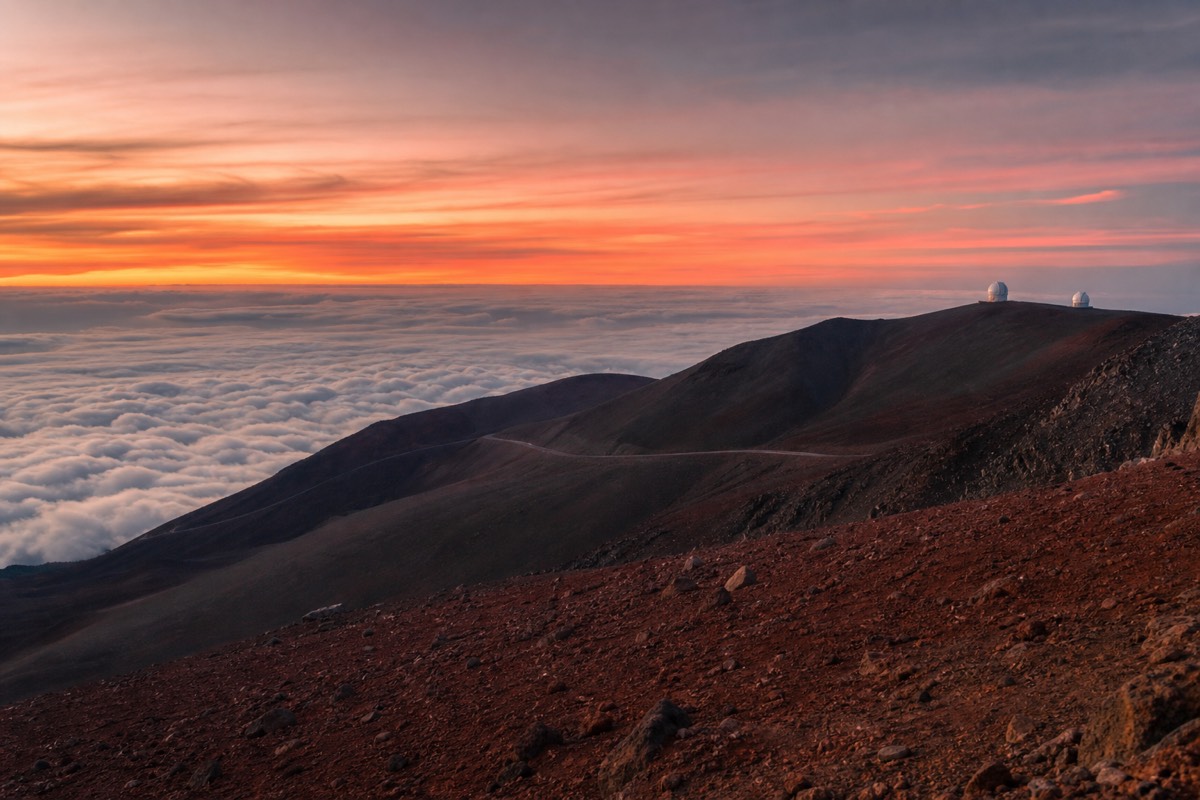
Is Mauna Kea worth it?
For most visitors, yes: standing above the clouds at sunset with some of the clearest night skies on Earth is a genuinely rare experience, not an exaggerated one. The honest caveats are altitude, cold, and weather that can close the summit with little notice.
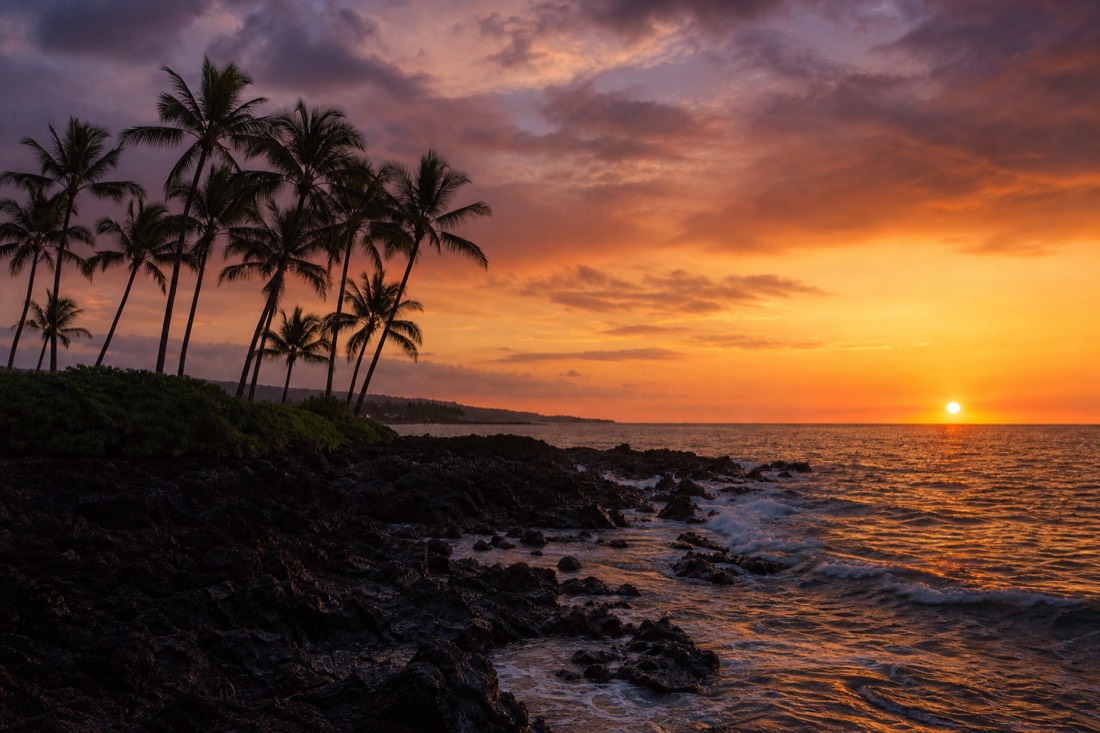
What makes Maunakea unusual is not just the elevation, it is what the elevation does to the sky. At 13,796 feet, above roughly 40% of the atmosphere and often above the cloud layer entirely, the air is dry and still enough that the world's astronomy community built some of its most important observatories here. You do not need a telescope to notice the difference; a clear Maunakea night looks different to the naked eye than anywhere near sea level. Our Mauna Kea summit sunset and stargazing tour is built around exactly this window, sunset above the clouds followed by a guided look at the night sky.
Can you do it without a tour?
Yes, if you have a 4-wheel-drive vehicle for the unpaved summit road and are willing to handle your own acclimatization and timing. A guided tour removes the driving risk, the timing guesswork, and usually includes the telescope and expertise a self-guided trip does not.
The road to the Visitor Information Station at 9,200 feet is paved and manageable in a standard rental car. Above that, the road turns unpaved, steep, and rough, and 4WD is required, not merely recommended. Summit access itself is restricted to a window from thirty minutes before sunrise to thirty minutes after sunset, so an evening visit means timing your ascent carefully rather than showing up whenever suits you.
| Do it yourself | Guided tour | |
|---|---|---|
| Vehicle | Need your own 4WD above the visitor station | Provided |
| Acclimatization stop | Self-managed at the visitor station | Built into the schedule |
| Stargazing equipment | Bring your own | Usually included, with guide expertise |
| Timing and weather calls | Your responsibility | Handled by an operator who does this daily |
How does the altitude affect you?
At the summit there is roughly 40% less oxygen than at sea level, and most visitors arrive from a warm beach within two hours, giving the body no real time to adjust. Headaches, nausea, dizziness and shortness of breath are common even in fit, healthy travelers.
The official guidance, backed by the observatories on the mountain and detailed on the Maunakea safety page, is to stop and acclimatize at the Visitor Information Station for at least 30 minutes before continuing to the summit. Due to the hazards of altitude sickness, pregnant women, people in poor health, and children under 13 should not go above the visitor station at all. This is not a formality; it reflects a real physiological risk that a scenic overlook further down the mountain does not carry.
Will the weather cooperate?
Not always, and that is the honest tradeoff of a summit this exposed. Clear nights deliver an experience few other places on Earth can match, but cloud cover, high winds or, in winter, snow and ice can close the summit road with little warning.
This is one of the strongest arguments for a guided tour over a DIY attempt: operators track conditions daily and make the go/no-go call with far more information than a visitor checking a weather app for the first time that afternoon. If the summit is closed, a well-run Mauna Kea tour still delivers meaningful stargazing lower on the mountain rather than simply canceling the evening. Our best time to visit Hilo guide covers the broader seasonal weather pattern if you are still choosing which week of your trip to gamble on a clear summit night.
Is Mauna Kea really taller than Everest?
Measured from its true base on the ocean floor, Maunakea is taller than Mount Everest, at roughly 33,500 feet base to summit versus Everest's roughly 29,032 feet above sea level. Measured the conventional way, from sea level to peak, Maunakea's 13,796 feet is far shorter.
Both figures are real and both answer a slightly different question, which is why the comparison keeps coming up. Most of Maunakea's height is simply underwater, built up from the seafloor over a very long volcanic history. It is a genuinely enormous mountain by total mass and base-to-peak height; it is just not enormous in the number most people mean when they ask how tall a mountain is. If it is the geology itself that interests you more than the summit views, Maunakea's sister volcanoes get the same treatment in our best volcano tours guide, covering the currently active side of the island's volcanic story.