Kaumana Caves: Is It Worth It, What It Costs, and What to Bring
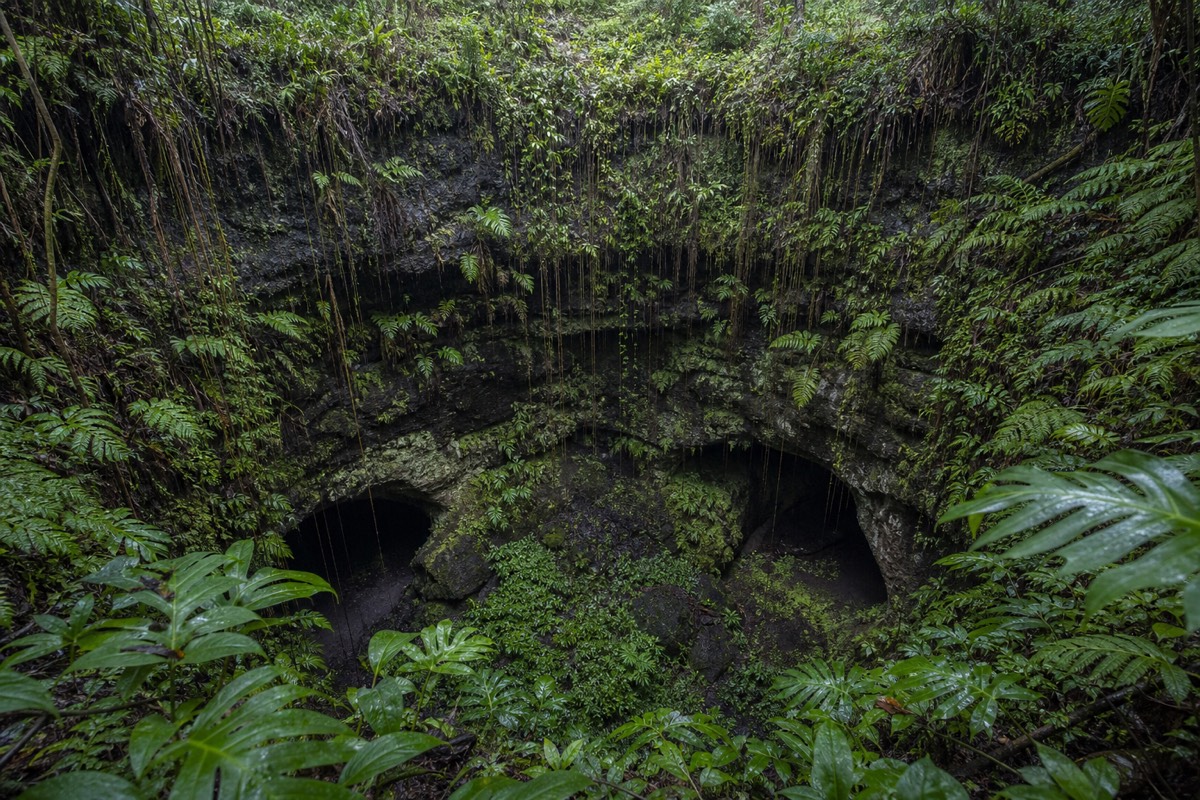
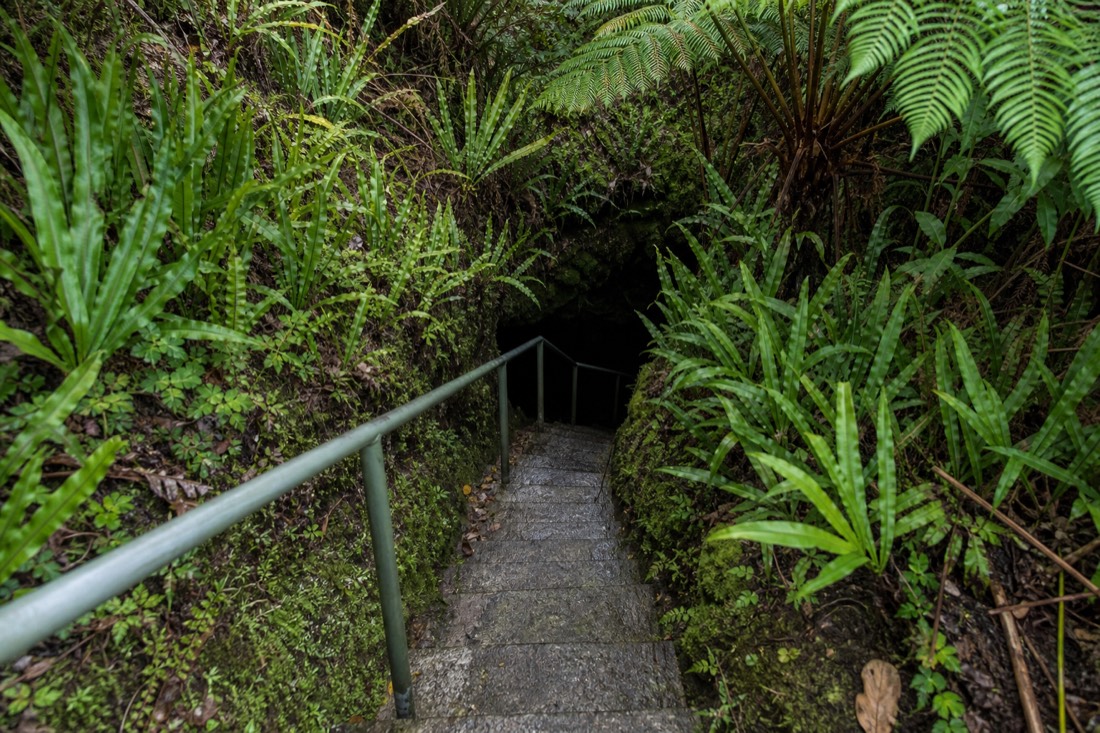
A concrete staircase off a residential road drops straight into a hole in the ground, and at the bottom of it is a tunnel the same lava carved on its way toward Hilo in 1881. Nobody is selling tickets at the top.
Is Kaumana Caves worth visiting?
Yes, for anyone reasonably fit and willing to carry a real light source. It is a genuine lava tube you can walk into for free, four miles from downtown Hilo, and it delivers the same volcanic story as the guided cave tours on this island without a booking, a shuttle or a fee.
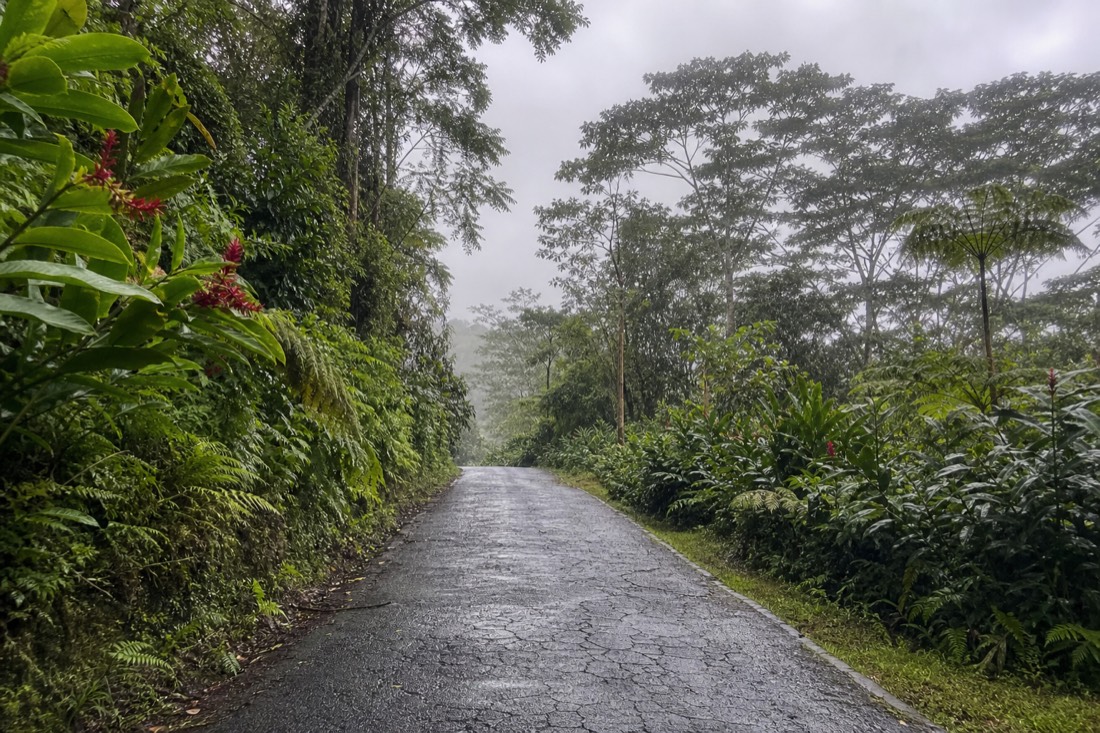
What makes it worth the detour is how little processing stands between you and the geology. There is no visitor center, no gift shop, no ticket line. You park on a residential street, walk down a short path, and the ground opens into a collapsed lava tube with a stairway built into it. Fifteen minutes later you are underground in a tunnel that carried molten rock toward this exact neighborhood in 1881.
It is not for everyone. If you are not comfortable on uneven, wet rock in the dark, or you are traveling with a stroller, skip it and read our best nature tours guide for gentler alternatives nearby. For anyone else, it is one of the few genuinely wild experiences left on this island that costs nothing and needs no reservation.
How much does it cost to visit Kaumana Caves? Is it free?
It is free. Kaumana Caves is a county park, not a state or national park, and Hawaii County charges no entrance fee, parking fee or permit for it. The only cost is whatever you spend on a headlamp if you do not already own one.
That distinction matters because visitors coming from Hawaii Volcanoes National Park, where the entrance station now takes only cards and charges $30 a vehicle, sometimes assume every volcanic site on the island works the same way. Kaumana Caves does not. It sits under the Hawaii County Parks and Recreation system, the same department that runs the Hilo beach parks, and it is treated as an open public park with a pavilion and restrooms at the top, open during normal park hours.
| What you might expect to pay | What it actually costs |
|---|---|
| Entrance fee | None |
| Parking | Free, on Kaumana Drive at the park |
| Guide or permit | Not required |
| Headlamp (if you don't have one) | Roughly $10–$25 at a Hilo hardware or outdoor store |
| Closed-toe shoes | Bring your own; nothing is rented on-site |
If free is the whole point of your day, our Hilo on a budget guide lines this up against the rest of the island's no-cost stops.
Where is Kaumana Caves, and how do you get there?
Kaumana Caves County Park sits on Kaumana Drive about four miles up from downtown Hilo, a drive of roughly ten to fifteen minutes on ordinary paved road. No four-wheel drive or high-clearance vehicle is needed to reach the park.
Kaumana Drive is the same road that continues up toward the Saddle Road route across the island, climbing steadily through rainforest and small residential neighborhoods as it gains elevation. The park itself is easy to miss from the road: a small parking pull-off and a modest sign mark the entrance, with nothing like the scale of a national park facility. Watch your speed and your mirrors on the way up; it is a real neighborhood street, not a scenic pullout built for tour buses.
What is Kaumana Caves actually like inside?
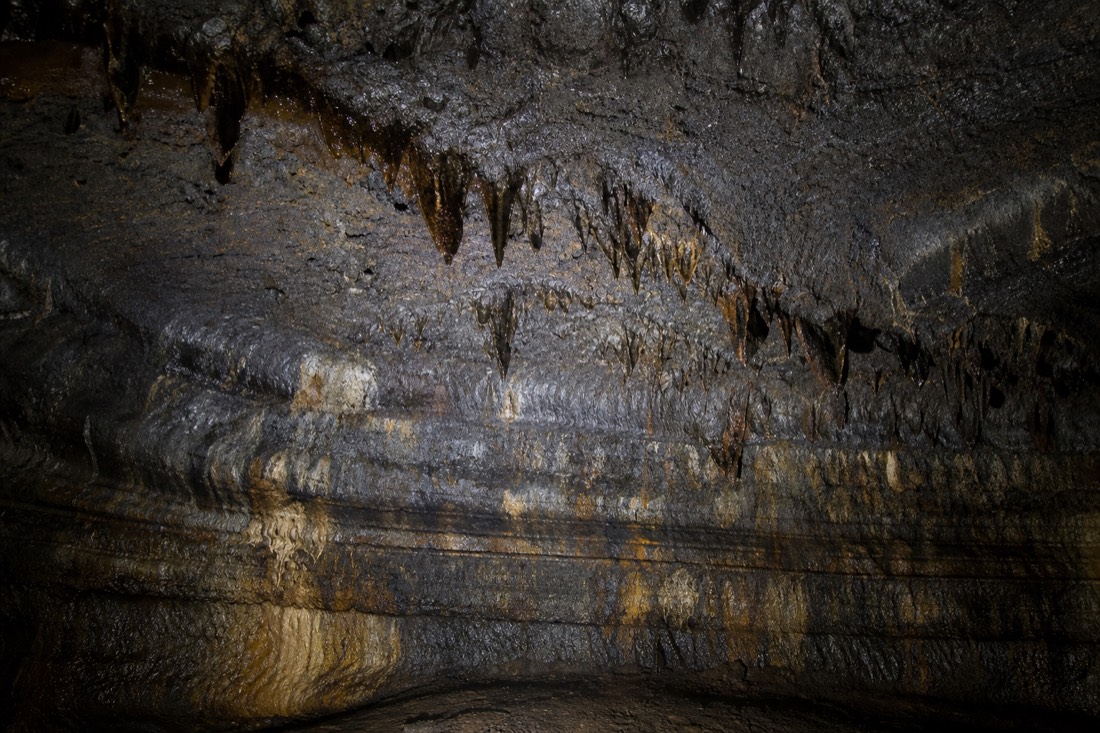
It is a section of the lava tube system that carried the 1881 Mauna Loa eruption toward Hilo, part of a tube network the site's own guides describe as running for miles beneath the city. You descend through a collapsed skylight into a tunnel with two separate openings, walls polished smooth where lava once flowed like a river, and roots hanging down from the ʻōhiʻa trees above.
The 1881 eruption is not a minor footnote here, it is the reason the cave exists. Three flows broke out from Mauna Loa in November 1880. Two moved fast and stalled within weeks. The third, slower and lower on the mountain, crept toward Hilo at a fraction of a mile a day and came within about a mile and a quarter of Hilo Bay before finally stopping, according to the USGS account of the 1880–81 eruption. Kaumana Cave was one of the tube segments that carried that flow. Standing inside it is standing inside the plumbing of the eruption that nearly reached the town above you.
| What's inside | Detail |
|---|---|
| Origin | 1881 Mauna Loa lava flow, part of the eruption that threatened Hilo |
| Entrance | A collapsed skylight reached by a concrete stairway |
| Layout | Two cave mouths, one on each side of the collapsed section |
| Surface | Smooth in places where lava flowed fastest, rough and rubbly elsewhere |
| Ceiling | Tall in the main chamber, low enough to duck in side sections |
| Light | None. Total darkness within about 50 feet of either entrance |
Neither side is fully mapped for casual visitors, and there is no marked trail once you are past the entrance chamber. Most people explore one direction for fifteen minutes to an hour, decide they have seen enough of the dark, and turn back the way they came rather than trying to push through to daylight on the far side.
What's the best time of day to visit?
Mid-morning, once the humidity has burned off a little but before afternoon rain, which is a regular feature on this side of the island. Weekday mornings also mean a quieter parking situation and fewer other groups on the stairway at the same time.
Rain doesn't actually stop the visit, the cave itself is underground and unaffected by a shower, but the stairway and entrance path get slick fast, and a slippery concrete step is a worse hazard here than almost anywhere else on this list. If the forecast is calling for rain, plan around it rather than through it. Since the interior is unlit either way, time of day makes no difference once you're actually inside the tube, it only affects the approach and the drive.
| Timing | Why |
|---|---|
| Weekday mornings | Quietest parking, easiest stairway access |
| After a dry stretch | Drier steps and entrance path |
| Avoid right after rain | The stairway and approach path get slick |
| Any time inside the tube | Makes no difference, it's unlit regardless of the hour |
What should you bring?
A real headlamp, ideally two per group in case one dies underground, closed-toe shoes with grip, long pants, and mosquito repellent applied before you get out of the car, not after. A phone flashlight is not an adequate substitute for a headlamp here.
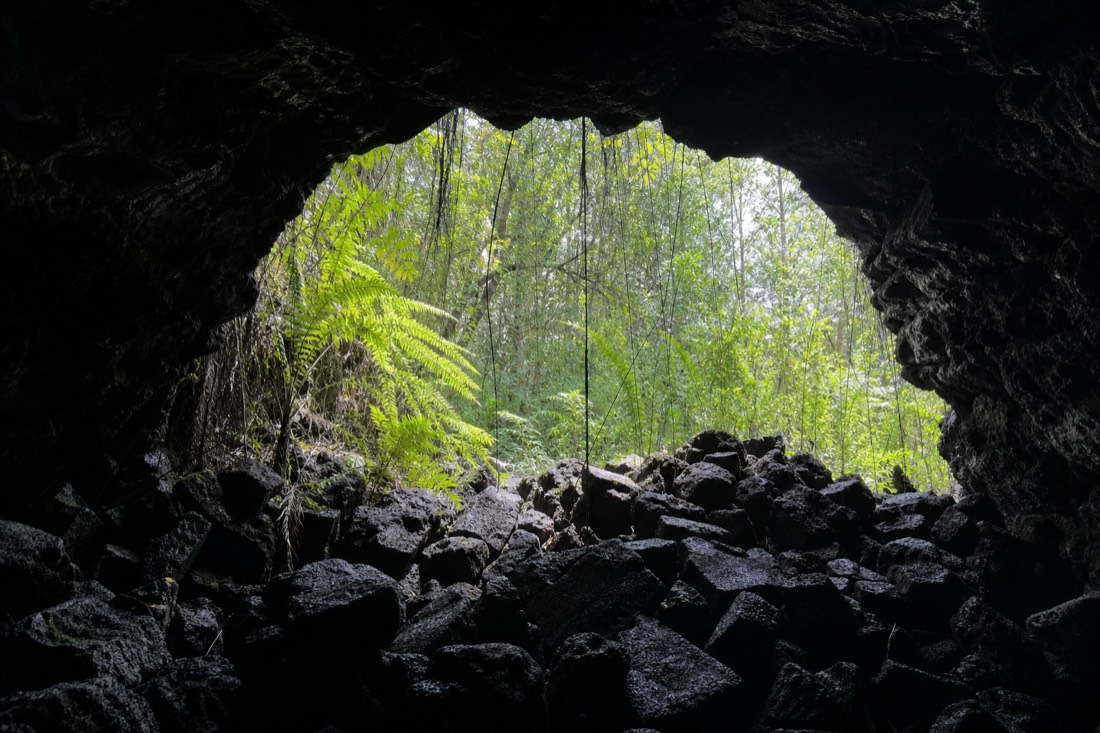
The mosquito advice is not a throwaway line. The fern-covered approach to the entrance is consistently reported as one of the buggier short walks on this side of the island, and the insects are worse in the shaded, damp air right at the cave mouth than anywhere else on the property. Spray before you start down the stairs.
| Item | Why it matters here |
|---|---|
| Headlamp (2 per group) | Hands-free light for an unlit tube; a backup matters more here than almost anywhere else on the island |
| Closed-toe shoes with grip | The floor is uneven lava rock, often wet near the entrance |
| Long pants | Protects knees and shins on the rougher, lower sections |
| Mosquito repellent | The entrance approach is genuinely buggy, especially in still, humid air |
| A charged phone | Cell service is unreliable underground but useful the moment you're back at the car |
How difficult is it, and how long does a visit take?
Most visitors spend fifteen minutes to an hour underground, depending on how far into the dark they are comfortable going. The stairway down is steep but short; the real difficulty is footing on the cave floor itself, which is uneven, occasionally wet, and unlit the entire way.
There is no official difficulty rating for a county park like this the way there is for a national park trail, so treat the honest description as: easy to reach, moderately demanding once you're inside. Nothing requires climbing gear or special fitness, but a twisted ankle in total darkness a hundred feet from the entrance is a genuinely bad outcome, which is the whole argument for good shoes and a real light.
| If this describes you | Honest verdict |
|---|---|
| Comfortable in the dark, decent footing | Straightforward. Bring two lights and go. |
| Mildly claustrophobic | The main chamber is tall and open; stick close to the entrance and you'll be fine. |
| Traveling with young kids | Doable with a firm grip on their hand and a light for each adult, not each child. |
| Using a stroller or have mobility limits | Not possible. The stairway rules this out entirely. |
| Only have a phone flashlight | Turn back or buy a headlamp first. It is genuinely not enough light down there. |
Is Kaumana Caves safe?
Reasonably, for a wild, unmanaged cave, but it carries real risks a developed attraction does not: no staff, no lighting, no cell signal underground, and a floor that punishes careless footing. Go with at least one other person and tell someone your plan.
There is no lifeguard-style oversight here the way there is at a beach park. Nobody is checking that you made it back to the surface. That is precisely the tradeoff for a free, unticketed lava tube: the responsibility for the visit sits entirely with you, not with an attraction operator. Most visits are completely uneventful. The ones that go wrong are almost always the same story, someone with a single weak light pushing further than the group was prepared for.
If an unlit, unstaffed cave is more risk than you want on this trip, the guided lava tube experiences inside Hawaii Volcanoes National Park, or a fully guided day from Hilo, are the better fit. Our volcano tours guide covers those options side by side.
Bring a way to communicate with anyone waiting above, and agree on a turnaround time before you go down rather than deciding it in the moment underground, when distances and time both get harder to judge. None of this is meant to talk you out of going, thousands of visitors do this safely every year, it's simply the honest list of what a developed attraction normally handles for you that this one does not.
How does Kaumana Caves compare to the lava tube at Kīlauea?
Kaumana is smaller, wilder and completely free; the lava tube inside Hawaii Volcanoes National Park (Nāhuku, formerly Thurston) is lit in its main section, paved, and included in the park's entrance fee. They are genuinely different experiences of the same kind of feature.
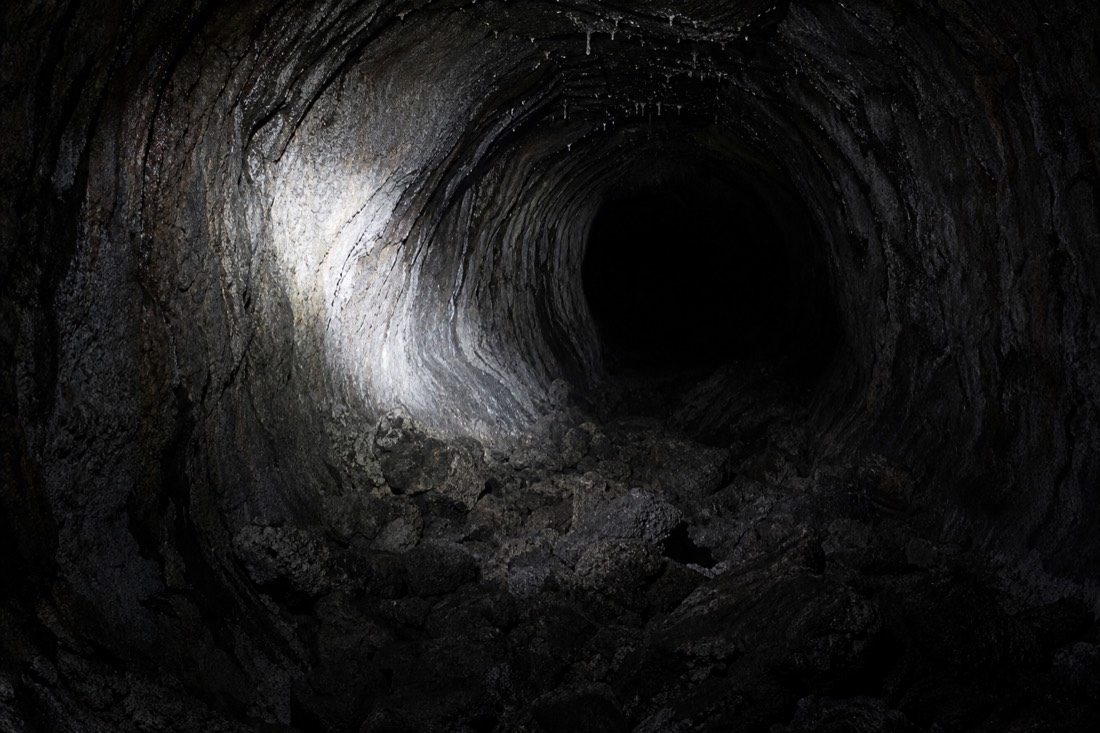
Pick Kaumana if you want the raw version: a headlamp, an unlit tunnel, and nobody else's schedule to follow. Pick the park's lava tube if you are already inside Hawaii Volcanoes National Park that day and want an easy, well-lit walk that pairs naturally with the summit overlooks. Plenty of visitors do both on the same trip since they take almost nothing away from each other. Our page on seeing Kīlauea without a tour covers the park side of that comparison in full.
| Kaumana Caves | Nāhuku lava tube, Volcanoes NP | |
|---|---|---|
| Cost | Free | Included in the $30 park entrance fee |
| Lighting | None, bring your own | Lit through the main developed section |
| Surface | Natural, uneven rock | Paved path through the main section |
| Distance from Hilo | 4 miles, about 10–15 minutes | About 30 miles, 45 minutes |
| Feel | Wild, self-directed exploration | Easy, accessible short walk |
What else can you pair it with?
Kaumana Caves works best as a short add-on rather than a destination in itself, thirty to sixty minutes total including the drive. Kaumana lies uphill from Hilo on Kaumana Drive. The direct route to the national park uses Highway 11, so allow a separate detour rather than assuming the cave is on the way.
Because it needs so little time, it pairs naturally with almost anything else on the east side of the island. Combine it with the Kīlauea Iki hiking guide for a two-lava-tube, one-crater kind of day, or fold it into a broader itinerary using our Hilo orientation guide . Kaumana is explicitly listed in the cave-and-Puna coast excursion and the Maunakea Stellar Explorer. It is not established as a stop on the standard Hilo day tour or private east-side listing.
What do people get wrong about Kaumana Caves before they visit?
Mostly scale. First-time visitors expect either a tiny roadside curiosity or a fully developed cave system, and it's neither. It's a genuine multi-hundred-foot lava tube with real depth to explore, sitting in a modest county park with none of the signage that would tell you that from the road.
The other common surprise is temperature and air. Hawaii Island at sea level runs warm and humid; the inside of the tube is noticeably cooler and drier, closer to a wine cellar than a tropical cave. Bring a light layer if you tend to run cold, it's a small detail nobody mentions until they're standing in the entrance chamber wishing they had one.
The name itself comes from the surrounding district of Kaumana, one of the residential neighborhoods that grew up along the upper slopes of Hilo as the town expanded inland. The cave predates the neighborhood by decades: the lava came through in 1881, and the streets and houses were built around the tube system afterward, which is part of why the entrance today sits so unassumingly between driveways rather than inside a dedicated nature reserve.
Cell signal is patchy to nonexistent both at the park and underground, worth knowing if you're used to pulling up directions at the last minute. Download or screenshot directions before you leave downtown Hilo, and let someone outside your group know roughly when you expect to be back on the surface, a habit worth carrying into any unstaffed natural site on this island, not just this one.
None of this is meant to make a fifteen-minute stop sound like an expedition. Most visits are genuinely uneventful, quick, memorable, and over before the rest of a day's plans even notice the time spent. The preparation above is simply what closes the gap between a free, unstaffed lava tube and a staffed attraction, and it's a small amount of effort for what you get to see once you're standing inside it.
If you leave with one takeaway from this page, make it this: the barrier to visiting Kaumana Caves has never been access, it's genuinely free and open every day. The barrier is preparation, a light source, decent footwear and a plan, and once that's sorted the rest of the visit takes care of itself.