Things to Do in Hilo: A First-Timer's Guide to the Town
Most visitors treat Hilo as a launching pad for the volcano and skip the town itself, which misses a genuinely walkable, low-key half-day that costs almost nothing.
At a glance: a half-day in town
A realistic time budget for the bayfront-and-downtown loop, not counting the drive to the volcano, waterfalls or Mauna Kea.
What are the best things to do in Hilo?
Hilo's own draws sit inside a half-mile bayfront radius: the farmers market, the historic downtown, Liliʻuokalani Gardens, Coconut Island, and a couple of genuinely good small museums. The volcano, the waterfalls and the wider nature tours are separate day trips, not part of the town itself.
That distinction matters for planning. A lot of "things to do in Hilo" content blurs the town together with Hawaii Volcanoes National Park, which is 45 minutes away, or with 'Akaka Falls, which is a separate drive up the Hamakua Coast. This guide covers what is actually in Hilo: walkable, mostly free, and easy to underestimate. For the bigger day trips, we cover each properly in its own guide, linked further down.
Part of why the town gets overlooked is simple geography: most visitors either fly into Kona and treat Hilo as a one-day crossing, or arrive by cruise ship for a matter of hours, neither of which leaves much room for a leisurely town day. That is a real constraint, not a mistake on the visitor's part, but it does mean Hilo's own character, wetter, greener, and noticeably less built up for tourism than the Kona side, rarely gets the attention it would if visitors had a full extra day to spend in town rather than passing through on the way to somewhere else.
How much time do you need?
A half-day, roughly four to five hours, covers the bayfront loop comfortably: market, downtown, gardens, and Coconut Island. Add a museum stop and you are looking at a full day in town before ever leaving for the volcano or the coast.
| Time available | What fits |
|---|---|
| 2 hours | Farmers market + a walk through downtown |
| Half day (4–5 hrs) | Market, downtown, Liliʻuokalani Gardens, Coconut Island |
| Full day | All of the above plus a museum and a relaxed lunch |
| Multi-day base | Town on day one, volcano and waterfalls on separate days |
What's downtown Hilo like?
Downtown is a compact grid of plantation-era storefronts along Kamehameha Avenue, largely low-rise, walkable, and unhurried compared with the resort strips elsewhere on the island. It is the town's real character, not a manufactured "historic district."
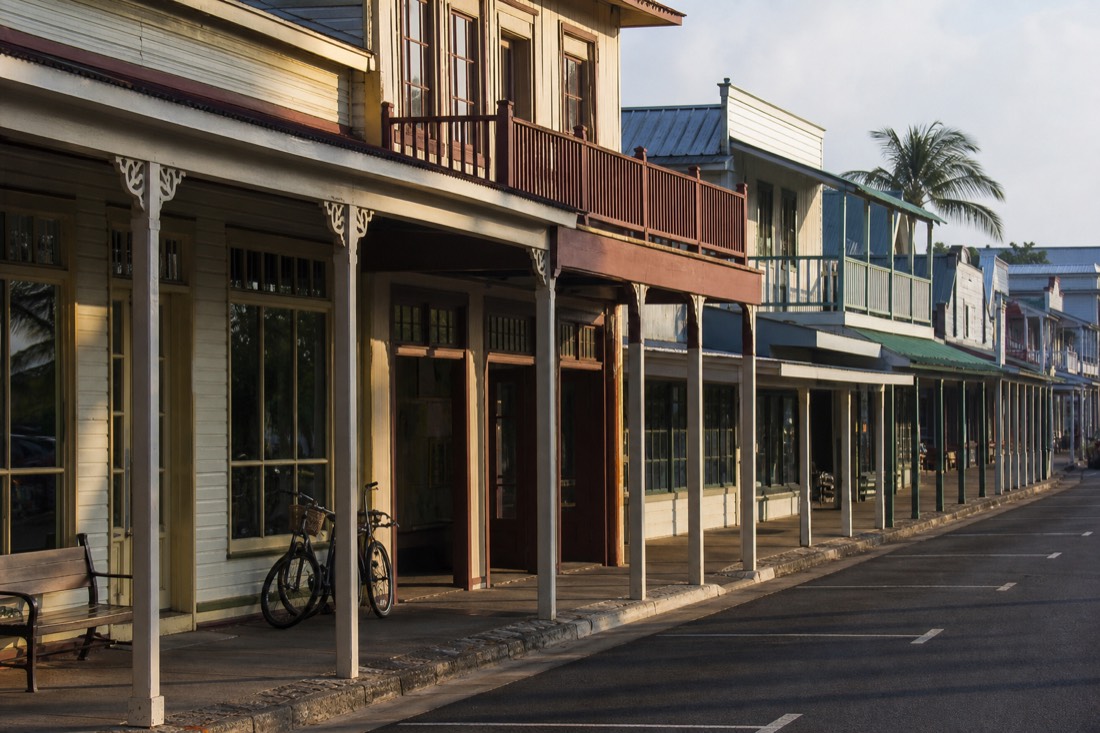
The architecture survives from Hilo's sugar-plantation era, and much of it has been repurposed into local shops, galleries and restaurants rather than chain retail. Banyan Drive, a short walk east along the bayfront, is lined with large banyan trees planted by visiting celebrities in the early 20th century, Babe Ruth and Amelia Earhart among them, and makes a pleasant shaded stretch to walk even without a specific destination in mind.
Is Hilo walkable without a rental car?
The town's core attractions sit inside roughly a half-mile radius along the bayfront, genuinely walkable from most in-town hotels. The exception is the cruise pier, which is close in distance but runs along an unsheltered industrial road that is a poor walk in Hawaii heat or rain.
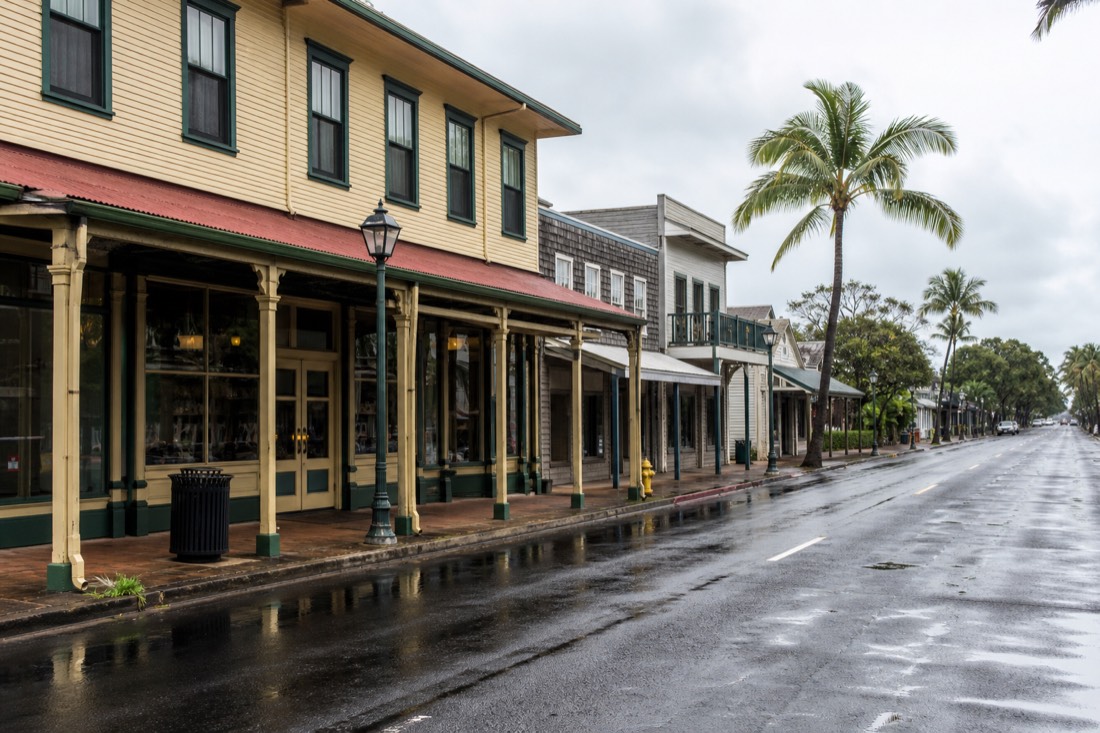
If you are staying at one of the Banyan Drive hotels or somewhere else within downtown, a car adds very little to a town day; parking downtown is limited enough on market days that walking is often the faster option anyway. Cruise passengers are the main exception: a short taxi or rideshare from the pier into town is worth the small cost, after which the rest of the day is walkable on foot. Once you are ready to leave town for the volcano, the waterfalls, or Mauna Kea, a rental car or a guided tour becomes necessary, since none of those destinations are realistically walkable.
| Route | Distance | Walkable? |
|---|---|---|
| Banyan Drive hotels → downtown/market | ~1 mile | Yes, comfortably |
| Cruise pier → downtown | ~2 miles | Technically, but not recommended (unsheltered industrial road) |
| Downtown → Liliʻuokalani Gardens → Coconut Island | ~0.5 miles | Yes, flat and shaded in parts |
| Downtown → Hawaii Volcanoes National Park | ~30 miles | No, car or tour required |
When should you go to the farmers market?
Wednesday and Saturday are the market's two big days, with 150 to 200-plus vendors, compared with a smaller 30 to 80-vendor showing the rest of the week. It sits right at the edge of downtown, an easy first stop before the rest of a town day.
The market deserves more than a passing mention here, so we cover it in full, including hours, what's actually for sale, and how to time a visit around cruise ship crowds, in our Hilo Farmers Market guide.
What about the volcano, waterfalls, and nature side?
Hawaii Volcanoes National Park, the Hamakua Coast waterfalls, and the island's wider nature circuit are real highlights but sit outside Hilo proper, each deserving its own planning rather than a rushed add-on to a town day.
Hawaii Volcanoes National Park is about 45 minutes south of Hilo and genuinely needs the better part of a day to see properly: craters, steam vents, lava tubes and the Chain of Craters Road. Our best volcano tours guide covers how to plan that day, guided or independent.
'Akaka Falls and Rainbow Falls, along with the rest of the Hamakua Coast waterfalls, sit north and inland of town and reward a slower, dedicated visit rather than a five-minute photo stop squeezed between other plans. Our waterfalls near Hilo guide breaks down which falls are worth the drive and which are closer detours.
Beyond the volcano and the falls, the island's broader nature scene, from native bird habitat to marine life at Richardson Ocean Park, is covered in our best nature tours guide, which is the better starting point if wildlife and hiking matter more to your trip than downtown's built environment.
What museums and cultural stops are worth it?
Hilo punches above its size on small museums: the Pacific Tsunami Museum tells the real, sobering history of the 1946 and 1960 tsunamis that reshaped the town, and the 'Imiloa Astronomy Center pairs Native Hawaiian culture with Maunakea's astronomy in a way that is genuinely engaging rather than a dry science stop.
The Pacific Tsunami Museum sits in a former bank building downtown and covers Hilo's two devastating 20th-century tsunamis through photographs, survivor accounts and a working wave demonstration, sobering material handled with care rather than spectacle. 'Imiloa, a short drive from downtown, blends a planetarium with exhibits on Hawaiian wayfinding and the astronomy conducted atop Maunakea, and works well for a broad range of ages. Both charge admission, unlike almost everything else on this list.
The reason both museums matter more here than a typical "small town museum" caveat suggests is that they explain why Hilo looks the way it does. The tsunami museum, in particular, answers a question most visitors do not think to ask: why the bayfront is mostly open parkland rather than dense waterfront development. The 1946 and 1960 tsunamis destroyed the buildings that used to stand there, and the town deliberately chose not to rebuild along that stretch, which is part of why the walk from the market to the gardens feels so open today. 'Imiloa does something similar for the mountain: it connects Maunakea's astronomy to the Hawaiian navigational tradition that first brought people to these islands, context that makes a later trip up the mountain feel less like a random detour.
| Stop | What it covers | Good for |
|---|---|---|
| Pacific Tsunami Museum | 1946 and 1960 tsunami history, survivor accounts | Ages 8+, history-minded visitors |
| 'Imiloa Astronomy Center | Native Hawaiian culture + Maunakea astronomy, planetarium | Families, most ages |
| Lyman Museum | Natural and cultural history of the island | A quieter, slower-paced stop |
What about Liliʻuokalani Gardens and Coconut Island?
Liliʻuokalani Gardens is a free, flat, formal Japanese-style garden on the bayfront, complete with koi ponds and a red footbridge. That same footbridge continues to Coconut Island (Mokuola), a small island in Hilo Bay with a traditional healing history and genuinely calm swimming.
The garden is one of the largest formal Japanese-style gardens outside Japan and costs nothing to walk through, a strong contrast to how much resort landscaping elsewhere on the islands charges for a similar setting. Coconut Island beyond it is not a beach in the conventional sense; it is a small grassy island with a dock, a modest patch of sand, and calm, bay-sheltered water that suits young children far better than the open coast does. Locals still jump from the small dock, a low-key tradition worth watching even if you skip it yourself.
The island's Hawaiian name, Mokuola, means "healing island," and it was traditionally regarded as a place of restoration, connected to the belief that swimming around it could bring recovery from illness. That history is easy to miss walking across the short footbridge today, but it is part of why the spot has kept its low-key, unhurried character rather than being redeveloped into something busier. The whole garden-and-island stretch is shaded enough to make a genuinely comfortable stop even in the middle of a warm afternoon, which is not true of most of the rest of downtown.
What do the sister guides on this site cover?
This page is the orientation. For real depth on any single topic, three dedicated guides cover the volcano, the waterfalls, and the wider nature circuit, while this guide stays focused on what those three do not: the market, downtown, and the town's own culture.
| Guide | What it covers |
|---|---|
| Best volcano tours | Planning a Hawaii Volcanoes National Park day, guided or independent |
| Best waterfalls near Hilo | 'Akaka Falls, Rainbow Falls, and the rest of the Hamakua Coast waterfalls |
| Best nature tours | Botanical gardens, marine life, native bird habitat, and the wider nature circuit |
| Hilo Farmers Market guide | Vendor days, what's for sale, prices, and how to time a visit |
| Punaluʻu Black Sand Beach guide | The geology, the turtles, and how it pairs with a volcano day |
Where do first-timers go wrong?
The most common mistakes are treating Hilo as a pure volcano stopover, hitting the farmers market on the wrong day without checking, and underestimating how much the bayfront town itself offers on its own terms.
The volcano-stopover mistake is the most consequential, because it tends to compress an already tight schedule further: visitors budget one day for "Hilo and the volcano," drive straight to the park, and leave with no real sense of the town at all. The market-day mistake is smaller but avoidable, and purely a matter of checking a calendar before building a morning around it. The last mistake, underestimating the town, is more about expectations than logistics: Hilo does not market itself as aggressively as the resort side of the island, so visitors sometimes assume there is less here than there actually is.
| Mistake | Better approach |
|---|---|
| Skipping town entirely for the volcano | Give the bayfront half a day; it is genuinely worthwhile on its own |
| Visiting the market on a low-vendor weekday without checking | Check the day of week; Wednesday and Saturday are the full market |
| Trying to walk from the cruise pier to downtown | Take a short taxi; the direct route is unsheltered and unpleasant |
| Not budgeting drive time separately for the volcano/falls/Mauna Kea | Treat town day and day-trip destinations as separate plans |
A sample first day in Hilo
Start at the farmers market while the produce is freshest, walk downtown and along Banyan Drive, spend the late morning at the gardens and Coconut Island, then use the afternoon for a museum or a slower lunch before deciding on a volcano or waterfall day for tomorrow.
| Time | Stop |
|---|---|
| 7:30–8:30am | Hilo Farmers Market |
| 8:30–9:15am | Downtown Kamehameha Avenue & Banyan Drive |
| 9:15–10:00am | Liliʻuokalani Gardens |
| 10:00–10:30am | Coconut Island (Mokuola) |
| 11:15am–12:15pm | Lunch in town |
| 12:15–1:15pm | Pacific Tsunami Museum or 'Imiloa Astronomy Center |
If a guided option appeals more than piecing the day together yourself, several Hilo-based operators fold the town's highlights into a broader itinerary alongside the volcano or the coast; the Hilo day tour of volcanoes, waterfalls and black sand beaches is a reasonable starting point.