Can You Visit Kīlauea Volcano Without a Tour?
Nothing about Kīlauea is gated behind a tour operator. The park sells you a ticket at the entrance station and the rest is a road, a few overlooks and your own judgment about weather and daylight.
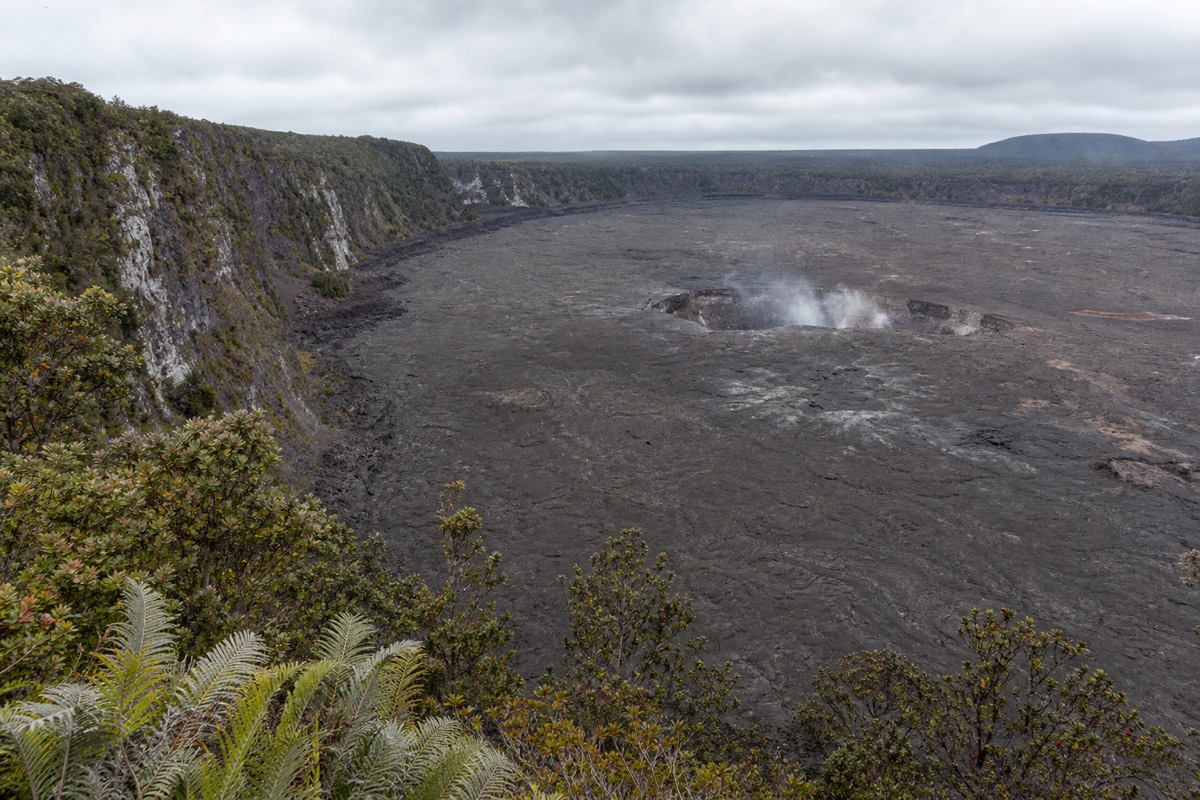
Can you visit Kīlauea volcano without a tour?
Yes. Hawaii Volcanoes National Park is a self-drive national park with a staffed entrance station, marked overlooks and paved roads. You pay a vehicle entrance fee, drive in, and look at the caldera on your own schedule. No guide, permit or advance booking is required to see Kīlauea.
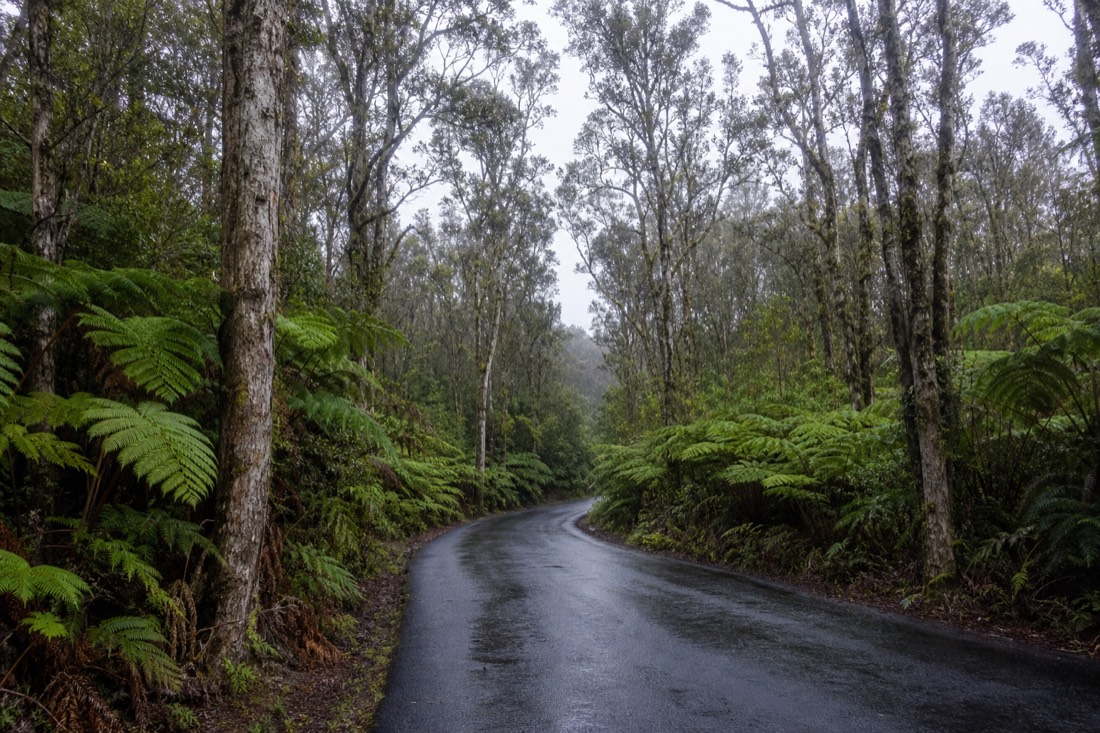
This trips people up because the volcano gets discussed like an expedition. It is not. The summit of Kīlauea sits beside a road, and the main overlooks are short flat walks from parking lots. Plenty of visitors arrive from Hilo in a standard rental car, spend three hours, and leave having seen everything they came for.
What a tour buys you is not access. It buys driving, timing decisions, and someone who can explain what you are looking at. Whether that is worth paying for depends entirely on your situation, and the last section of this page works through the cases where it genuinely is.
Can you drive up to Kīlauea volcano?
You can. The National Park Service gives the drive from Hilo as 30 miles southwest on Highway 11, about 45 minutes. From Kailua-Kona it is 95 miles and two to two and a half hours. The road is ordinary paved highway the whole way, and no four-wheel drive is needed anywhere in the summit area.
The Hilo side is the shorter approach by a wide margin, which is the practical reason so many volcano itineraries start there rather than on the resort coast. Highway 11 climbs steadily out of town through farmland and forest, and by the time you reach the park entrance you are around 4,000 feet up, which is why it is usually ten to fifteen degrees cooler than the beach you left.
Entrance fees are published on the park's own fee page and are worth checking before you go rather than guessing. As of this writing the private vehicle pass is $30, covering the driver and up to fourteen passengers; a motorcycle is $25; an individual on foot or bicycle is $15 and children fifteen and under are free. An annual pass covering three Hawaii parks is $55. One detail catches people out at the gate: the park does not accept cash. Bring a card.
| What you are paying for | Cost | Notes |
|---|---|---|
| Private vehicle entrance | $30 | Driver plus up to 14 passengers, card only |
| Motorcycle | $25 | Admits up to 2 motorcycles |
| Per person on foot or bicycle | $15 | Free for ages 15 and under |
| Annual tri-park pass | $55 | 12 months from the month of purchase |
| Fuel, Hilo return | Roughly a 60-mile round trip | No fuel inside the park |
The park itself is open 24 hours a day, seven days a week, holidays included. That matters more than it sounds, because the caldera looks completely different after dark and the gate is not going to close on you.
How do you see the current Kīlauea eruption?
By checking a live source on the morning you go, not by reading anyone's article. Kīlauea's activity changes on a scale of days, and any page that states a status in its own words is out of date the moment the volcano moves. Use the USGS Hawaiian Volcano Observatory's Kīlauea page and the park's current conditions page.
We are deliberately not printing an eruption status here. This site has already had to correct a frozen forecast once, and a stale claim about lava is worse than no claim at all, because it sends someone on a two-hour round trip for something that stopped weeks ago. The two links you actually want are the USGS Kīlauea status page, which carries the daily update and the webcams, and the park's live conditions page, which tells you which roads, trails and overlooks are open on the day you are driving.
The park's own eruption-viewing guidance names the summit-area viewpoints it directs people to when there is something to see: Uēkahuna, Kīlauea Overlook at Kūkamāhuākea near the steam vents, Kūpinaʻi Pali, and Keanakākoʻi. It also gives one piece of advice that visitors consistently ignore until it costs them a morning: parking lots can be full by 10am. Arrive earlier than feels necessary.
| Question you actually have | Where to check it |
|---|---|
| Is anything erupting right now? | USGS Hawaiian Volcano Observatory daily update and webcams |
| Which overlooks and roads are open today? | The park's current conditions page |
| Is the air quality bad today? | USGS volcanic gas advisories and the park's own alerts |
| Will there be a glow after dark? | The webcams, in the hour before you decide to drive |
Can you still see lava at Kīlauea?
Sometimes, and only when the volcano is cooperating. Kīlauea alternates between active episodes and long pauses. When it is active the glow from the summit is visible after dark from public overlooks; when it is paused there is steam, a vast caldera and no molten rock at all.
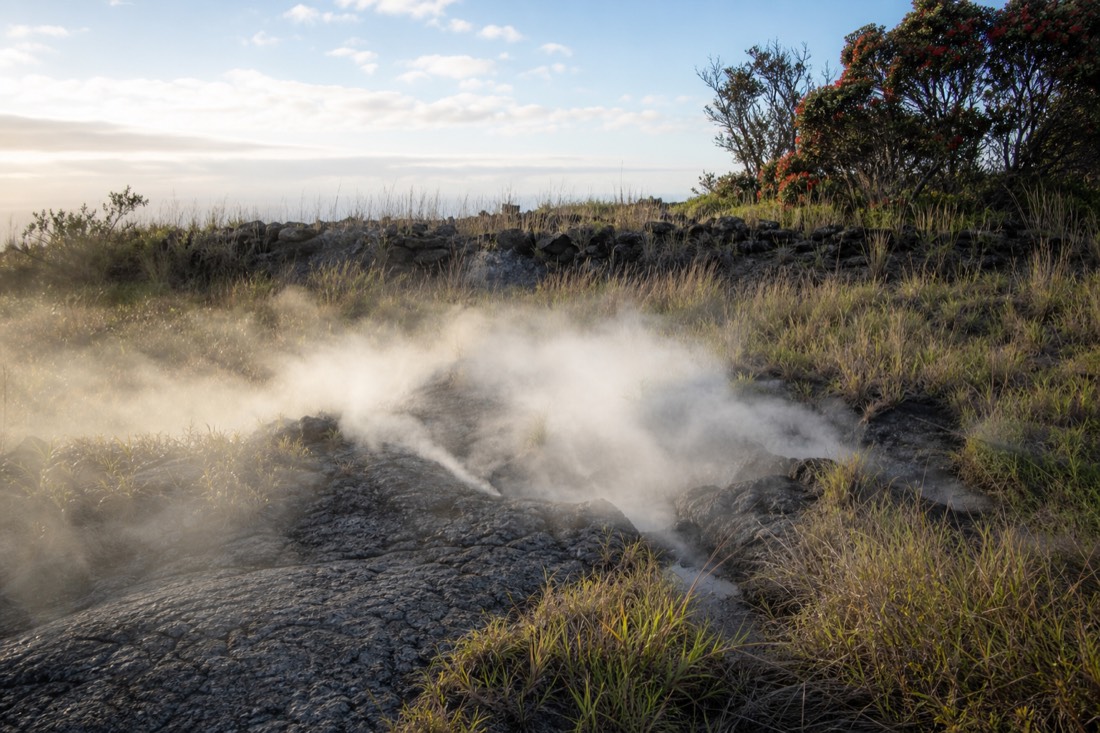
Both states are worth the drive, which is the part most people do not expect. A paused Kīlauea still gives you a caldera several miles across with a collapsed pit at its heart, steam venting through cracks in the ground, and a scale that photographs badly and lands hard in person. What it does not give you is orange.
If seeing molten lava is the entire point of your trip, treat it as a lottery rather than an itinerary item, and check the webcams the same evening rather than booking around it weeks ahead. Night is when a glow shows up, so bring a headlamp: the park recommends one for anyone visiting after dark, and the overlook paths are unlit.
What does a self-drive day at Kīlauea actually look like?
Roughly six hours door to door from Hilo: 45 minutes each way on the highway, then three to four hours inside the park covering the summit overlooks, one short walk and either the lava tube or the drive down toward the coast.
The summit road, Crater Rim Drive, runs about 5.6 miles one way and takes around 20 minutes without stopping. Chain of Craters Road drops from the summit toward the sea over about 18.7 miles, another 30 minutes each way with no stops, and there is no food, water or fuel anywhere along it. Doing both properly is a full day, not an afternoon.
| Time | What you are doing | Why |
|---|---|---|
| 7:15am | Leave Hilo on Highway 11 | Beat the 10am parking crunch |
| 8:00am | Entrance station, then the summit overlooks | Clearest air, thinnest crowds |
| 9:30am | One short walk: steam vents or the lava tube | Gets you out of the car early |
| 11:00am | Chain of Craters Road down toward the coast | Different landscape entirely, sea arch at the end |
| 2:00pm | Back up to the summit, second look | Light and cloud will have changed |
| 4:00pm | Drive back to Hilo, or stay for dusk | Staying only pays off if the webcams show a glow |
If you want the longer version of this, with the trails broken out properly, our Kīlauea Iki hiking guide covers the crater-floor loop, Devastation Trail and the drive to the coast in detail.
When does a guide actually earn its price?
In five specific situations: you have no rental car, you are off a cruise ship with a hard sailing time, you get exactly one shot at the volcano, you would rather not drive an unfamiliar mountain road in the dark, or you want the geology and the Hawaiian history explained rather than guessed at.
Outside those cases, self-driving is genuinely the better call, and we would rather say so than pretend otherwise. The park is set up for independent visitors and the fee is modest next to any tour price.
Where guided days change the maths is the cruise-passenger problem. A ship in Hilo gives you a fixed window, and a rental car counter plus an unfamiliar highway plus a hard all-aboard time is a genuinely stressful combination; our Hilo cruise day guide works through that timing in full. Operators running the volcano daily know how long the entrance queue is on a Tuesday and where to stop when the main lot is full.
| Self-drive | Guided day tour | |
|---|---|---|
| Cost for two people | $30 entrance plus fuel | Typically a few hundred dollars total, check the live listing |
| Vehicle needed | Any rental car | None |
| Pace | Entirely yours | Set by the itinerary |
| Interpretation | Signs, app, your own reading | A guide answering questions in real time |
| Night driving | Your responsibility | Handled |
| Fixed return time | None | Built in, which is the point on a cruise day |
The site's volcano products split along those lines. A shared full-day run such as the full-day volcano tour from Hilo or the Native Hawaiian-guided Hilo day tour combining volcanoes, waterfalls and black sand beaches handles the driving and the narration for a group. A private Volcanoes National Park full-day tour or the private east side custom tour buys back the pace you gave up. For hikers, the Hilo elite volcano hike goes deeper on foot than most bus itineraries manage, and if you would rather see the caldera from above, the helicopter flights from Hilo are compared separately. Our wider volcano tours guide lines all of them up side by side.
What should you know before you drive up?
Three things: the visitor center is under renovation, the weather at 4,000 feet is not Hilo's weather, and volcanic gas is a real hazard rather than a formality.
The Kīlauea Visitor Center, its restrooms and about half its parking have been closed for a renovation running into late 2026, with a temporary welcome center operating at Kilauea Military Camp instead. That is the honest answer to the question people keep asking about why the visitor center is closed, and it is documented on the park's construction closures page. The old Jaggar Museum is gone permanently; its services are being folded into the renovated visitor center.
Bring a rain shell and a warm layer regardless of the forecast on the coast. Summit weather turns fast and the wind on an exposed crater rim makes 65 degrees feel a lot colder than it reads. The park's eruption-viewing guidance also asks visitors to protect themselves from airborne volcanic material with eye protection, long sleeves and long trousers, and warns about loose cliff edges and ground cracks. People with heart or respiratory conditions, pregnant women and small children are the ones most affected by volcanic gas, so check the advisories rather than assuming a clear-looking day is a clear-air day.